Wildfires Rage Across US and Europe, Rekindling Old and New Blazes
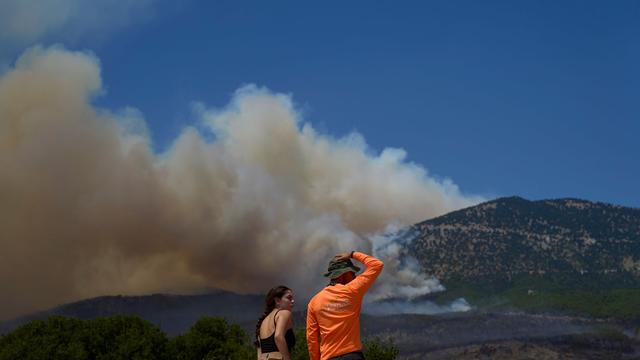
Wildfires are currently burning across both the United States and Europe, with some blazes being new incidents while others are reignitions of previously extinguished fires. The situation highlights the persistent and escalating threat of wildfires in various regions globally. In the United States, specific details on the locations and scale of these fires are not provided, but their presence indicates ongoing challenges with fire management. Similarly, across Europe, multiple wildfire events are occurring, underscoring a widespread vulnerability to these natural disasters. The recurrence of old fires suggests that underlying conditions, such as dry vegetation and high temperatures, may not have been adequately addressed or have returned with renewed intensity. This dual occurrence of new and rekindled fires poses a significant challenge for firefighting efforts, requiring continuous resource allocation and strategic planning. The overall trend points to a complex and dynamic fire season across continents.
The resurgence of wildfires in both the US and Europe, encompassing both new ignitions and the rekindling of old blazes, underscores a critical global challenge. This phenomenon is likely driven by interconnected factors including climate change-induced temperature increases, prolonged drought conditions, and potentially inadequate land management practices. The persistence of these fires, even after initial suppression, suggests that underlying environmental conditions are creating highly flammable landscapes that are difficult to fully secure. Future wildfire management strategies will need to integrate advanced climate modeling, proactive vegetation control, and potentially innovative suppression technologies to mitigate risks. The economic and ecological costs associated with these recurring events necessitate a long-term, systemic approach to resilience and adaptation.
AI-generated to prompt reflection — not editorial opinion, not advice, not a statement of fact. How this works.
