Wildfires Rage in Serra, Brazil: Vegetation Blaze Threatens Homes, Man Arson's Own Car
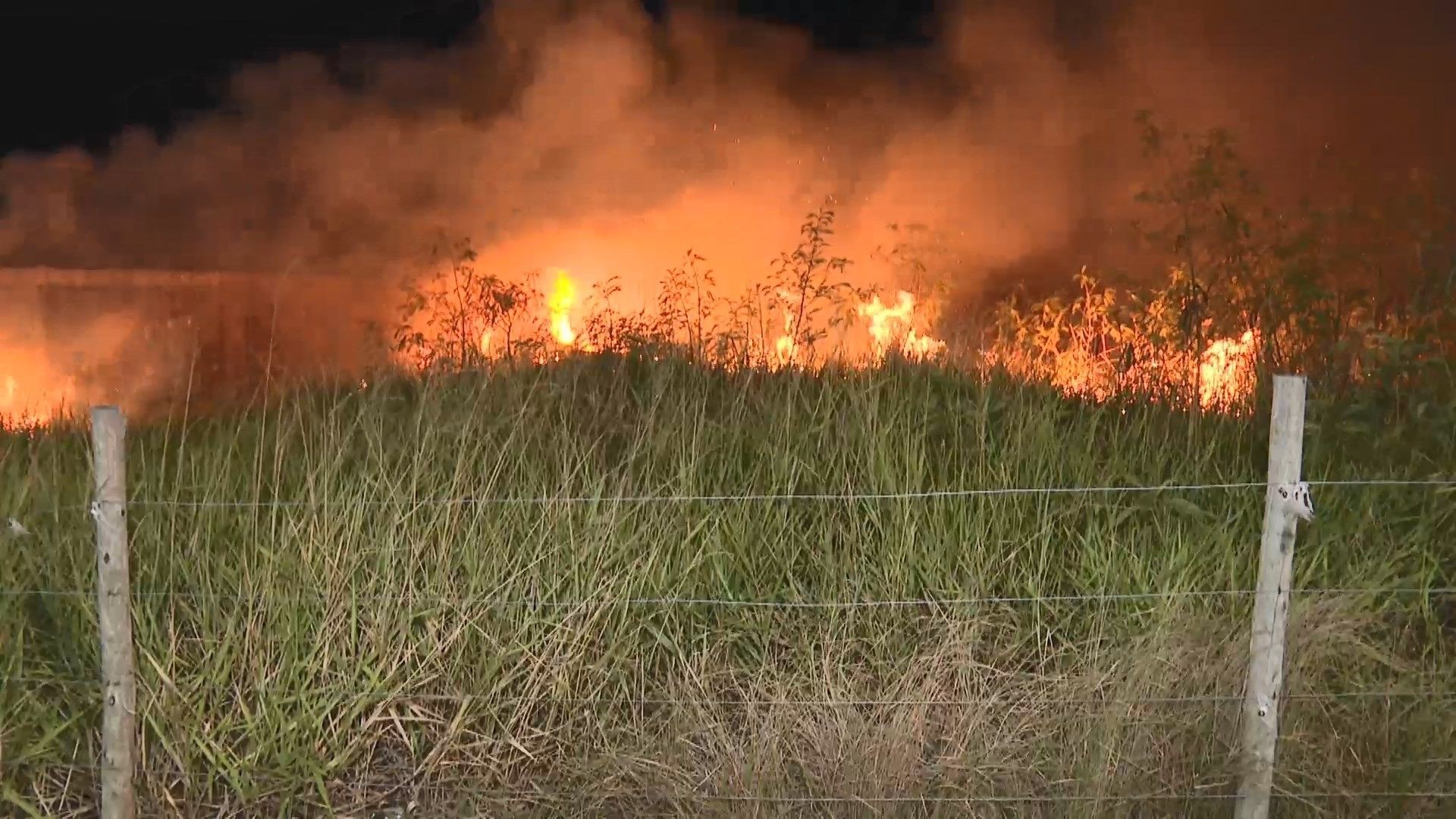
A significant wildfire erupted in a vegetated area near homes in Praia da Baleia, Serra, Brazil, on Thursday, October 23rd, causing alarm among residents. The flames, visible from various parts of the neighborhood, spread rapidly, damaging internet infrastructure due to affected power lines. The local fire department responded to at least two other fires in the Serra municipality that same afternoon: one in a building in Planalto Serrano and another involving a commercial warehouse in Mata da Serra. Witnesses described the Praia da Baleia fire as intense, generating substantial smoke and soot, impacting local businesses and causing concern for wildlife. A resident criticized the fire department's response time, stating the fire began around 3 PM but significant firefighting efforts only commenced after 7 PM, allowing it to spread extensively. The fire department deployed three trucks and multiple teams, eventually extinguishing the blaze, which they reported posed no immediate threat to structures. In a separate incident in Mata da Serra, a 37-year-old man reportedly set his own vehicle on fire inside a commercial warehouse. He initially claimed marital infidelity as the motive but later stated it was an accident involving gasoline for a chainsaw. He refused medical attention and was taken to the police station for further investigation by civil police, with no immediate charges filed. Firefighters also continued work on a previous fire at a judicial court warehouse on Tuesday, October 21st.
This series of incidents highlights potential systemic issues in urban-environment interface management and emergency response. The vegetation fire's proximity to residential areas and its impact on essential services like internet connectivity underscore the need for proactive fire prevention strategies and robust infrastructure protection. The reported delay in the fire department's response, if accurate, warrants an examination of resource allocation and operational protocols to ensure timely intervention, especially during periods of high fire risk. The separate incident of arson within a commercial space, regardless of the stated motive, points to the broader societal challenges that can manifest in destructive behavior. Understanding the underlying factors, whether personal distress or accidental negligence, is crucial for developing targeted support and prevention programs. Future preparedness should consider the increasing frequency of such events due to climate shifts and urban expansion, necessitating integrated approaches involving community awareness, land-use planning, and efficient emergency services.
AI-generated to prompt reflection — not editorial opinion, not advice, not a statement of fact. How this works.