Wildlife Corridors: Reconnecting Fragmented Habitats Beyond Water
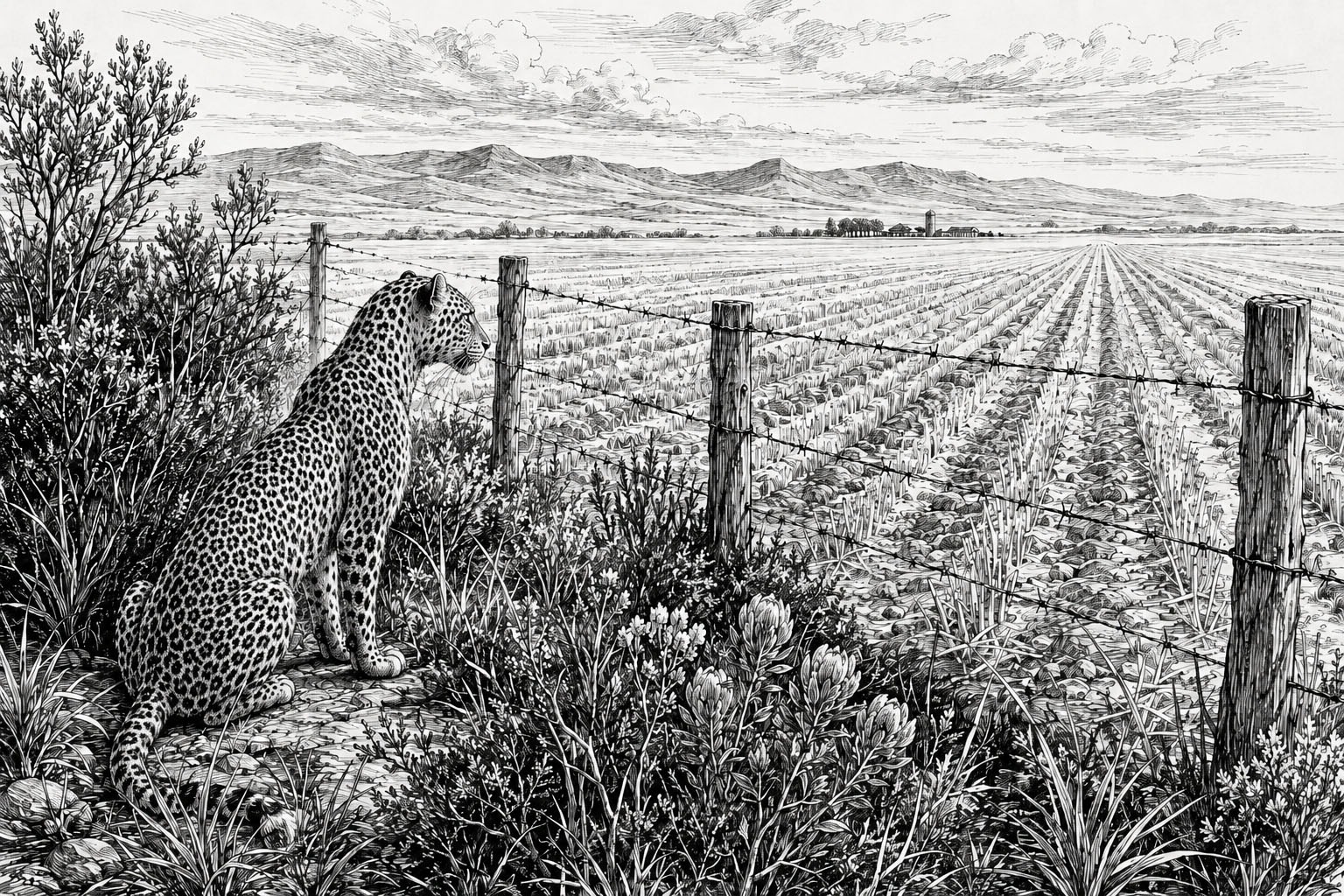
Many wildlife habitats are effectively islands, not defined by water but by human-made barriers such as agricultural fields, roads, fences, and urban developments. For the animals confined within these isolated areas, maintaining a connection to other habitats is crucial for their survival. This concept highlights the need for strategic planning to create and preserve wildlife corridors that can bridge these fragmented landscapes. These corridors act as vital links, allowing animals to move between isolated patches of natural environment. Without such connections, populations can become genetically isolated, leading to reduced biodiversity and increased vulnerability to local extinction. The initiative emphasizes transforming human-dominated landscapes into a network that supports both human needs and ecological integrity. The goal is to ensure that even in areas heavily impacted by human activity, wildlife can still find safe passage and maintain viable populations.
The concept of 'islands' in wildlife habitats, defined by human infrastructure rather than water, underscores a critical challenge in modern conservation. As urban sprawl and agricultural expansion continue, natural landscapes become increasingly fragmented, isolating animal populations and threatening biodiversity. The development of wildlife corridors addresses this by creating artificial connections, aiming to mitigate the negative impacts of habitat fragmentation. This approach reflects an evolving understanding of ecological systems, recognizing that connectivity is as vital as the size and quality of individual habitat patches. Future planning must integrate these ecological needs into land-use strategies, balancing human development with the imperative to maintain functional ecosystems. The long-term success of such initiatives will depend on sustained political will, funding, and community engagement to overcome the economic and logistical hurdles of establishing and maintaining these vital links.
AI-generated to prompt reflection — not editorial opinion, not advice, not a statement of fact. How this works.