Wildlife Crime Dominates Environmental Offenses in Baixada Santista, Brazil
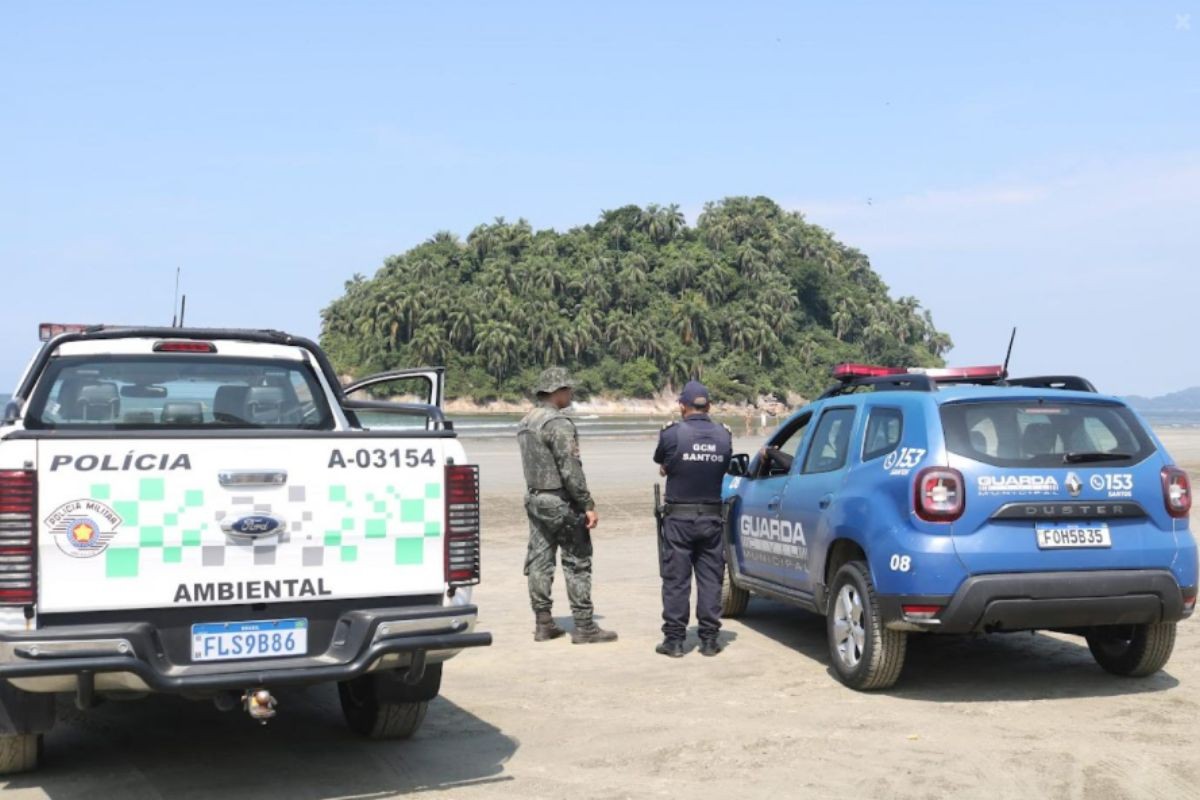
The Environmental Military Police in Brazil's Baixada Santista region have recorded 1,173 environmental infractions in the partial 2026 report, with crimes against wildlife being the most prevalent. Specifically, maintaining wild animals without authorization accounted for 666 occurrences, nearly 56.8% of the total. Despite this high number, the overall trend shows a decrease in environmental offenses, with recorded cases dropping from 3,405 in 2024 to 3,125 in 2025. This suggests a continued decline in the total volume of infractions.
However, the nature of these offenses remains consistent. Beyond unauthorized wildlife possession, other significant infractions include fishing in prohibited areas or seasons, with 166 cases, and fishing with irregular equipment or exceeding quantity limits, totaling 134 cases. The Environmental Military Police attribute the high incidence of these crimes to three main factors: irregular urban expansion, illegal bird breeding, and non-compliant fishing practices. Illegal occupation of protected areas, particularly hills and mangrove forests, is identified as a major contributor to offenses against flora.
To address these issues, the police conduct continuous land and sea surveillance, preventive operations with local municipalities, and utilize satellite monitoring to detect degradation. They also maintain computerized records of bird breeders. While data broken down by individual municipalities has been requested, it had not yet been provided at the time of reporting.
The data from Baixada Santista highlights a persistent challenge in balancing urban development with environmental protection, particularly concerning wildlife and protected natural areas. The high rate of wildlife-related offenses, despite a general decrease in total infractions, points to systemic issues in enforcement and public awareness regarding regulations for capturing, possessing, and trading wild animals. The identified drivers—urban expansion, illegal breeding, and fishing violations—suggest that regulatory frameworks may be insufficient or poorly enforced in the face of economic incentives or community practices. Future strategies could benefit from a deeper analysis of the socio-economic factors driving these behaviors and the development of integrated land-use planning that explicitly accounts for biodiversity conservation and sustainable resource management, leveraging technology for more effective monitoring and compliance.
AI-generated to prompt reflection — not editorial opinion, not advice, not a statement of fact. How this works.