Will AI Determine the Meaning of Being Human?
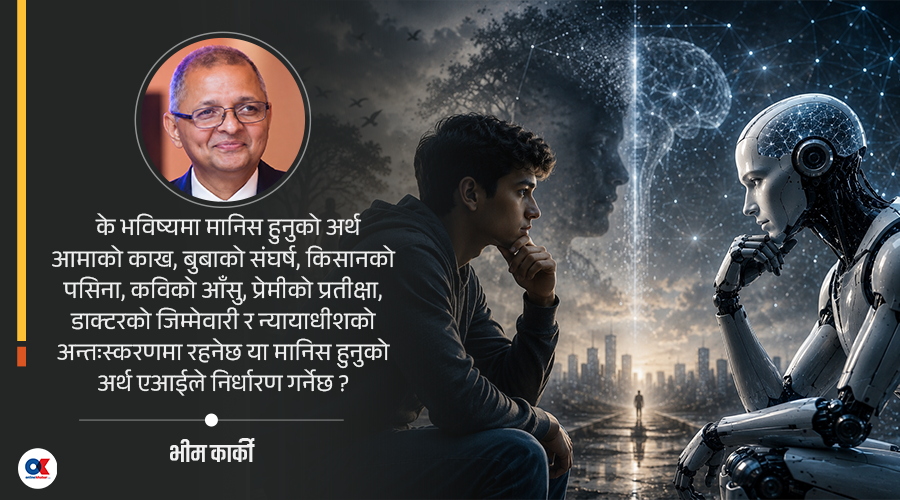
The author poses a profound question about the future role of Artificial Intelligence (AI) in defining human existence. Drawing parallels with past transformative inventions, the piece suggests that the ultimate impact of AI will be judged not by its creation, but by its application and consequences. Just as gunpowder's legacy is tied to its use, and the internet's to its effect on global connectivity and division, AI's historical narrative will be shaped by how humanity wields it. The article implies that the development of AI is at a critical juncture, where the choices made today will determine whether this technology leads to human advancement or detriment. It calls for careful consideration of AI's integration into society and its potential to reshape fundamental aspects of human identity and purpose. The historical perspective suggests that humanity's capacity for both creation and destruction will be tested anew with the advent of AI.
AI's trajectory presents a classic dual-use technology dilemma, mirroring historical innovations like gunpowder and the internet. The core challenge lies in aligning AI's development with humanistic values and societal well-being, rather than allowing its potential for disruption to outpace governance frameworks. As AI systems become more sophisticated, their influence on human identity, decision-making, and societal structures will inevitably grow. This necessitates proactive ethical considerations and robust regulatory oversight to steer AI towards beneficial outcomes. The next decade will likely see intensified debate and policy development around AI's societal integration, focusing on accountability, bias mitigation, and the preservation of human agency in an increasingly automated world.
AI-generated to prompt reflection — not editorial opinion, not advice, not a statement of fact. How this works.