Will E20 Petrol Become Cheaper? Government Explains Ethanol Blending Goals
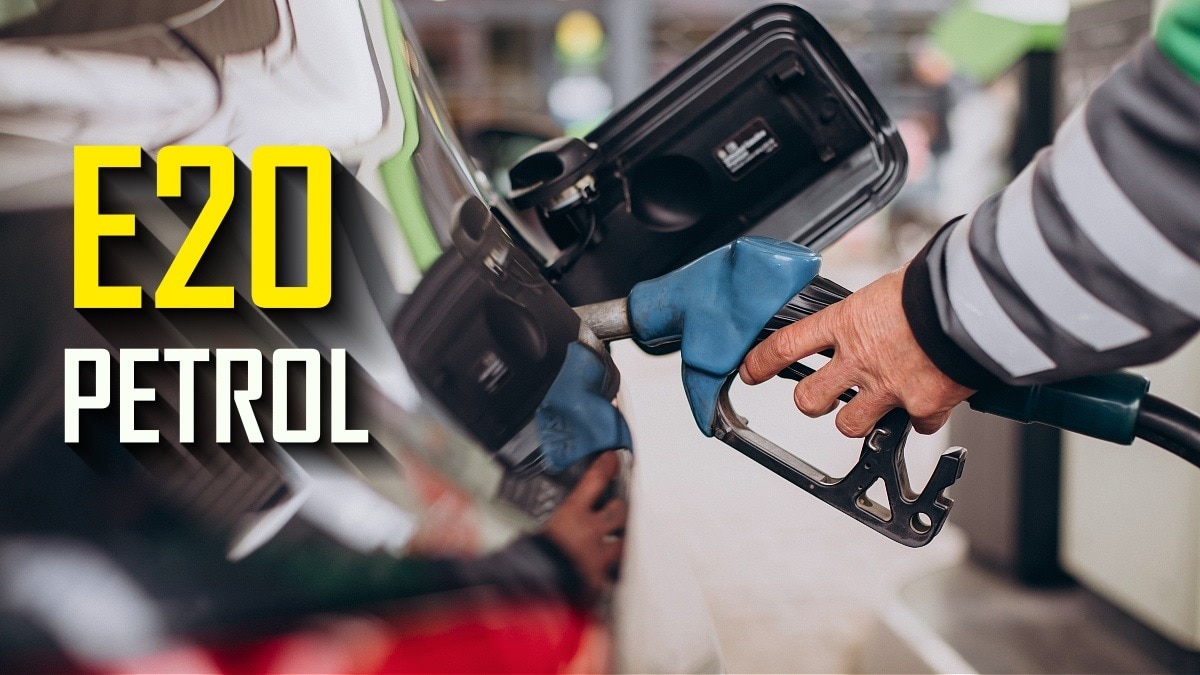
Recent questions have been raised by the public regarding E20 petrol, with complaints centering on reduced vehicle mileage and potential damage to parts. Some organizations have called for lower prices for ethanol-blended fuel, alongside the provision of alternatives to petrol. The government has now responded to these concerns.
The primary objective behind promoting ethanol blending in petrol is to reduce the country's reliance on crude oil imports and to lower the overall cost of fuel. This initiative is also intended to promote the use of biofuels, which are considered more environmentally friendly. The government aims to achieve greater energy security and contribute to a cleaner environment through this policy. While addressing public concerns about performance and cost, the government's stance emphasizes the long-term strategic benefits of increasing ethanol blending.
The government's push for E20 petrol, driven by import reduction and environmental goals, faces consumer pushback due to perceived impacts on vehicle performance and cost. This situation highlights a common tension between national strategic objectives (energy security, reduced import bills) and immediate consumer experience. Future policy will likely involve navigating these trade-offs, potentially through technological advancements in engine compatibility, clearer communication on long-term economic benefits, or targeted subsidies. The decade ahead will demand innovative solutions to reconcile macro-level energy transition targets with micro-level user acceptance and affordability.
AI-generated to prompt reflection — not editorial opinion, not advice, not a statement of fact. How this works.
