Will Government Price Cuts Instantly Lower Food Costs for Nepali Households?
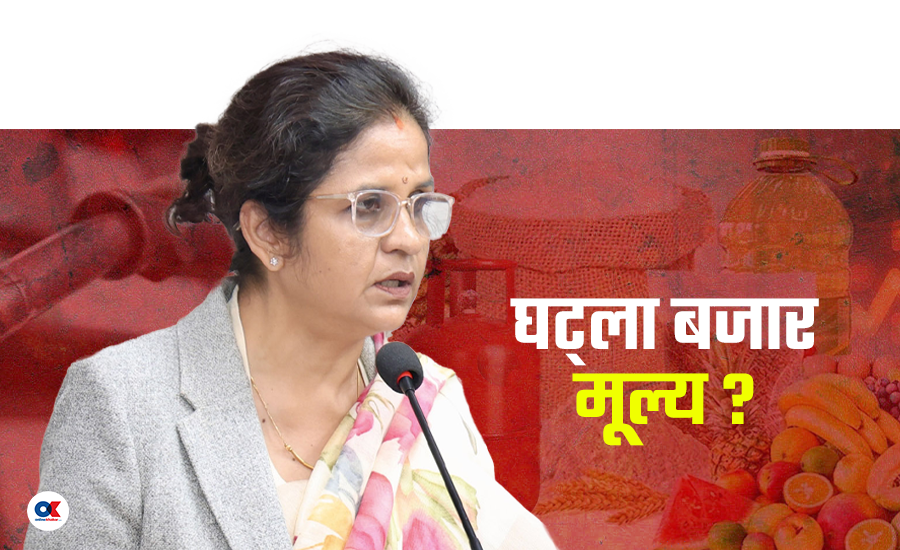
A recent government directive ordering price reductions for essential goods has been met with skepticism regarding its practical impact on consumers. While the instruction to 'lower prices' might initially sound like a relief for consumers, economic principles and market supply chains suggest it is an impractical approach and a bid for cheap popularity. The directive, if implemented without considering market dynamics, could be unsustainable. True relief for consumers typically stems from stable supply chains and fair competition, rather than abrupt governmental price mandates. Such policies often fail to address the underlying factors contributing to high prices, such as production costs, transportation, and global market fluctuations. The effectiveness of this directive will depend on its alignment with broader economic strategies aimed at fostering a resilient and competitive market. Without addressing these fundamental issues, the hope for immediate, significant price drops in Nepali kitchens may prove to be overly optimistic.
The government's directive to lower prices, while intended to alleviate consumer burden, appears to overlook the complexities of market economics and supply chain management. Mandating price reductions without addressing underlying cost structures, such as production, logistics, and import expenses, risks creating an unsustainable situation for businesses. This approach may offer short-term political gains but could lead to market distortions or shortages if producers cannot operate profitably. A more sustainable strategy would focus on enhancing market competition, improving infrastructure, and supporting domestic production to naturally bring down costs over the long term. Evaluating the directive's success will require monitoring its impact on both consumer affordability and market stability over the next few months.
AI-generated to prompt reflection — not editorial opinion, not advice, not a statement of fact. How this works.