Will Gulf Arab States Lose Out from US-Iran Understanding?
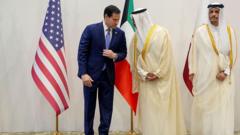
An understanding between the United States and Iran has raised questions about the potential impact on Gulf Arab states. The central query is whether these nations will emerge as the primary losers from this development, or if they have narrowly avoided greater harm with the de-escalation of tensions. This diplomatic shift prompts a re-evaluation of regional alliances and security dynamics. The implications for economic stability and geopolitical influence within the Gulf region are significant. The evolving relationship between Iran and the US could reshape existing power structures. It is crucial to consider how this new understanding might affect trade routes and energy markets. The long-term consequences for regional security architecture remain uncertain. Ultimately, the economic and political ramifications for the Gulf Arab states are multifaceted and require careful consideration.
The potential US-Iran understanding introduces a complex geopolitical variable for Gulf Arab states. From a strategic perspective, any shift in the US-Iran relationship could alter regional power balances, potentially impacting the security calculus of Gulf nations. The economic implications may involve changes in energy market stability and investment flows, depending on the nature of the understanding. Examining this situation requires considering the incentive structures for all involved parties, including the US, Iran, and the Gulf states themselves. The long-term effect will likely depend on the specific terms of the understanding and its durability, influencing future regional governance and cooperation frameworks.
AI-generated to prompt reflection — not editorial opinion, not advice, not a statement of fact. How this works.