Will Messi, Haaland, and the World Cup boost sales for Peruvian SMEs?
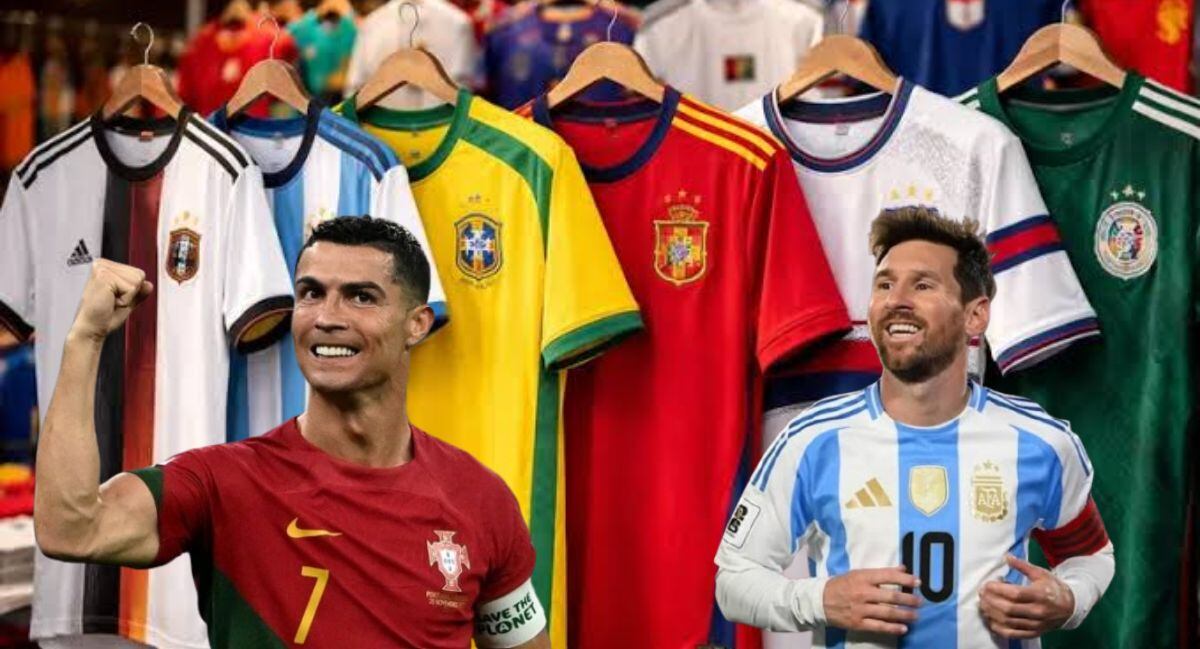
Small and medium-sized enterprises (SMEs) in Gamarra, Peru, are facing significant financial challenges, with an estimated loss of S/600 million attributed to the effects of the El Niño phenomenon. The lack of a traditional winter season and ongoing electoral uncertainty have negatively impacted the autumn-winter sales campaign for these businesses. However, there is a glimmer of hope as the excitement surrounding the 2026 World Cup is driving sales of jerseys and sports merchandise. The key question remains whether the global football tournament can sufficiently offset the substantial losses incurred by thousands of small businesses.
The economic impact of climate events like El Niño on retail sectors, particularly SMEs, highlights systemic vulnerabilities. While sporting events such as the World Cup can provide temporary demand boosts, their capacity to fully compensate for large-scale economic disruptions is limited. This situation underscores the need for greater resilience planning within supply chains and business models, potentially through diversification or government support mechanisms. Future economic strategies may need to account for the increasing frequency of climate-related shocks and the fluctuating nature of consumer spending driven by global events.
AI-generated to prompt reflection — not editorial opinion, not advice, not a statement of fact. How this works.