Will 'Offering Theft' Issue Benefit UP Opposition in Elections?
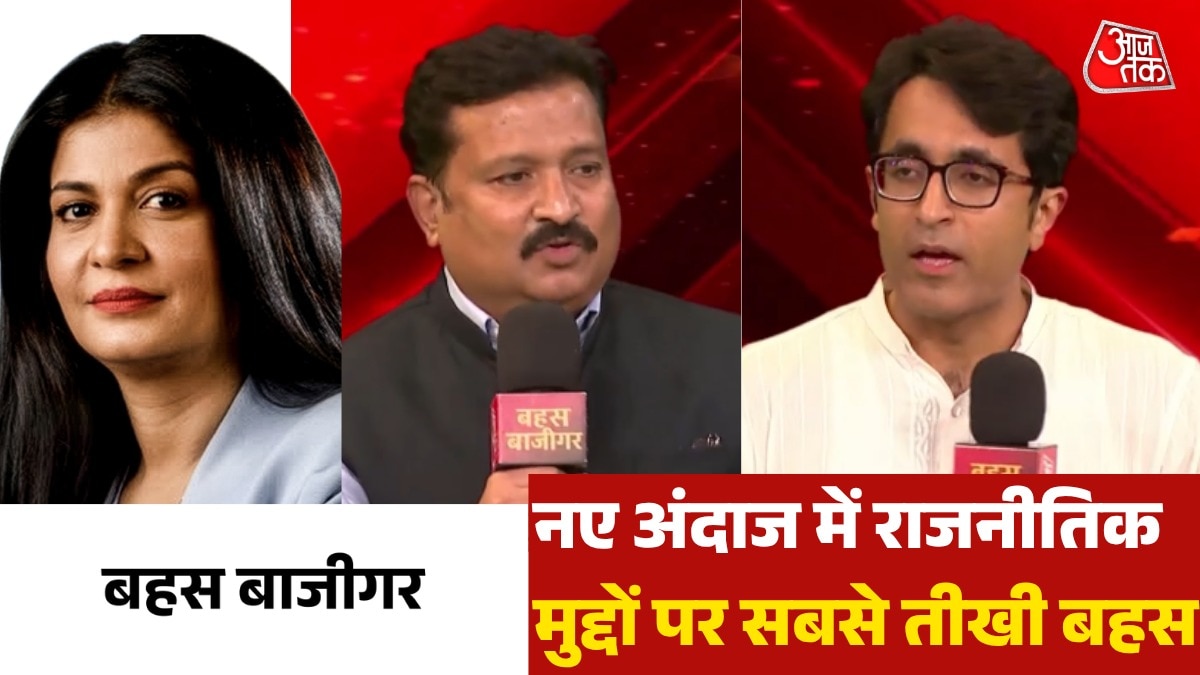
A special Aaj Tak program, 'Bahs Bajigar' (Debate Gambler), discussed whether the issue of 'offering theft' would provide electoral advantages to the opposition in Uttar Pradesh. Spokespersons from various political parties engaged in a heated exchange of arguments and counter-arguments on this topic. The debate centered on the potential impact of this issue on the upcoming elections in the state. Each participant presented their case, aiming to dismantle the arguments of their opponents. The program featured a vigorous debate where political representatives fiercely defended their party's stance and attacked the opposing viewpoints. The central question remained whether this specific issue could sway voters and alter the electoral landscape in Uttar Pradesh. The discussion highlighted the strategic importance of such issues in Indian election campaigns and how parties attempt to leverage them for political gain. The intensity of the debate indicated the sensitivity and perceived significance of the 'offering theft' issue among the participating parties.
The discussion probes the strategic utility of a specific religious-cultural issue, 'offering theft,' as a political wedge in Uttar Pradesh elections. This framing suggests an attempt to mobilize specific voter segments by highlighting perceived transgressions within religious institutions. The effectiveness of such a strategy hinges on the extent to which it resonates with broader public sentiment beyond the immediately involved communities, and whether it can be framed as a systemic governance failure rather than an isolated incident. The debate's focus on electoral advantage implies a transactional approach to social issues, where political actors may seek to capitalize on public concern or outrage for short-term political gain. Future electoral dynamics in India may increasingly involve the intersection of cultural grievances and political mobilization, necessitating a careful examination of how such issues are amplified and contested across diverse media platforms.
AI-generated to prompt reflection — not editorial opinion, not advice, not a statement of fact. How this works.