Will the Stock Market Save Germany's Pension System?
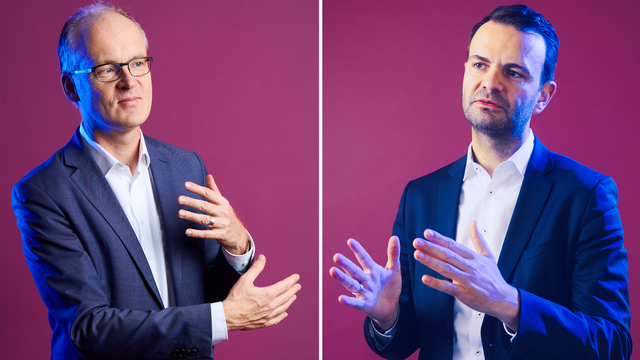
Economist Sebastian Dullien has criticized proposals from the Pension Security Commission, arguing they would hinder economic growth. In contrast, Florian Dorn, a politician from the CSU party, contends that these proposals would actually bolster the economy. The debate centers on the potential benefits and drawbacks of integrating capital-funded elements, likely involving stock market investments, into Germany's pension system. Dullien's perspective suggests that the proposed changes might impose significant costs on economic expansion. Dorn, however, presents a counterargument, emphasizing the potential for these measures to stimulate economic activity. The core of the discussion revolves around how to ensure the long-term financial stability of pensions while simultaneously fostering a healthy economy. The differing viewpoints highlight a fundamental disagreement on the economic impact of the commission's recommendations. Further details on the specific proposals and their projected effects on growth and the pension system are not provided in this excerpt.
The discussion around integrating capital-funded pensions, particularly through stock market investments, presents a classic economic trade-off between long-term security and short-term growth. Critics like Sebastian Dullien raise valid concerns about potential drag on economic expansion, possibly due to capital diversion or market volatility. Conversely, proponents such as Florian Dorn likely emphasize the potential for higher returns compared to traditional pay-as-you-go systems, which could ultimately strengthen the pension fund's solvency. The challenge lies in designing a system that mitigates the inherent risks of market fluctuations while still capturing potential growth benefits. Future pension systems will likely need to balance these competing incentives, perhaps through diversified investment strategies and robust regulatory oversight, to ensure both individual retirement security and broader economic health in an era of demographic shifts and evolving financial markets.
AI-generated to prompt reflection — not editorial opinion, not advice, not a statement of fact. How this works.