Wimbledon's Sacred Lawn: 18,240 Checks in Two Weeks
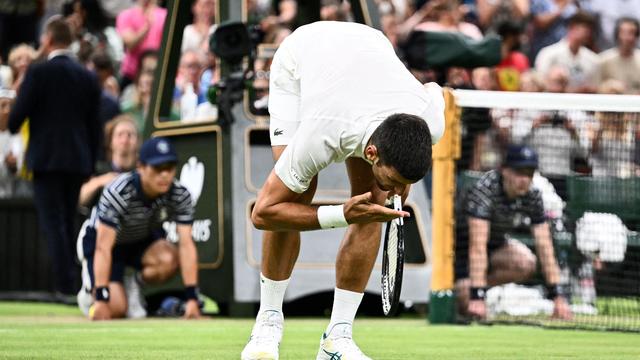
The grass at Wimbledon is considered the most sacred in the world, and Neil Stubley's team is responsible for maintaining its perfection. This task is a year-round commitment. Over a two-week period, the team meticulously inspects the hallowed turf an astonishing 18,240 times. Their dedication ensures the iconic courts meet the highest standards expected at the prestigious tennis tournament. The work involved in preserving the pristine condition of the Wimbledon grass extends far beyond the tournament itself, requiring constant attention and expertise throughout the entire year. This rigorous maintenance schedule highlights the immense effort invested in preparing and preserving the playing surface for the world's elite athletes.
The intensive, multi-thousand-fold inspection of Wimbledon's grass over a mere two weeks underscores the extreme premium placed on aesthetic and performance standards in elite professional sports. This level of meticulous care, while crucial for the brand and player experience, represents a significant resource allocation. From a systems perspective, it raises questions about the scalability of such bespoke, high-touch maintenance models in an era where efficiency and sustainability are increasingly paramount. The juxtaposition of this labor-intensive tradition with broader technological advancements suggests a potential future where AI-driven diagnostics or advanced turf management systems might supplement or even partially automate aspects of this process, balancing heritage with evolving operational imperatives.
AI-generated to prompt reflection — not editorial opinion, not advice, not a statement of fact. How this works.