Windhoek High Court Rules Speed Humps on Western Bypass Are Legal
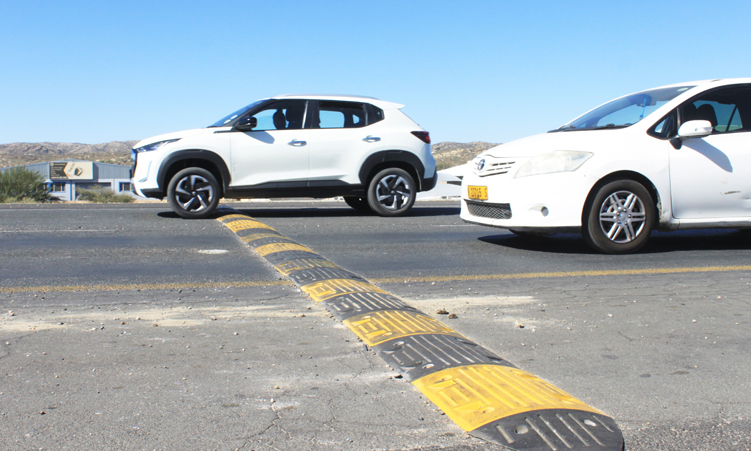
Activist Michael Amushelelo has been unsuccessful in his legal challenge against the installation of speed humps on sections of the Western Bypass road in Windhoek. Judge Gabriel Komboni delivered a judgment in the Windhoek High Court, finding that neither the Minister of Works and Transport, Veikko Nekundi, nor the Roads Authority acted unlawfully in placing the speed humps. The court's decision means that the existing speed humps on this particular stretch of road will remain. The legal challenge brought by Amushelelo aimed to prove that the actions of the minister and the Roads Authority constituted a violation of the law. However, the judge's findings indicate that Amushelelo failed to provide sufficient evidence or legal grounds to support his claims. The judgment was formally delivered by the High Court, settling the dispute over the legality of the traffic calming measures.
The court's ruling on the legality of speed humps highlights the importance of established legal frameworks and evidence in public infrastructure decisions. While traffic calming measures are often implemented to enhance safety, their installation must adhere to procedural requirements and statutory authority. This case underscores the need for clear guidelines and public consultation processes when introducing such measures, ensuring transparency and accountability. Future considerations for road infrastructure projects could involve optimizing the balance between safety objectives and potential impacts on traffic flow and vehicle wear, guided by comprehensive impact assessments and adherence to regulatory standards.
AI-generated to prompt reflection — not editorial opinion, not advice, not a statement of fact. How this works.