Windhoek Informal Settlements Face Decades-Long Sanitation Crisis
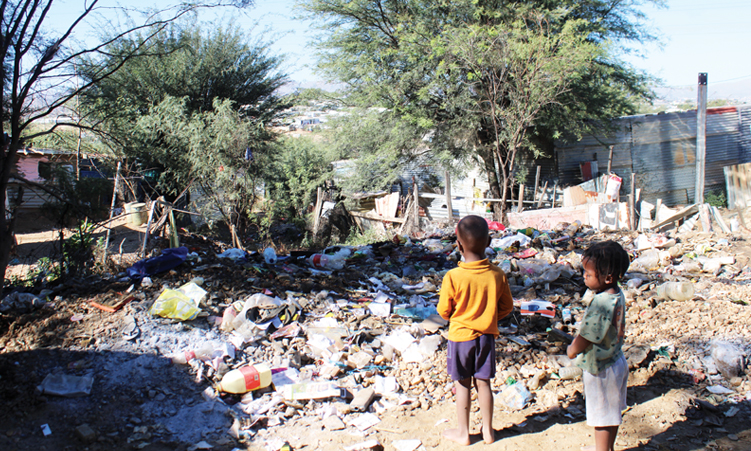
Residents of Epandulo, an informal settlement in Windhoek, Namibia, are enduring a severe sanitation crisis characterized by uncollected garbage and waste. The smell of rotting food, human waste, and smoke permeates the air in the densely populated area. Children are seen playing barefoot amidst makeshift homes and large piles of refuse. This situation highlights a long-standing issue, with some residents reportedly waiting as long as 33 years for adequate garbage collection services. The accumulation of waste poses significant health and environmental risks to the community. The crisis is particularly acute in informal settlements within the Moses //Garoeb constituency. The ongoing neglect of basic services like waste management in these areas creates a potentially dangerous living environment. The situation is described as a 'ticking time bomb,' suggesting an urgent need for intervention.
The prolonged neglect of basic waste management services in Windhoek's informal settlements points to systemic governance failures in urban planning and service delivery. Decades of inadequate infrastructure development in these areas, often populated by marginalized communities, create significant public health and environmental hazards. This situation reflects a broader challenge faced by many rapidly urbanizing regions in developing economies, where resource allocation and equitable service distribution are critical. Addressing this requires not only immediate sanitation interventions but also long-term strategic investment in infrastructure and community development to prevent future crises and ensure the well-being of all residents.
AI-generated to prompt reflection — not editorial opinion, not advice, not a statement of fact. How this works.