Windows NT 4.0 Launched 30 Years Ago, Unifying Windows OS Interface
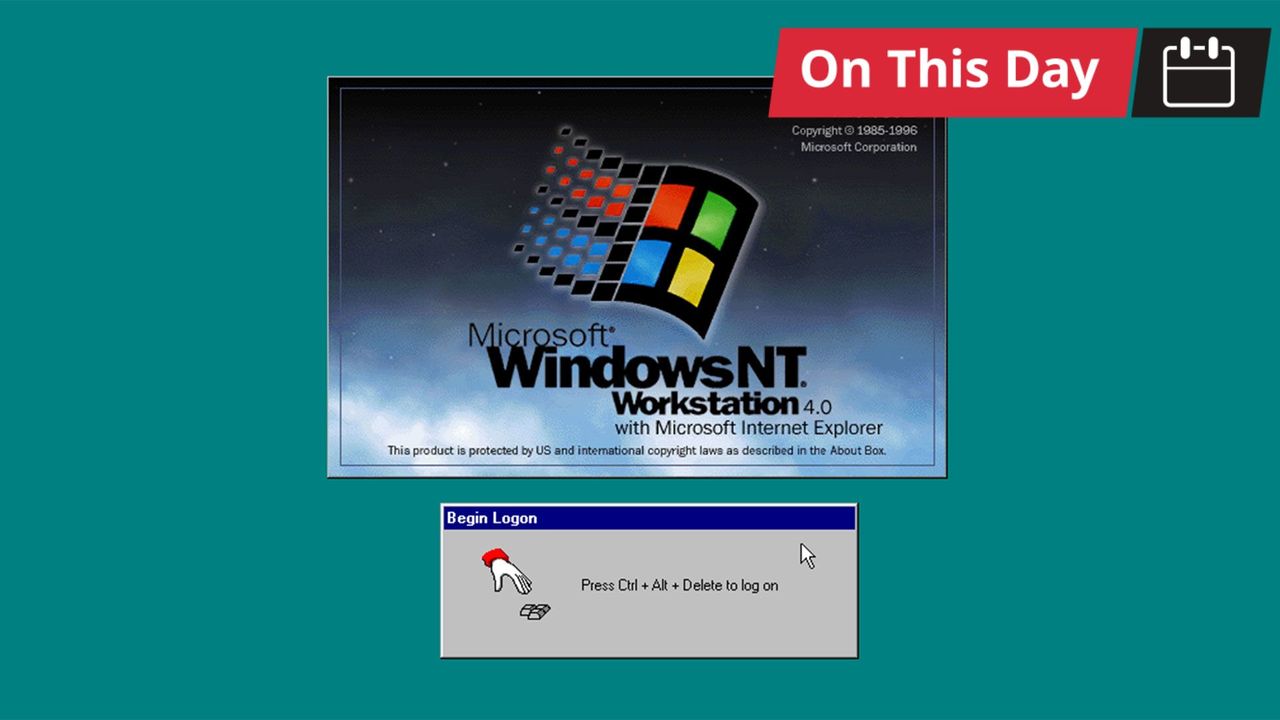
Microsoft's Windows NT 4.0 was released to manufacturing partners on July 29, 1996. This milestone operating system brought the user interface from Windows 95 to server environments. The launch occurred during the Pentium era, a significant period for computing advancements. Windows NT 4.0 aimed to unify the user experience across Microsoft's different operating system lines. This move was crucial in establishing a consistent look and feel for Windows users. The integration of the familiar graphical user interface into a more robust server OS was a key development. It marked a significant step in the evolution of modern Windows operating systems. The RTM (Release to Manufacturing) date signifies when the software was finalized and sent to hardware manufacturers. This allowed for the pre-installation of the OS on new computers. The unification of the UI was a strategic decision by Microsoft. It simplified user adoption and training for both desktop and server environments. Windows NT 4.0 played a pivotal role in shaping the trajectory of Windows OS development.
The release of Windows NT 4.0 in 1996 represented a strategic consolidation of Microsoft's operating system offerings. By merging the user-friendly interface of Windows 95 with the robust NT kernel, Microsoft sought to streamline user experience and support across its product lines. This unification likely reduced development and support costs while enhancing market penetration by appealing to a broader user base. Looking forward, this decision foreshadows the ongoing industry trend towards integrated ecosystems and consistent user interfaces across diverse computing platforms, a principle that remains central to operating system design and user adoption in the current era of ubiquitous connectivity and diverse device usage.
AI-generated to prompt reflection — not editorial opinion, not advice, not a statement of fact. How this works.