Wine Bottle Sizes: Choosing the Right Format for Every Occasion
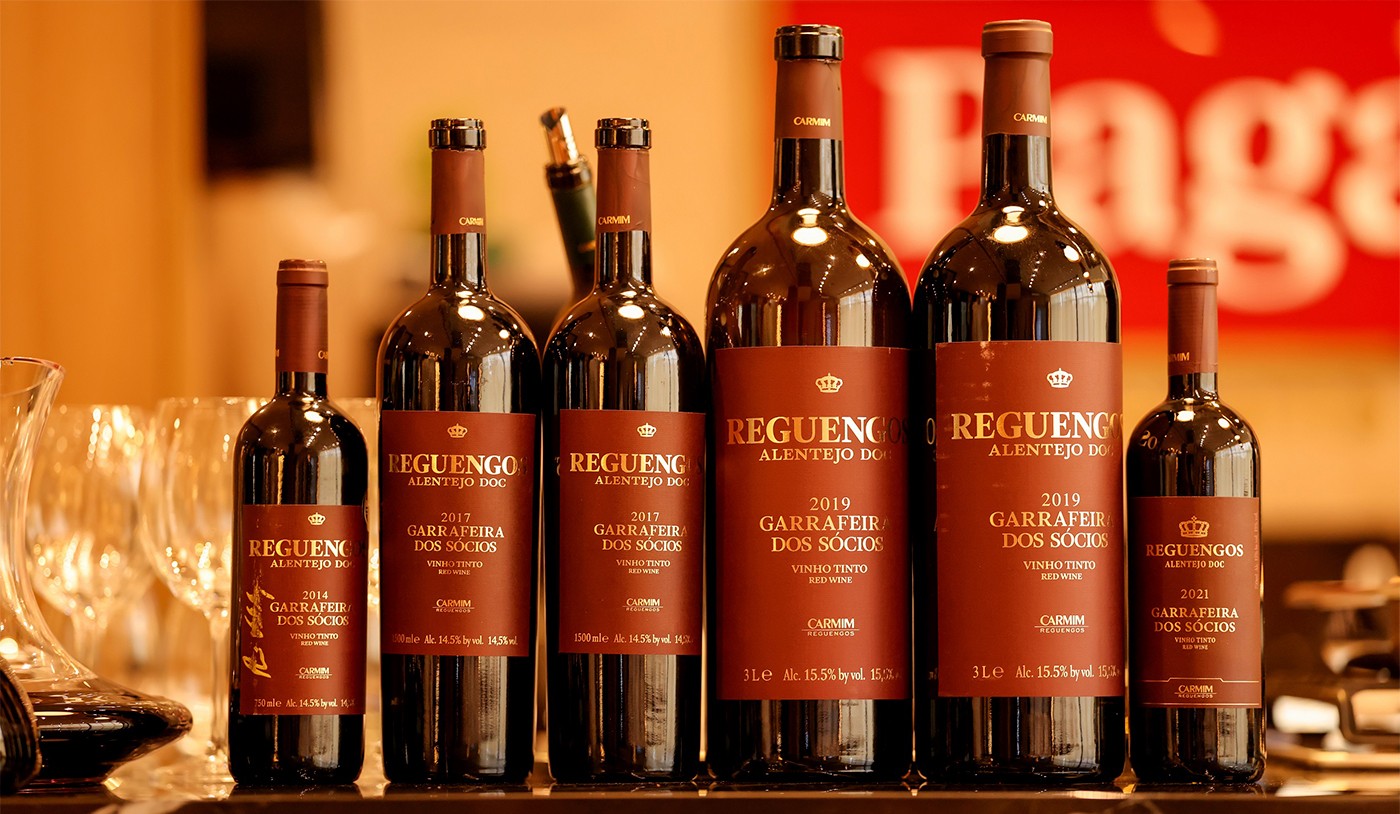
Beyond grape varietals, vintages, and regions, the size of a wine bottle significantly influences the drinking experience and can elevate any gathering. Different bottle formats are designed for specific situations, ranging from individual servings to large-scale celebrations. The 'piccolo' or 'split' bottle, holding 187 ml, is ideal for a single, generous glass and is commonly found in restaurants and hotels. The half bottle, at 375 ml, offers a practical solution for two people, tastings, or for those who wish to sample multiple wines without waste, also proving useful for travel and picnics. The standard 750 ml bottle, the most prevalent in the market, typically serves around five glasses and is well-suited for everyday meals and small gatherings due to its balance of preservation, convenience, and consumption. For more impactful presentations and improved wine aging, the Magnum bottle, at 1.5 liters (equivalent to two standard bottles), is often reserved for special occasions. Its larger volume-to-oxygen ratio allows for slower, more balanced maturation, preserving aromas and flavors longer, leading many producers to feature their finest wines in this format. Larger formats like the Jeroboam (4.5 l), Matusalem (6 l), Nabucodonosor (15 l), and the rare Melchior (18 l) are reserved for major events such as weddings and large corporate functions, providing both substantial capacity and significant visual presence. The importer and distributor Porto a Porto offers a diverse portfolio of wines in various sizes, from piccolo to Jeroboam, catering to both B2B clients and individual consumers through its e-commerce platform, Grande Adega.
The proliferation of wine bottle sizes reflects a sophisticated market segmentation strategy, catering to diverse consumption patterns and occasions. From individual servings to celebratory formats, these options aim to optimize consumer experience and sales volume. The Magnum size, in particular, highlights a nuanced understanding of wine aging dynamics, suggesting that larger formats can enhance long-term quality, thereby justifying premium pricing and collector interest. This practice also serves as a marketing tool, associating larger bottles with prestige and exclusivity. The availability of various sizes through distributors like Porto a Porto and retailers like Grande Adega demonstrates a mature supply chain adept at meeting both commercial and individual demands, underscoring the wine industry's ability to adapt to evolving consumer preferences and market opportunities.
AI-generated to prompt reflection — not editorial opinion, not advice, not a statement of fact. How this works.