Wine Storage After Chilling: What You Need to Know
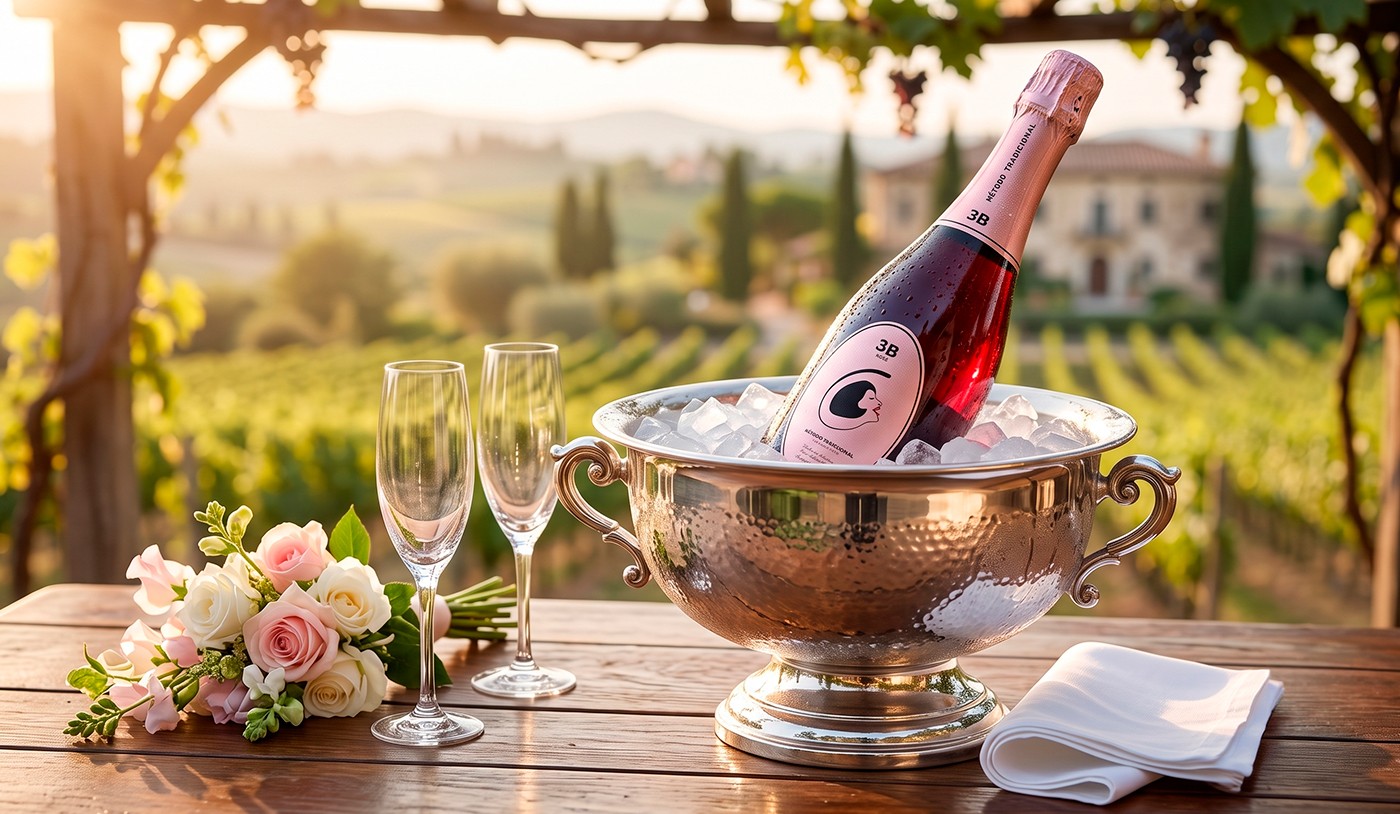
After chilling wine, it's not always necessary to keep it refrigerated if the bottle remains sealed. Removing the bottle from the refrigerator and allowing it to return slowly to room temperature is an option. The primary threats to wine quality are frequent and drastic temperature fluctuations, particularly between hot and cold, as well as prolonged exposure to excessive heat (above approximately 28-30°C). However, once a bottle has been opened, it is best to store it under refrigeration, including red wines, to slow down oxidation. Red wines should be allowed to sit out of the refrigerator for a few minutes before serving to reach their ideal temperature. Opened bottles have a limited lifespan: sparkling wines lose their effervescence within hours. White and rosé wines typically last 2 to 3 days when refrigerated, while some red wines can last 4 to 5 days. Fortified wines like Port can remain open for about a month, and Madeira wines, due to their production method, have a much longer shelf life even after opening.
This guidance addresses common consumer questions regarding wine storage post-chilling, emphasizing temperature stability as a key factor in preserving wine quality. The advice differentiates between unopened and opened bottles, highlighting the impact of oxidation on the latter. The distinction between wine types regarding their post-opening longevity underscores the varied chemical stability within the category. Understanding these principles can help consumers minimize waste and appreciate wine at its best, reflecting a growing consumer interest in product longevity and informed consumption practices.
AI-generated to prompt reflection — not editorial opinion, not advice, not a statement of fact. How this works.