Winery Owner Arrested for Energy Theft and Illegal Sales in São Paulo
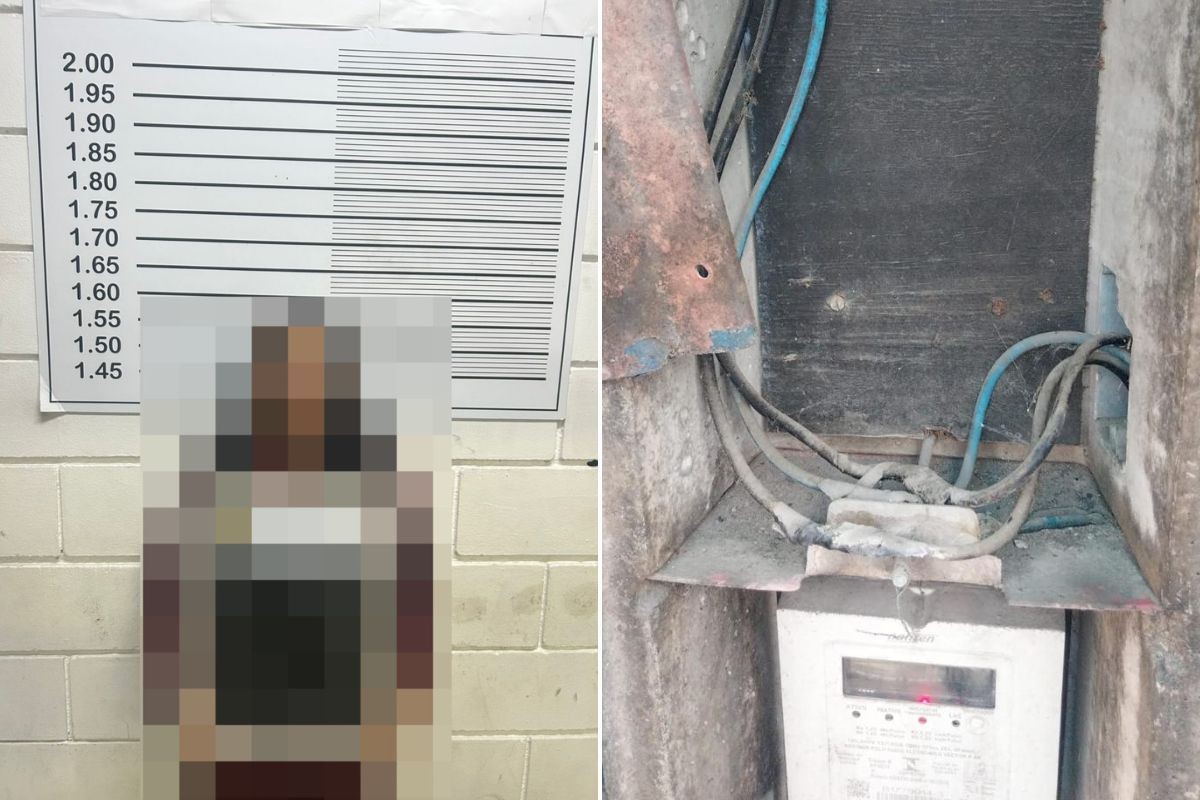
Authorities in Bertioga, on the coast of São Paulo, have arrested a 38-year-old woman, the owner of a winery, for energy theft. The operation, conducted by the Civil Police with support from Neoenergia Elektro, also uncovered the illegal sale of various products. The investigation began following a tip about the establishment's irregular operations, including suspicions of selling counterfeit beverages and foreign cigarettes. During the inspection on Tuesday, May 7th, it was discovered that the property had been illegally connected to the public power grid since 2018, bypassing regular supply. The police seized 94 liters of various whiskey brands, 9 liters of vodka, and 222 packs of untaxed cigarettes that were openly for sale. The owner could not provide documentation for the origin of these goods. She has been charged with qualified theft by fraud and smuggling. Forensic experts were called to analyze the electrical fraud. Investigators are also looking into the potential involvement of her 34-year-old husband, as evidence suggests he co-managed the business and was aware of the illicit activities.
This incident highlights systemic vulnerabilities in utility oversight and regulatory enforcement. The prolonged period of illegal energy consumption, spanning approximately six years, suggests potential gaps in monitoring or reporting mechanisms for both the utility provider and local authorities. The simultaneous discovery of contraband goods points to a broader pattern of illicit commerce, possibly enabled by a lack of stringent business licensing and inspection protocols. Moving forward, enhanced data analytics for detecting anomalous energy usage patterns and cross-agency collaboration on business compliance could mitigate such occurrences. The case also underscores the importance of robust supply chain verification to prevent the infiltration of counterfeit and untaxed goods into the market, impacting both public revenue and consumer safety.
AI-generated to prompt reflection — not editorial opinion, not advice, not a statement of fact. How this works.