Wing Commander IV: A Look Back at an Ambitious FMV Game
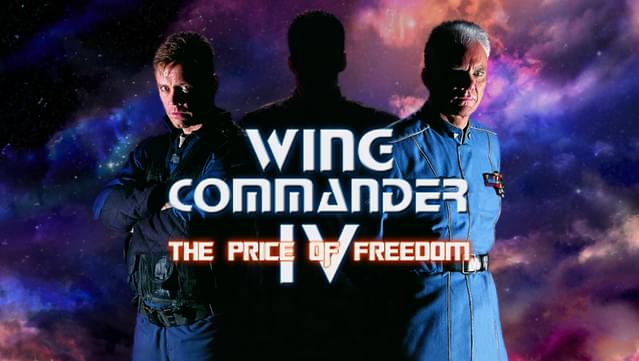
Ars Technica revisits Wing Commander IV, a 1996 space combat simulator that famously incorporated extensive full-motion video (FMV) sequences. The game, developed by Origin Systems and helmed by Chris Roberts, aimed to blur the lines between gaming and filmmaking. It featured a star-studded cast, including Mark Hamill, Malcolm McDowell, and John Hurt, performing in a narrative-driven experience that felt more like an interactive movie. The ambitious scope involved shooting hours of cinematic footage, a significant undertaking for its time. Wing Commander IV's reliance on FMV was a bold experiment in interactive entertainment. While praised for its cinematic aspirations and production values, the game also highlighted the challenges and limitations of integrating pre-rendered video into gameplay. The project represented a significant investment in the FMV genre, a format that ultimately did not become the dominant future of gaming.
Wing Commander IV's ambitious integration of FMV represents a fascinating case study in the evolution of interactive storytelling. The project's scale and cinematic aspirations, while groundbreaking for the mid-1990s, also underscore the technical and design hurdles inherent in merging passive video with active gameplay. The significant investment in FMV production, coupled with the eventual market trajectory away from this format, suggests a divergence between technological possibilities and player engagement preferences. This historical experiment offers insights into the ongoing quest to enhance narrative immersion in video games, prompting reflection on how future interactive media might leverage cinematic techniques without compromising player agency or succumbing to production cost inefficiencies.
AI-generated to prompt reflection — not editorial opinion, not advice, not a statement of fact. How this works.