Winter Boosts Economy and Service Demand in Brazil's Serrana Region
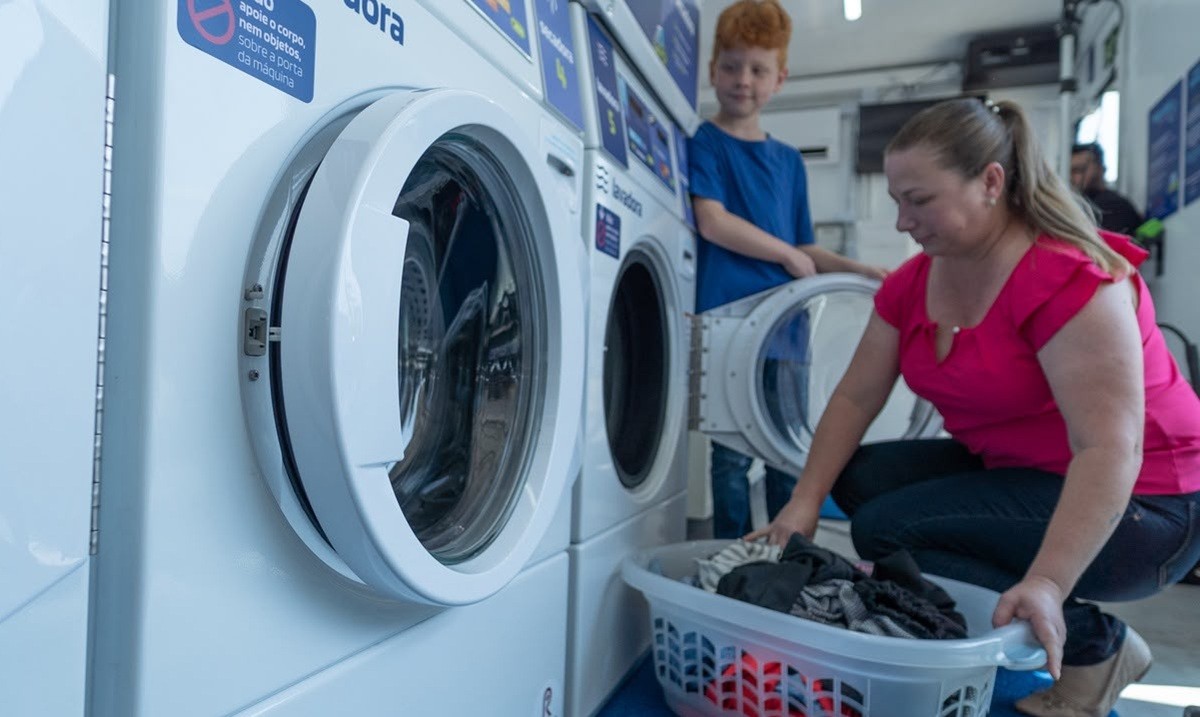
The colder weather in the Serrana Region of Rio de Janeiro has significantly stimulated various sectors of the local economy. Business owners and experts have noted a surge in demand for services including laundry, food, tourism, cleaning, retail, and self-service markets during the winter months. According to business and expansion specialist Ycaro Martins, low temperatures alter consumer behavior, creating opportunities across multiple segments, though he emphasizes that strategy, not just seasonality, drives growth.
Specific sectors experiencing this uplift include self-service laundromats, where networks like Lavô report up to a 50% increase in business on colder days, particularly for washing heavy clothes and bedding. The food sector is also benefiting, with a new Di Blasi Pizzas unit in Petrópolis exceeding revenue expectations in its first month, coinciding with winter's start. Autonomous markets within condominiums, such as Minha Quitandinha and market4u, are seeing more residents and increased purchases of convenience items like quick meals and hot beverages. Travel agencies like 3, 2, 1 GO! are observing a rise in bookings for mountain destinations, wineries, and cold-weather experiences. Retailers, especially in apparel and accessories, are also reporting higher customer traffic, as noted by Fuel Eyewear. Additionally, cleaning services, both residential and commercial, are in greater demand, with Maria Brasileira noting increased requests for services in homes, inns, and vacation rentals, where prolonged indoor periods can exacerbate humidity and mold issues. Martins advises that high-performing businesses analyze data and develop specific plans for each season to achieve sustainable growth, rather than merely reacting to consumer fluctuations.
The economic activity in Brazil's Serrana Region during winter highlights the predictable impact of seasonal weather patterns on consumer behavior and specific industries. While the cold naturally drives demand for certain goods and services like warm clothing, heating-related services, and indoor leisure activities, the analysis suggests that businesses which proactively plan and adapt their strategies to leverage these predictable shifts are more likely to achieve sustained growth. This event underscores a broader principle in market dynamics: understanding and integrating seasonal or cyclical trends into operational planning can transform potential economic lulls into periods of opportunity. The long-term implication involves developing resilient business models that can anticipate and capitalize on recurring environmental or behavioral changes, rather than simply reacting to them, thereby fostering a more stable economic ecosystem.
AI-generated to prompt reflection — not editorial opinion, not advice, not a statement of fact. How this works.