Winter Brings More Jellyfish to São Paulo Coast; Lifeguards Warn Swimmers
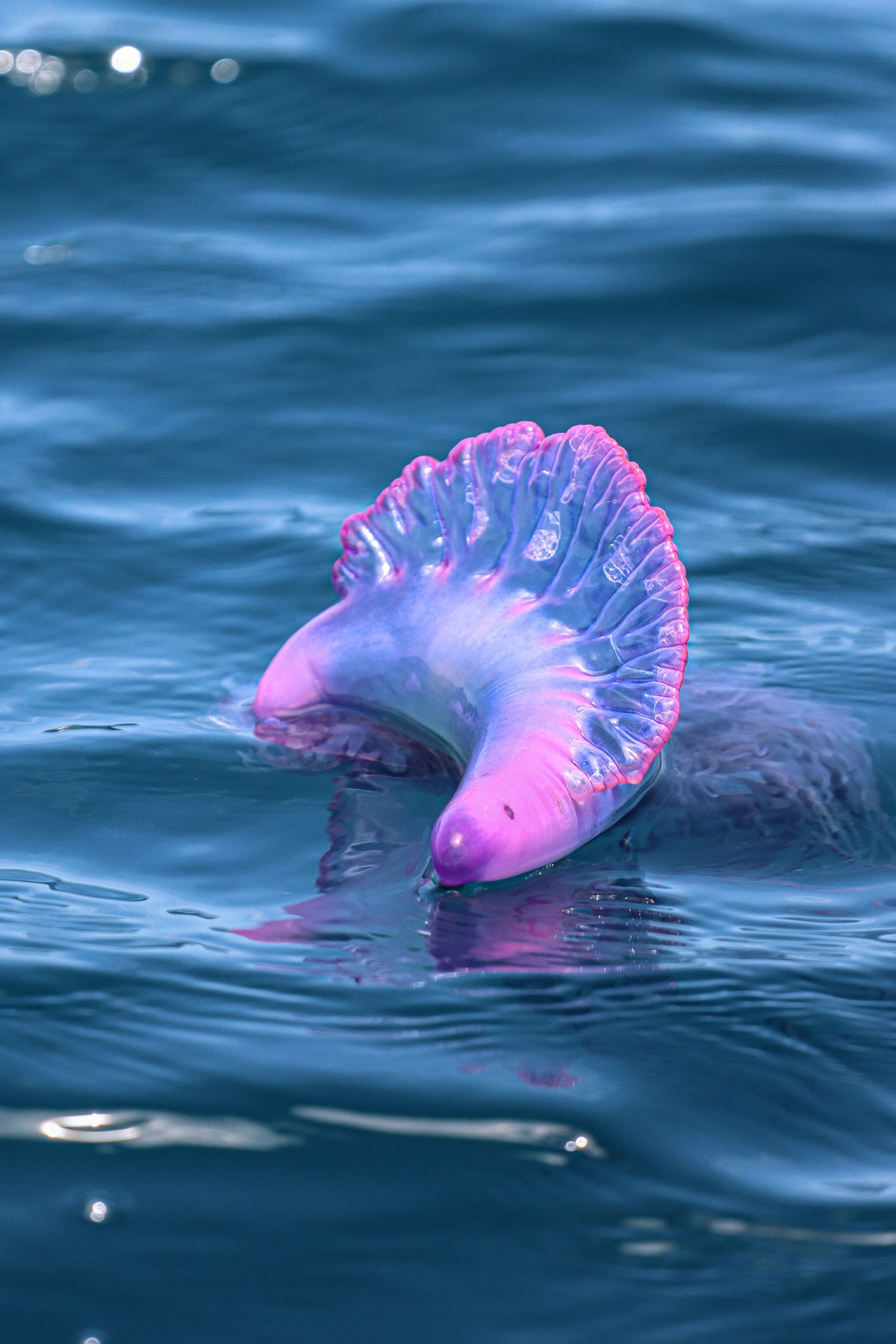
The winter season in São Paulo, Brazil, has led to an increased presence of jellyfish and Portuguese man-of-wars along the state's coastline, particularly in the Baixada Santista region. Cold fronts, shifting winds, and influxes of water from the south create currents and undertows that carry these gelatinous creatures from deeper ocean areas closer to shore. The Maritime Firefighting Group (GBMar) confirms this phenomenon is common during colder months and urges swimmers to exercise caution to prevent injuries. GBMar spokesperson Eduardo Campanhola stated that there have been recent incidents of people being injured by these marine animals, and lifeguards are actively monitoring the situation. While the GBMar provides assistance to those affected, they do not maintain official statistics on these occurrences. Injuries from jellyfish stings are generally not severe but can leave marks. Personal accounts from affected individuals, such as Marcelo Marcelino, Gabriel Ábila, and Sabrina de Souza Camelo, describe varying degrees of burning sensations and visible marks on the skin. The GBMar advises the public to avoid contact with jellyfish, even if they appear dead on the sand, as their tentacles can retain toxic properties. If contact occurs, individuals experiencing pain, burning, or irritation should seek assistance from lifeguards or healthcare services for appropriate treatment.
The increased appearance of jellyfish along the São Paulo coast during winter months is a predictable ecological response to seasonal weather patterns, including cold fronts and altered ocean currents. While individual encounters can cause discomfort and minor injuries, the phenomenon highlights the dynamic relationship between coastal ecosystems and human recreational activities. Effective public safety messaging from entities like the GBMar is crucial for mitigating risks. Future management strategies could explore integrating real-time environmental monitoring with public advisories to provide more proactive guidance, especially as climate shifts potentially influence marine life distribution and frequency of such events.
AI-generated to prompt reflection — not editorial opinion, not advice, not a statement of fact. How this works.