Winter Crop Profitability Faces Challenges: Yield vs. Fair Prices Amid High Costs
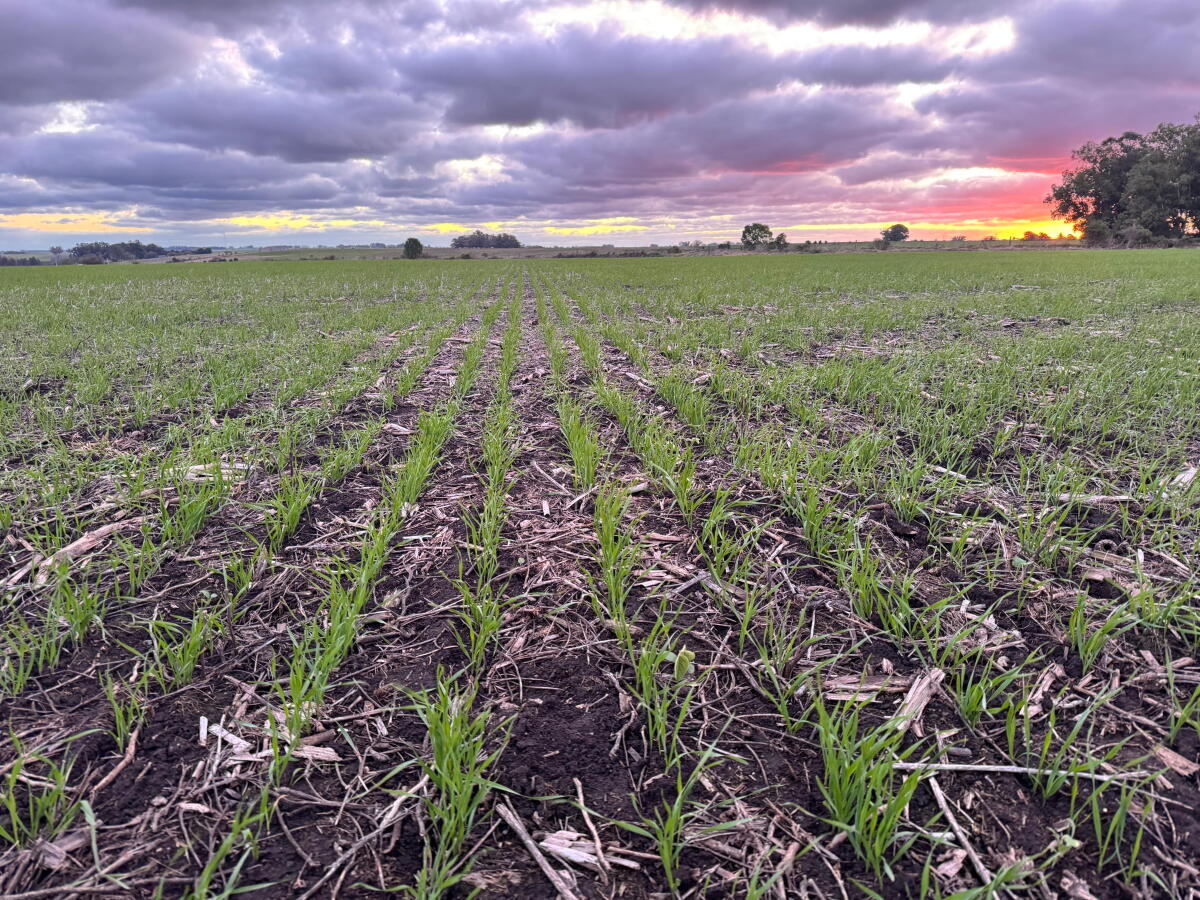
The 2026 campaign presents a favorable outlook for rapeseed cultivation, while the scenarios for wheat and barley appear significantly tighter. Farmers are grappling with the challenge of balancing high production yields against the need for fair pricing and the reality of escalating operational costs. This delicate equilibrium is crucial for the economic viability of winter crops. The disparity in prospects between different crops highlights the complex market dynamics and agricultural planning required for success. Ensuring profitability for staple grains like wheat and barley will necessitate careful management and potentially innovative strategies to offset increased expenses and achieve equitable market returns. The positive outlook for rapeseed suggests a potential shift in planting priorities or a recognition of its unique market advantages for the upcoming season.
The agricultural sector faces persistent tension between maximizing crop yields and securing fair market prices, particularly when confronted with rising input costs. For the 2026 campaign, the differing prospects for rapeseed versus wheat and barley suggest that market forces, potentially influenced by global demand, supply chain efficiencies, or climate factors, are creating divergent economic incentives for farmers. This situation underscores the systemic challenge of agricultural economics: how to ensure food security and farmer livelihoods when production costs and market valuations are not consistently aligned. Future agricultural policy and market structures may need to address these imbalances to foster resilience and sustainability across diverse crop types, considering the long-term implications of technological advancements and evolving consumer preferences in the coming decade.
AI-generated to prompt reflection — not editorial opinion, not advice, not a statement of fact. How this works.