Winter Expenses Rise for Clothing, Food, and Medicine, Procon-SP Survey Finds
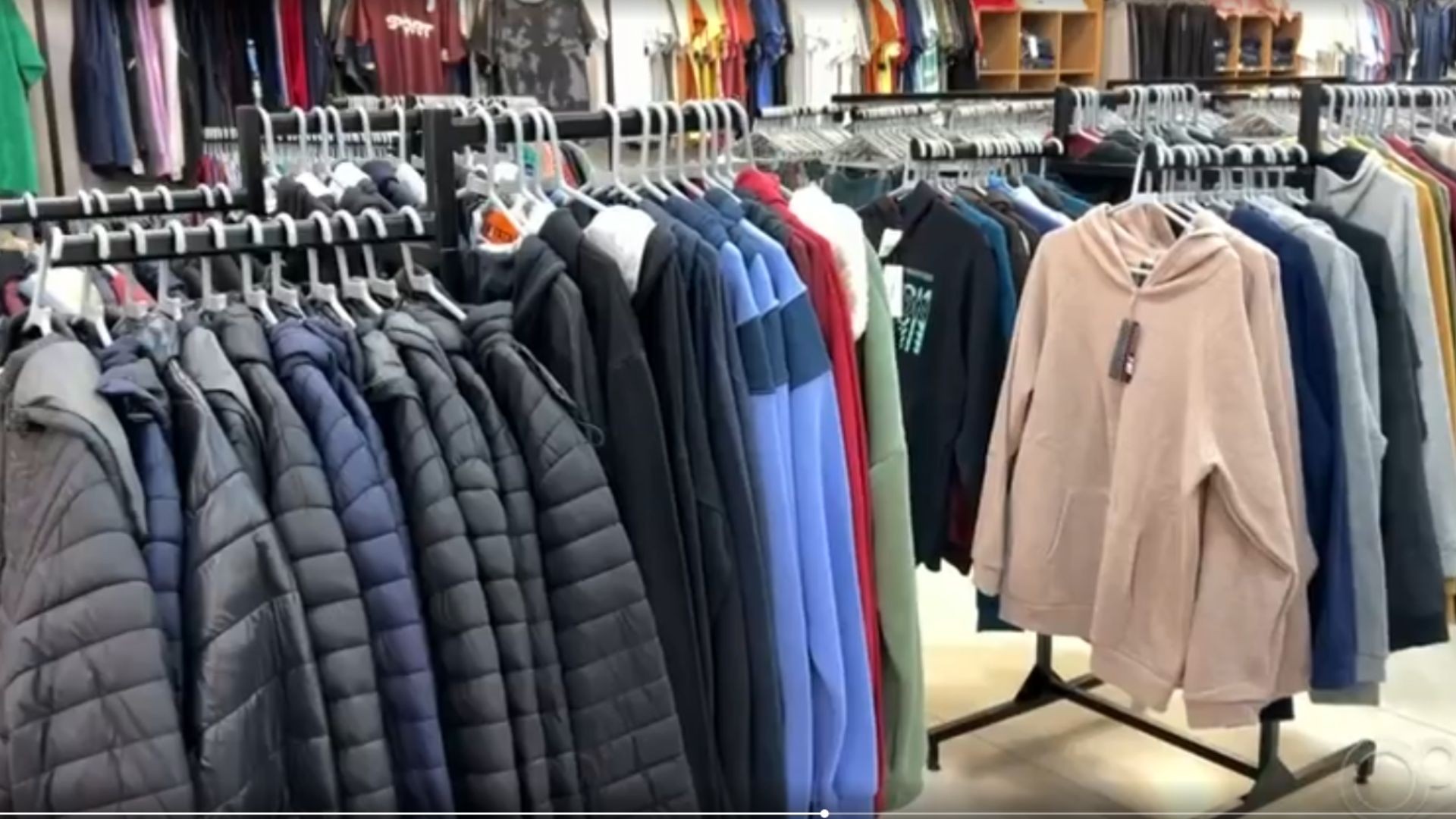
A survey conducted by Procon-SP reveals that winter significantly impacts consumer budgets in Brazil. Clothing and warm apparel are the primary expenses during this season, followed by seasonal foods and beverages, and medical necessities. The study surveyed 556 participants, with 427 reporting purchases of winter clothing. Additionally, 334 consumers spent more on typical winter foods like soups and fondue, while 185 increased spending on medications and vaccines. Another 97 reported higher costs for medical and hospital services, and 84 spent more on dining out at restaurants and buffets. Retailers note that coats are among the most sought-after winter items, with consumers favoring versatile, neutral-colored pieces. To manage these increased costs, many families are reducing spending on travel and leisure to allocate more funds to essential winter expenses. This trend led some consumers, like entrepreneur Lucas Botelho, to seek out winter fashion fairs offering factory prices to update their wardrobes. The rise in respiratory illnesses also contributed to increased spending on medications, with one domestic worker reporting nearly R$200 in additional expenses for flu remedies due to multiple illnesses within her family. Pharmacist Rafaela Padilha confirmed a surge in demand for flu vaccines, as well as pneumococcal and respiratory syncytial virus vaccines, with prices for the flu vaccine ranging from R$70 to R$80 and pneumonia vaccines between R$300 and R$400. Supermarkets, festivals, and street markets are the most common places for purchasing seasonal foods, with 28% of respondents attending traditional winter events like June festivals.
This survey highlights the predictable seasonal shift in consumer spending patterns, driven by basic needs for warmth, sustenance, and health during colder months. The data illustrates a common economic trade-off where discretionary spending on leisure is curtailed to meet essential winter expenses. From a systemic perspective, the increased demand for healthcare products and services, particularly vaccines, reflects public health priorities and the ongoing challenge of managing seasonal illnesses. The reliance on specific retail channels like factory outlet fairs and traditional markets for cost savings indicates consumer price sensitivity and the enduring importance of accessible, value-driven purchasing options in managing household budgets. Future economic models might consider incorporating these seasonal demand fluctuations more effectively into supply chain and pricing strategies to mitigate consumer burden.
AI-generated to prompt reflection — not editorial opinion, not advice, not a statement of fact. How this works.