Winter Grape Harvest Thrives in São Paulo, Boosting Producer Profits
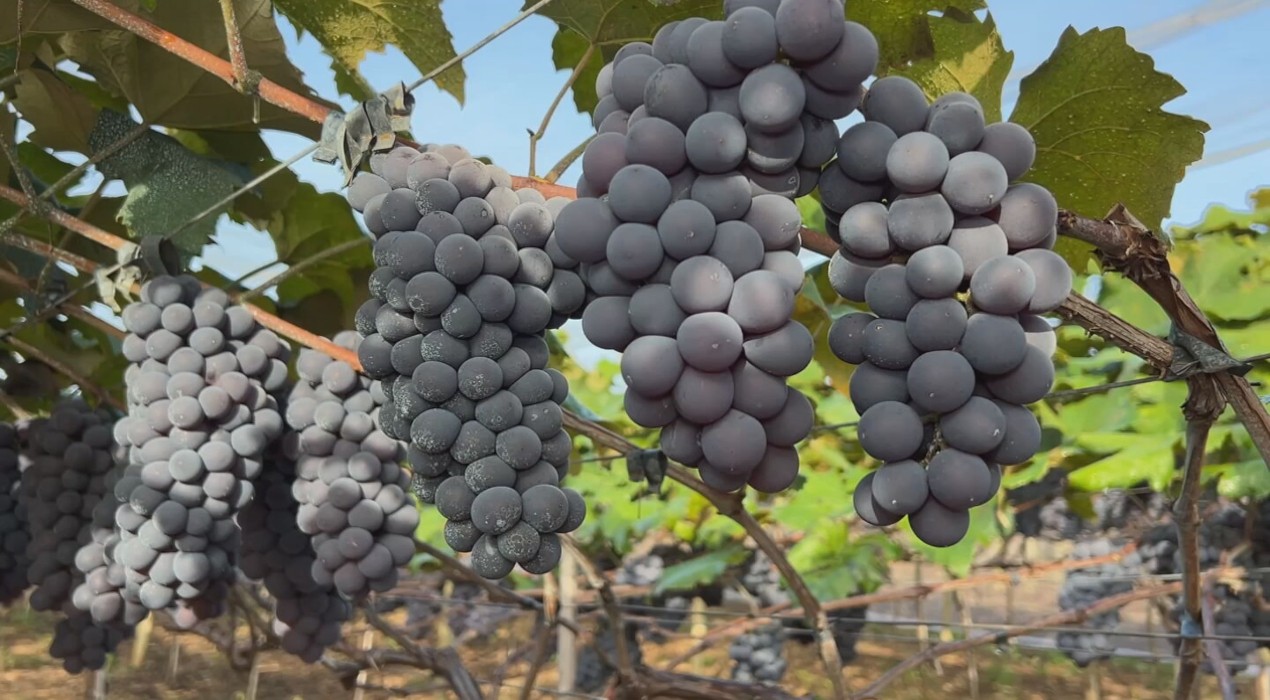
Cooler temperatures in São Paulo's interior are transforming the winter grape harvest, known as 'safrinha,' into a highly profitable venture for local producers. While the main grape harvest occurs in summer, this secondary winter crop is gaining momentum and, in some areas, even surpassing the primary harvest in productivity. Producers like Anderson Tomazeto, who cultivates two and a half hectares, are seeing strong demand for table grape varieties such as Niágara, Núbia, Vitória, and Melodia during this cooler period. The cold weather is credited with enhancing the fruit's quality, resulting in more vibrant colors, a distinct aroma, and a sweeter taste, though cultivation requires specific management for low temperatures. João Leonardo Foga, a third-generation farmer in Itupeva, manages 70,000 grapevines and began his winter harvest in the first week of July. He emphasizes that the winter harvest is crucial for the financial sustainability of his farm. To protect his crop and maintain fruit quality, Foga covers his entire vineyard with protective netting. The locally produced grapes are sold to major urban centers including Campinas, São Paulo, and Belo Horizonte, confirming a robust market and promising significant economic returns for the region's grape farmers.
The success of São Paulo's winter grape harvest highlights the potential for agricultural innovation to capitalize on seasonal climate variations. This 'safrinha' model demonstrates how adaptive farming practices can enhance revenue streams and improve financial resilience for producers, particularly in regions with distinct temperature shifts. The use of protective netting suggests an investment in quality control and risk mitigation, essential for meeting the demands of urban markets. Looking ahead, understanding the interplay between climate, crop management, and market demand will be crucial for optimizing such secondary harvest strategies in the context of evolving agricultural technologies and potential climate change impacts on traditional growing seasons.
AI-generated to prompt reflection — not editorial opinion, not advice, not a statement of fact. How this works.