Winter Mold: Expert Offers Tips to Combat Fungus and Protect Health
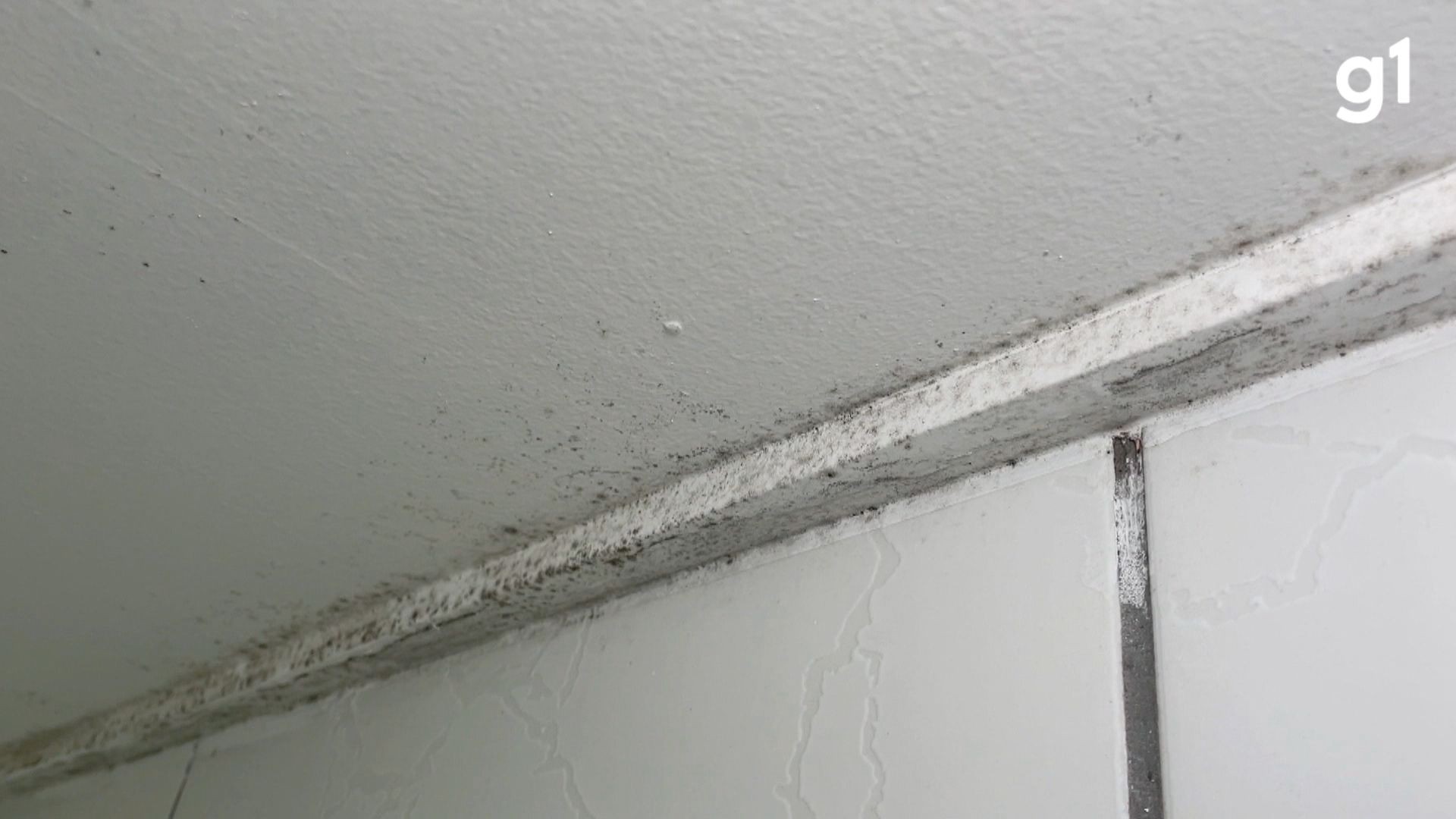
As winter arrives, the combination of cold weather, closed environments, and heating systems creates an ideal breeding ground for mold inside homes. Residents in Caxias do Sul, Serra Gaúcha, are experiencing issues with mold, which not only damages properties but also exacerbates respiratory illnesses. Nutritionist Camila da Rocha, who recently moved to Caxias do Sul, observed mold growth on her bathroom ceiling and near the floor, attributing it to the proximity of a green area that blocks sunlight and retains moisture. Da Rocha, who has a history of asthma and allergies, expressed concern for her respiratory health. Camila Baldasso, a professor of Chemical Engineering at the University of Caxias do Sul (UCS), explained that mold spores are always present in the air but require specific conditions to proliferate, noting that the presence of heat, dust, and moisture facilitates their growth. To manage mold, Baldasso recommends ventilating homes by opening opposite windows for 15 to 20 minutes on sunny days. Practical cleaning and prevention methods include using pure rubbing alcohol sprayed on moldy areas, left for an hour, then wiped with a damp cloth, always using gloves and a mask. Bleach, diluted one-to-one with water, is suitable for tiles and glass but should be avoided on porous surfaces, requiring gloves and a mask due to its toxicity in enclosed spaces. For moisture absorption, calcium chloride spheres can be placed in small containers within wardrobes, and electronic dehumidifiers offer a more significant investment option for reducing air humidity.
The proliferation of mold during winter highlights a common public health challenge exacerbated by modern living conditions, where energy efficiency measures often lead to reduced ventilation. This creates a systemic contradiction: while homes are sealed to conserve heat, they become susceptible to moisture buildup and the associated health risks, particularly for individuals with pre-existing respiratory conditions. The expert's advice focuses on reactive measures and household remedies, which, while practical, do not address the underlying architectural or behavioral factors contributing to indoor humidity. Future housing designs and public health campaigns could explore integrated ventilation systems and educational initiatives that promote proactive moisture management, thereby mitigating the health and property damage associated with mold growth and fostering healthier indoor environments in the long term.
AI-generated to prompt reflection — not editorial opinion, not advice, not a statement of fact. How this works.