Winter Vegetables: Nature's Allies for Health Due to Protective Compounds
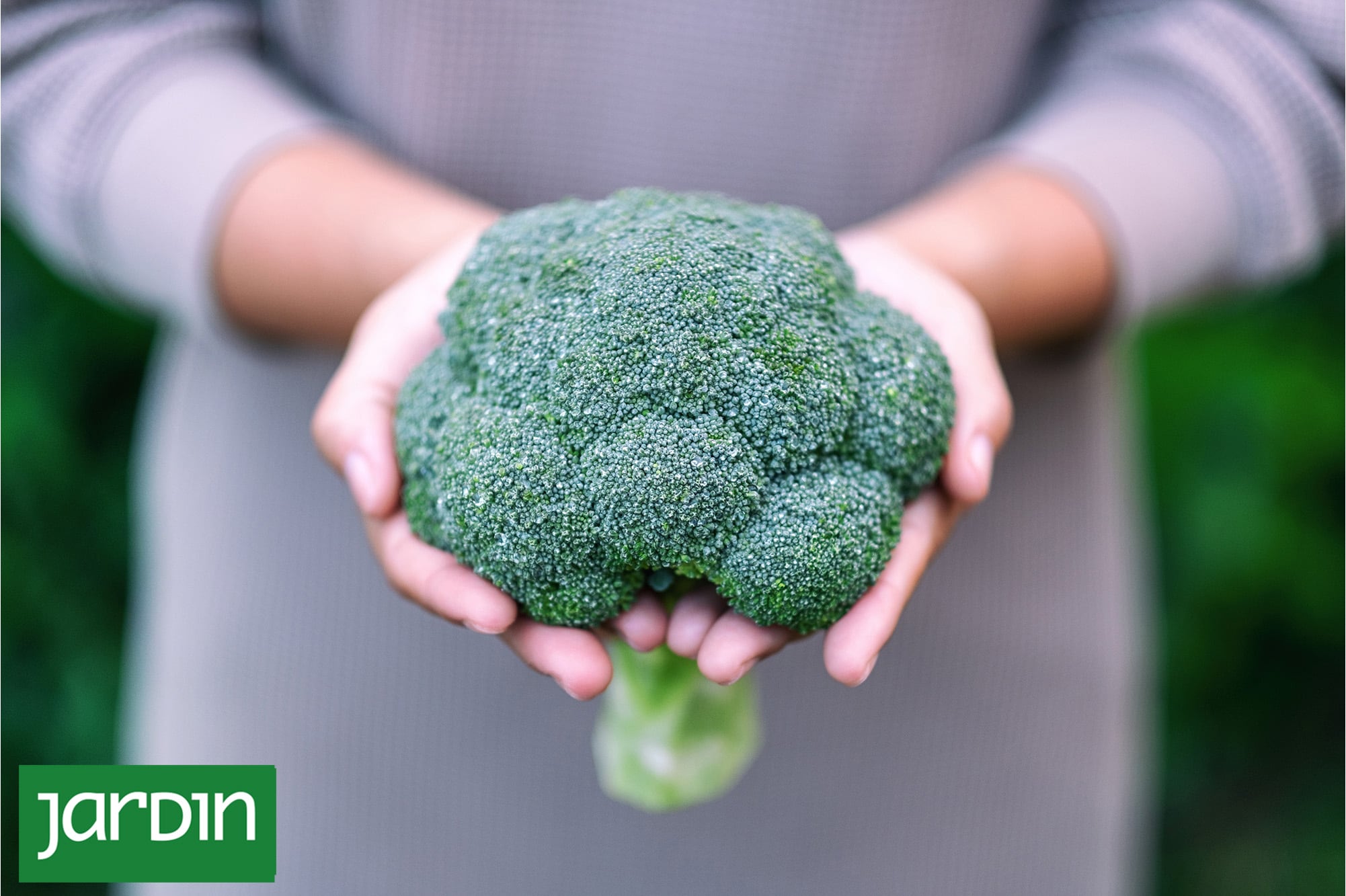
Winter vegetables are considered natural allies for health because they contain protective compounds. These substances are produced by plants as a defense mechanism against environmental stressors such as viruses, fungi, insects, radiation, and cold temperatures. It is precisely these compounds that form the basis of many of the medicinal properties found in these vegetables. By consuming winter vegetables, individuals can benefit from these natural defenses that have evolved in plants. The resilience of these plants in harsh conditions translates into health benefits for humans. This natural fortification within vegetables offers a unique advantage for maintaining well-being during colder months. Understanding this biological process highlights the inherent value of incorporating winter vegetables into a balanced diet.
The inherent defensive mechanisms plants develop to survive environmental challenges, such as cold and pathogens, are the source of their medicinal properties. This biological reality underscores the potential for natural compounds in food to support human health. The efficacy of these plant-based compounds is a function of evolutionary adaptation, offering a sustainable and accessible avenue for wellness. Future research could explore optimizing the extraction and application of these protective substances, considering their role in preventative health strategies within the context of evolving dietary science and agricultural practices.
AI-generated to prompt reflection — not editorial opinion, not advice, not a statement of fact. How this works.