Wisma Lawsuit Concludes, Verdict Expected December 11 on Medical Care Adequacy
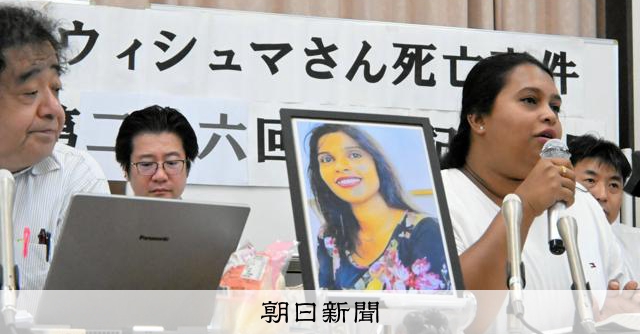
The lawsuit concerning Wishma, a Sri Lankan woman who died while in immigration detention, has concluded its hearings. The final verdict is scheduled to be delivered on December 11. The central issue of the trial revolves around whether the medical care provided to Wishma was appropriate. Her family alleges that she did not receive adequate medical attention during her detention. They claim that her condition worsened significantly due to insufficient care, ultimately leading to her death. The defense, however, may argue that the facility provided the necessary medical services within its capabilities. The court will weigh the evidence presented by both sides to determine if the standard of care met legal and ethical requirements. This case has drawn significant attention to the conditions and treatment of detainees in immigration facilities. The outcome could set a precedent for future cases involving the rights and well-being of individuals in similar circumstances. The proceedings have highlighted the critical importance of timely and effective medical intervention for detainees.
This case highlights the critical intersection of immigration law, detention facility governance, and healthcare provision. The central question of 'adequate medical care' in detention centers is a recurring challenge globally. Detention facilities operate under complex legal and resource constraints, often creating tension between custodial responsibilities and the imperative to provide comprehensive healthcare. The impending verdict will likely scrutinize the specific protocols, staff training, and oversight mechanisms in place at the time of Wishma's detention. Beyond this individual case, the ruling could influence policy discussions regarding the privatization of detention services, the role of independent medical oversight, and the fundamental human rights of individuals awaiting immigration proceedings. The long-term implications may involve reassessing the adequacy of healthcare standards within such facilities to prevent future tragedies and ensure accountability.
AI-generated to prompt reflection — not editorial opinion, not advice, not a statement of fact. How this works.