Witness tells judge water reached three meters when emergency alert sounded
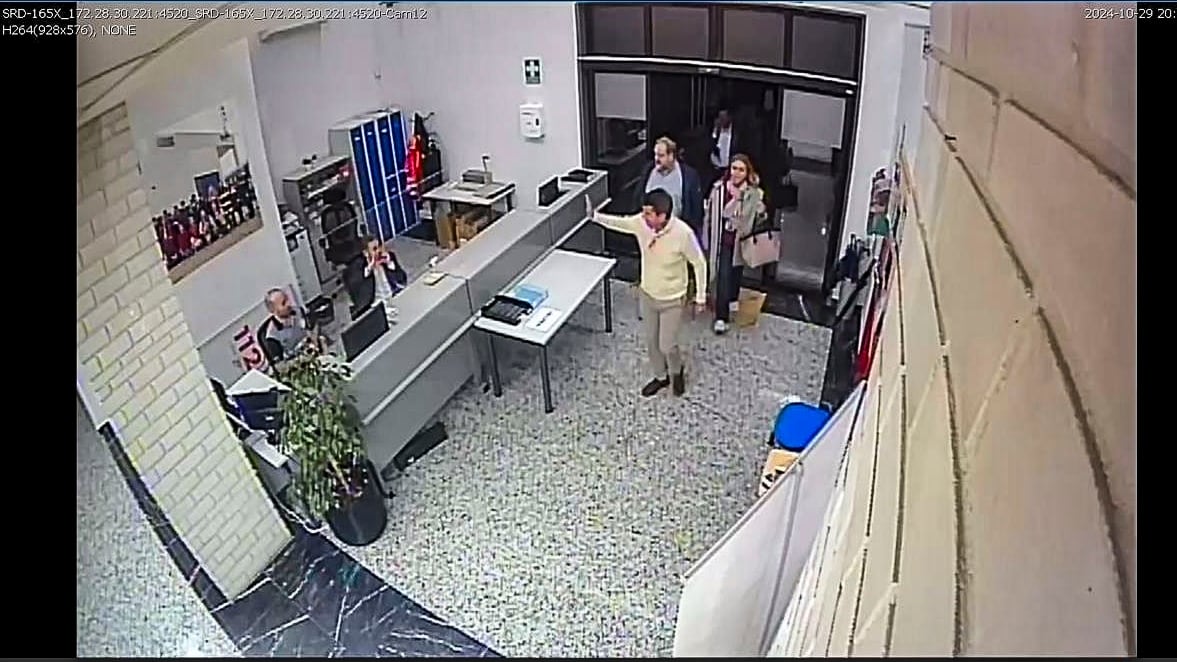
A camera operator for public television testified before an investigating judge that the water levels had reached three meters when the Es-Alert emergency notification was received on her phone. The operator stated that the tragedy was already irreversible at the time the alert was issued. This testimony was given during proceedings related to the DANA (a Spanish acronym for 'Isolated Depression at High Levels'), a severe weather event that caused significant flooding and damage. The operator's account highlights a critical time lag between the onset of the disaster and the official warning system's activation. Her role as a camera operator for public television likely provided her with a unique perspective on the unfolding events. The judge is investigating the circumstances surrounding the DANA and the effectiveness of the emergency response. The testimony suggests potential shortcomings in the timing and efficacy of the early warning system. Further details regarding the specific location and the exact time of the alert were not provided in this statement. The implications of this testimony could influence future emergency preparedness protocols.
The testimony raises critical questions about the responsiveness of emergency alert systems during extreme weather events. The delay between the water reaching a dangerous level and the issuance of the Es-Alert suggests a potential gap in real-time threat assessment or communication protocols. Examining the operational triggers and data processing within the alert system could reveal opportunities for optimization. Future preparedness strategies might benefit from integrating more dynamic environmental monitoring to enable earlier warnings, thereby mitigating irreversible damage. The effectiveness of such systems is paramount in the face of escalating climate-related risks.
AI-generated to prompt reflection — not editorial opinion, not advice, not a statement of fact. How this works.