Woman, 39, Naturally Pregnant with Triplets in Rural São Paulo, a Rare Occurrence
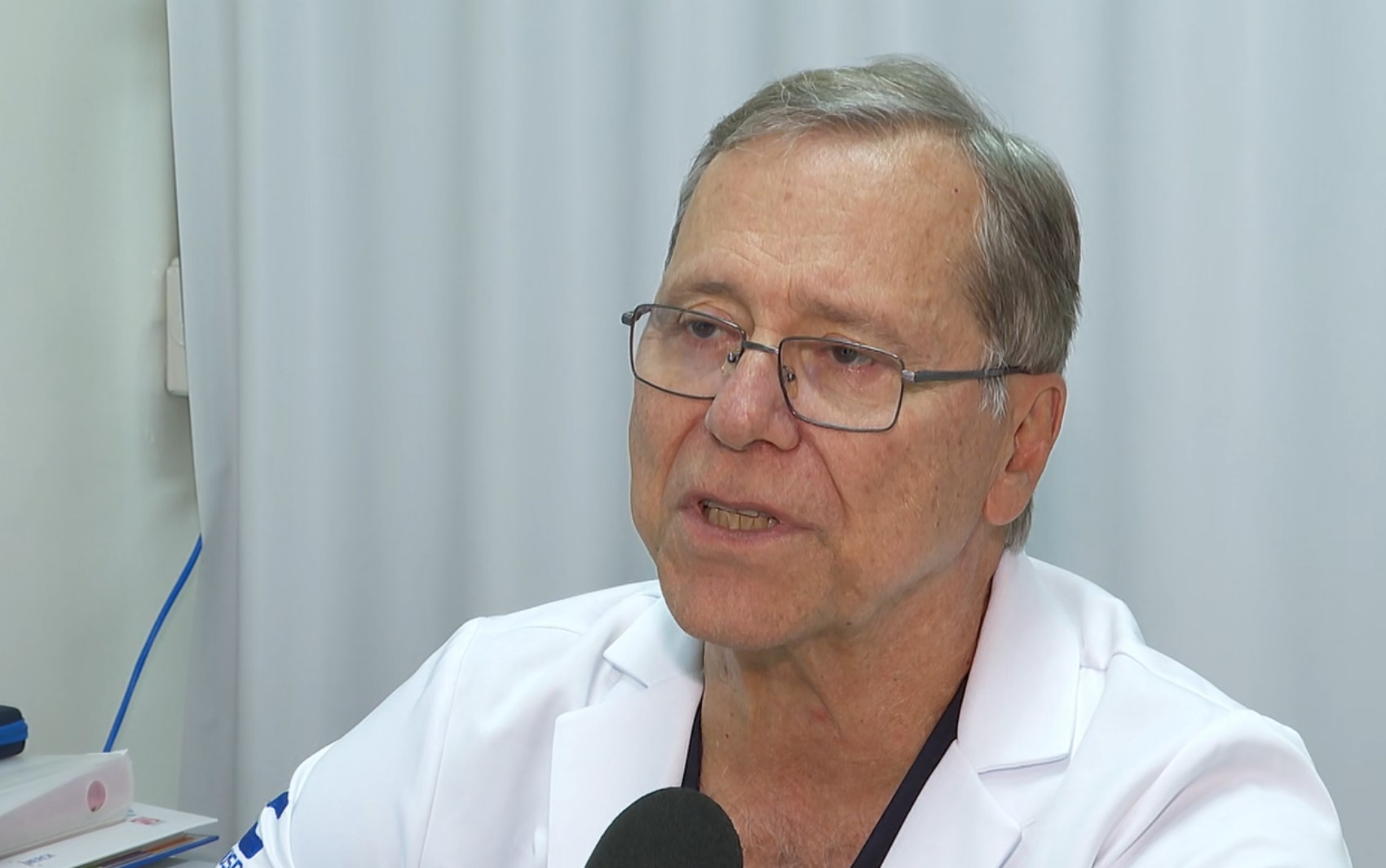
Denise de Souza, a 39-year-old homemaker from Orlândia, São Paulo, is experiencing a rare natural pregnancy with triplets, a phenomenon occurring in approximately one in every 25,000 pregnancies. Dr. Rui Ferriani, head of the Human Reproduction Sector at Hospital das Clínicas in Ribeirão Preto and a professor at the University of São Paulo's Faculty of Medicine, described this as a rare medical event. He noted that such occurrences are more common in women over 35 who have previously had children and have a family history of multiple births, characteristics Denise possesses. She is already a mother to three children, aged 21, 19, and 9, from previous relationships and her marriage. The discovery of the triplet pregnancy, during a routine check-up, deeply shocked Denise and her husband, Rogério Renato de Souza, a 55-year-old mechanic, who were hoping to have another child. Dr. Ferriani explained that triplet pregnancies can arise from multiple egg fertilizations or the division of a single embryo, with definitive determination requiring further tests or post-birth observation. The rarity is amplified because Denise conceived naturally, unlike the increased rates of multiple births associated with fertility treatments. Due to the high-risk nature of multiple pregnancies, including risks of hypertension, pre-eclampsia, and prematurity, Denise has been advised to rest completely and has already experienced significant physical changes. Despite the challenges and the necessary radical adjustments to their family life, the couple is celebrating the impending arrival of their three babies.
This natural triplet pregnancy highlights the statistical rarity of spontaneous multiple births, contrasting with the elevated rates seen with assisted reproductive technologies. The case underscores the biological variability in human reproduction, where factors like maternal age and genetic predisposition can influence outcomes. From a public health perspective, the increased medical risks associated with multiple gestations necessitate intensive prenatal care and robust support systems for the family. The narrative also touches upon societal expectations and the emotional impact of unexpected biological events, prompting reflection on how individuals and healthcare systems adapt to such profound life changes. Looking ahead, understanding the interplay of genetics, environmental factors, and medical interventions in reproductive outcomes remains a critical area for research and clinical practice.
AI-generated to prompt reflection — not editorial opinion, not advice, not a statement of fact. How this works.