Woman alleges scalp shaving during drug test for driver's license in Brazil
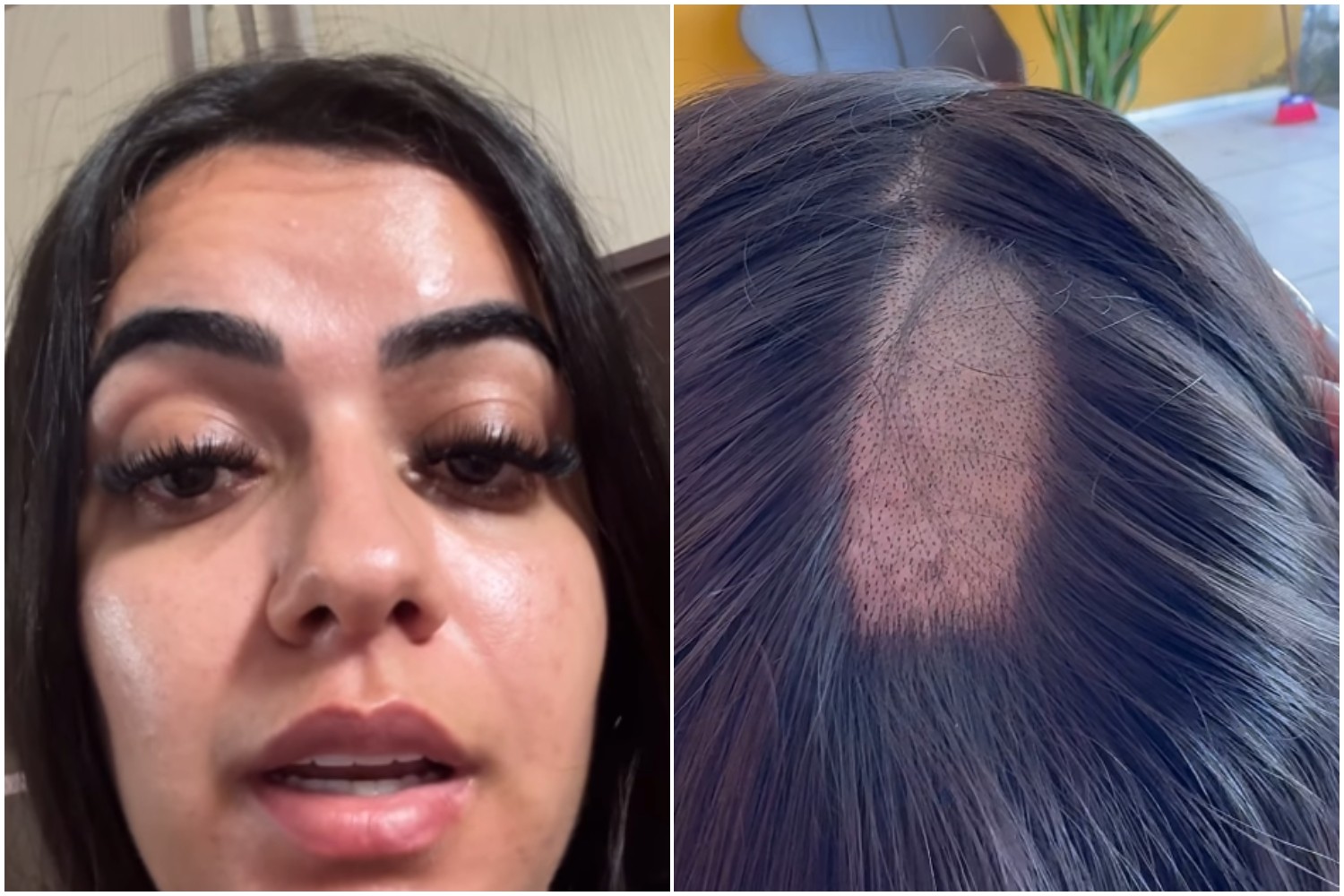
A woman in Paraíba, Brazil, has filed a complaint alleging that a significant portion of her scalp was shaved during a mandatory toxicological examination for her driver's license (CNH). The incident occurred at the Roseanne Dore laboratory in Sapé. According to the woman, Ana Karolina, two large sections of her hair were removed, one from the center and another from the side of her head. The collection had to be repeated because an envelope for the sample was torn. She reported experiencing pain and distress, and stated that a third collection attempt was initiated. Following the public outcry, the laboratory conducted an internal investigation, acknowledged a procedural error, and offered assistance to the patient. The laboratory stated the incident does not reflect their values and apologized for the distress caused. Ana Karolina has since reached an agreement with the lab, which will cover hair treatment, psychological support, and compensation for damages. Experts emphasize that the correct procedure for hair collection requires only a small, thin strand of hair, about half the thickness of a pencil and at least three centimeters long, cut close to the scalp. This minimal amount is sufficient for testing and does not justify visible bald spots or excessive hair removal. Regulations from the National Traffic Council (Contran) and the National Traffic Secretariat (Senatran) outline strict protocols for sample collection, chain of custody, and candidate rights, including receiving results within 15 days and the option for a retest using a second collected sample. In cases of insufficient head hair, samples can be collected from other body hair or, in rare instances, from fingernails or toenails, following specific procedures that do not involve skin removal. The toxicological test, which detects drug use over the past 90 days, requires accredited laboratories to adhere to rigorous technical and quality standards, subject to audits, with penalties for non-compliance.
This incident highlights a critical failure in procedural adherence within a regulated testing environment, impacting a candidate's rights and well-being. The discrepancy between standard protocol, which requires a minimal hair sample, and the alleged excessive removal points to potential issues in staff training, supervision, or a disregard for established guidelines. The laboratory's internal investigation and subsequent offer of assistance suggest an acknowledgment of error, but the systemic implications warrant consideration. Ensuring consistent quality control and robust oversight mechanisms is crucial for maintaining public trust in mandatory testing procedures. The case also underscores the importance of clear communication regarding candidate rights and the consequences of protocol breaches, particularly in sensitive medical procedures.
AI-generated to prompt reflection — not editorial opinion, not advice, not a statement of fact. How this works.