Woman Arrested for Femicide in Ambush; Victim's Partner Sought by Police
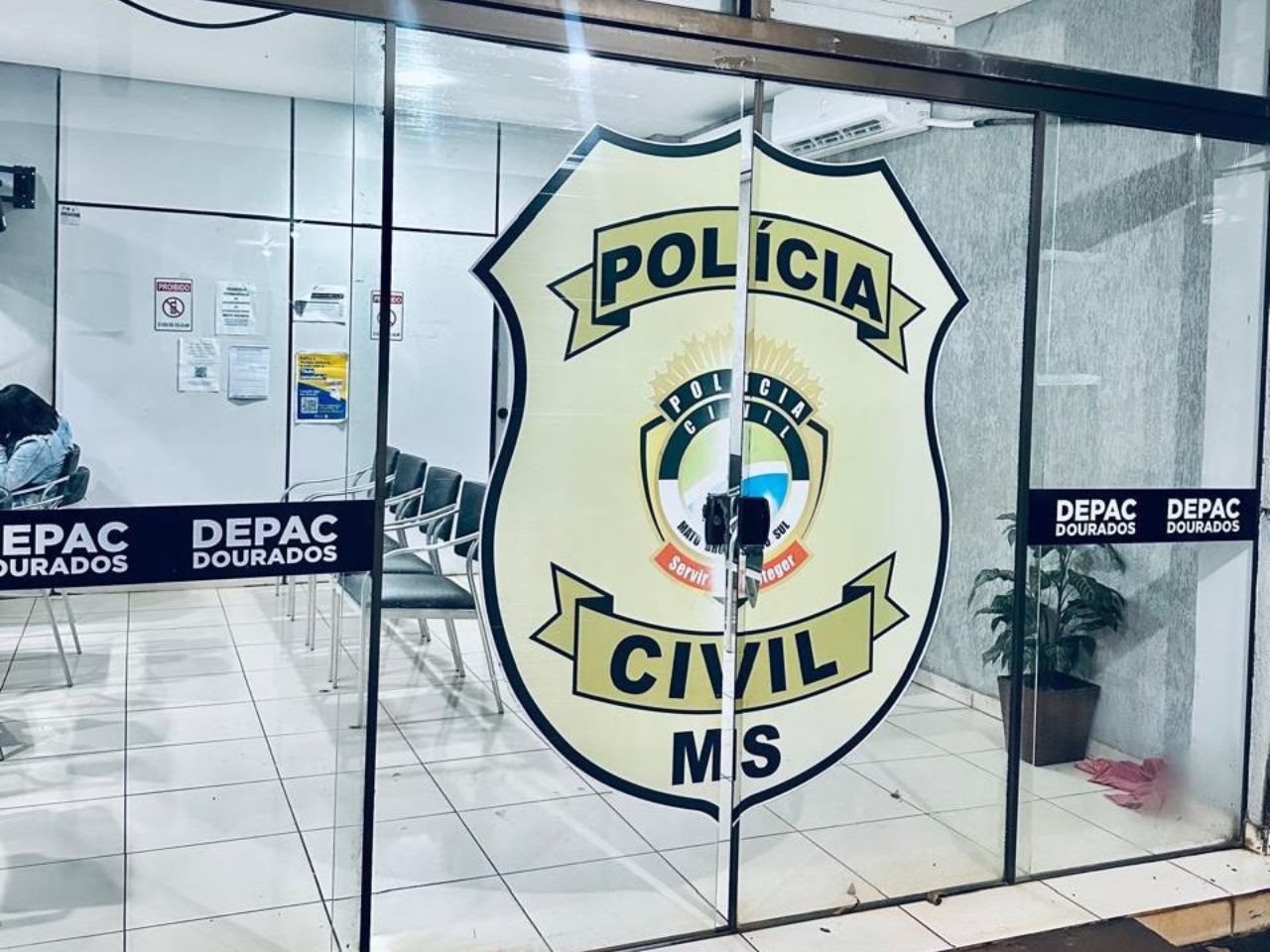
Police in Dourados, Mato Grosso do Sul, Brazil, arrested a 50-year-old woman on Sunday, June 2, on suspicion of committing femicide. The victim, 41-year-old Rose Batista Cabreira, was found deceased with multiple stab wounds in the Aldeia Jaguapiru indigenous community. The victim's current partner is considered a fugitive and is being sought by authorities. This incident marks the 19th femicide recorded in Mato Grosso do Sul in 2026, averaging one death every 11 days. The arrested suspect, Odete Benitas, confessed to the crime, stating she acted out of revenge, believing Cabreira was responsible for her brother's death. Benitas also implicated her ex-husband, who was reportedly in a relationship with the victim, claiming he helped plan the ambush. According to her statement, the ex-husband brought Cabreira to the agreed-upon location by motorcycle, where Benitas was waiting. Benitas stated that during the attack, the ex-husband attempted to restrain her but failed. The crime was allegedly planned for days, with an initial attempt on Sunday, May 26, which was abandoned due to a lack of courage. A second attempt was planned for Saturday, June 1, but was executed on Sunday, June 2. Benitas reportedly inflicted four stab wounds to Cabreira's face and underarm area before the victim fell from the motorcycle and died. The murder weapon has not been recovered, as Benitas claims she gave it to her daughter to hide. Investigations are ongoing to locate the fugitive partner and determine his level of involvement, potentially leading to charges of homicide if complicity in the planning and execution is confirmed.
This femicide case highlights the complex interplay of personal vendettas and domestic relationships within a community. The alleged involvement of the victim's partner in both the planning and execution of the crime suggests a potential breakdown in interpersonal trust and security structures. The motive of revenge, stemming from a prior death, points to cyclical patterns of violence that may require broader community intervention beyond law enforcement. Future efforts could focus on restorative justice initiatives and support systems for individuals experiencing relationship conflict or seeking to break cycles of retribution, particularly within vulnerable communities. The failure to recover the murder weapon underscores the challenges in evidence gathering and the potential for further complicity or obstruction of justice.
AI-generated to prompt reflection — not editorial opinion, not advice, not a statement of fact. How this works.