Woman Arrested in Salvador for Vandalizing Candomblé Temple with Racist Graffiti
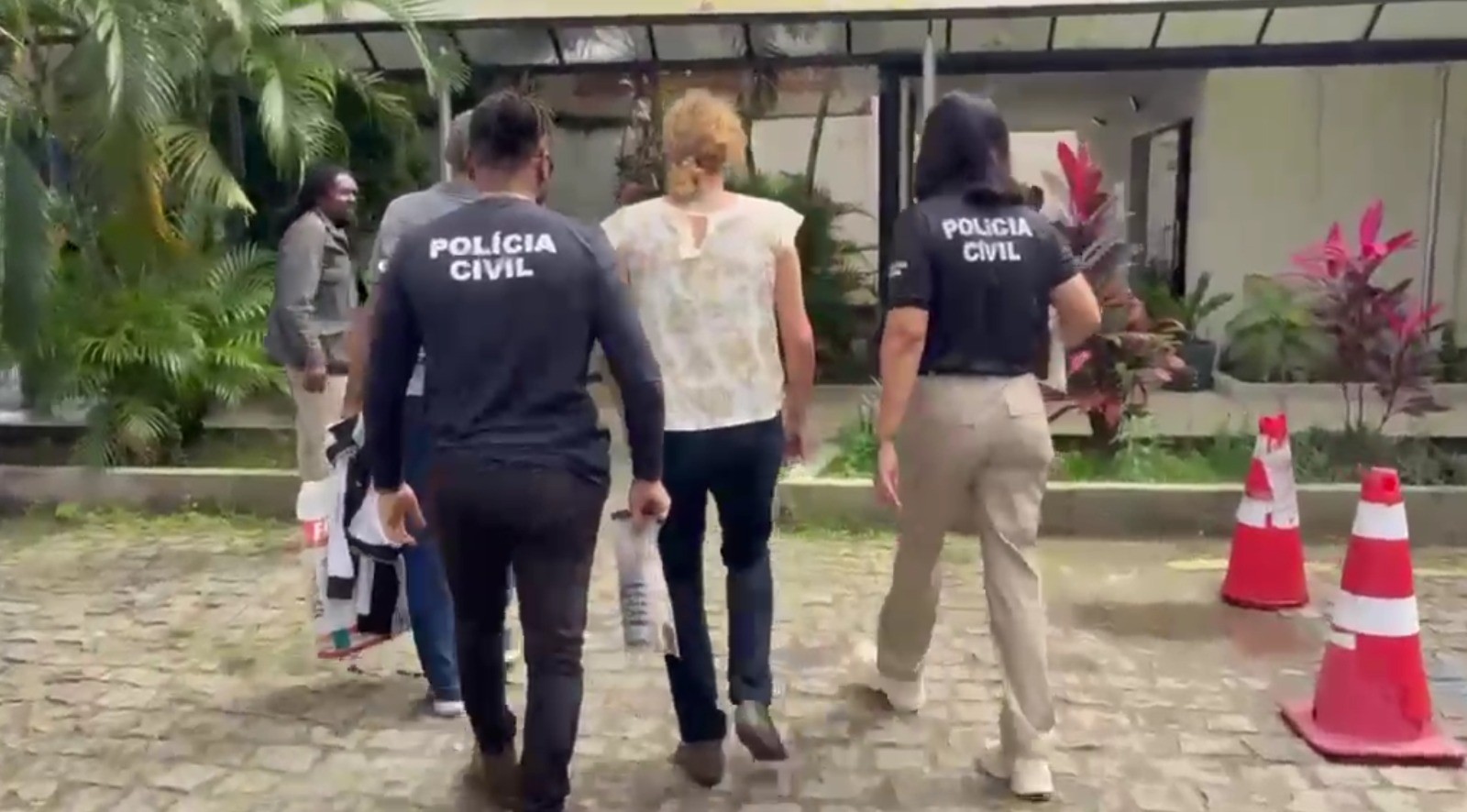
A 45-year-old woman, identified as Soraia Mascarenhas Neves, was arrested on Monday, June 6th, in the Pituba neighborhood of Salvador, Bahia, Brazil. She is suspected of religious racism and qualified damage for vandalizing a Candomblé temple in the Cajazeiras XI neighborhood. The incident occurred in January of this year when the temple's facade and entrance gate were spray-painted with red paint, bearing the words "assassins" and "Jesus." Civil Police investigations, including video surveillance analysis and evidence collection, led to the suspect's identification and the subsequent judicial measures. During the operation, authorities also executed a search and seizure warrant, confiscating two cell phones, agendas, and a laptop. The suspect has undergone legal examinations and is currently in the custody of the Justice system. The investigation is being handled by the Specialized Police Station for Combating Racism and Religious Intolerance (DECRIN), which is part of the Department for the Protection of Women, Citizenship, and Vulnerable Persons (DPMCV). The targeted temple, Nzo Mutá Lombô Ye Kayongo Toma Kwiza, has been in operation for 33 years. The babalorixá, Pai Mutá, reported that the vandalism was discovered around 7 AM by a member of the temple. The attack involved covering the pedestrian gate, intercom, and mailbox with red paint. Pai Mutá stated this was the first such attack on the temple, emphasizing its history of respectful community relations and social work.
This incident highlights the persistent challenge of religious intolerance and hate crimes within Brazil, particularly targeting Afro-Brazilian religions like Candomblé. The arrest and subsequent investigation by specialized police units demonstrate a commitment to addressing such offenses. However, the underlying societal issues that fuel religious racism require sustained public policy interventions focused on education and cultural understanding. Moving forward, strengthening legal frameworks and ensuring swift judicial processes for hate crimes will be crucial. The case also underscores the importance of community resilience and the role of religious leaders in advocating for protection and fostering interfaith dialogue to prevent future occurrences and promote a more inclusive society.
AI-generated to prompt reflection — not editorial opinion, not advice, not a statement of fact. How this works.