Woman Assaulted by Partner After Demanding R$300 PIX Transfer Back in Roraima
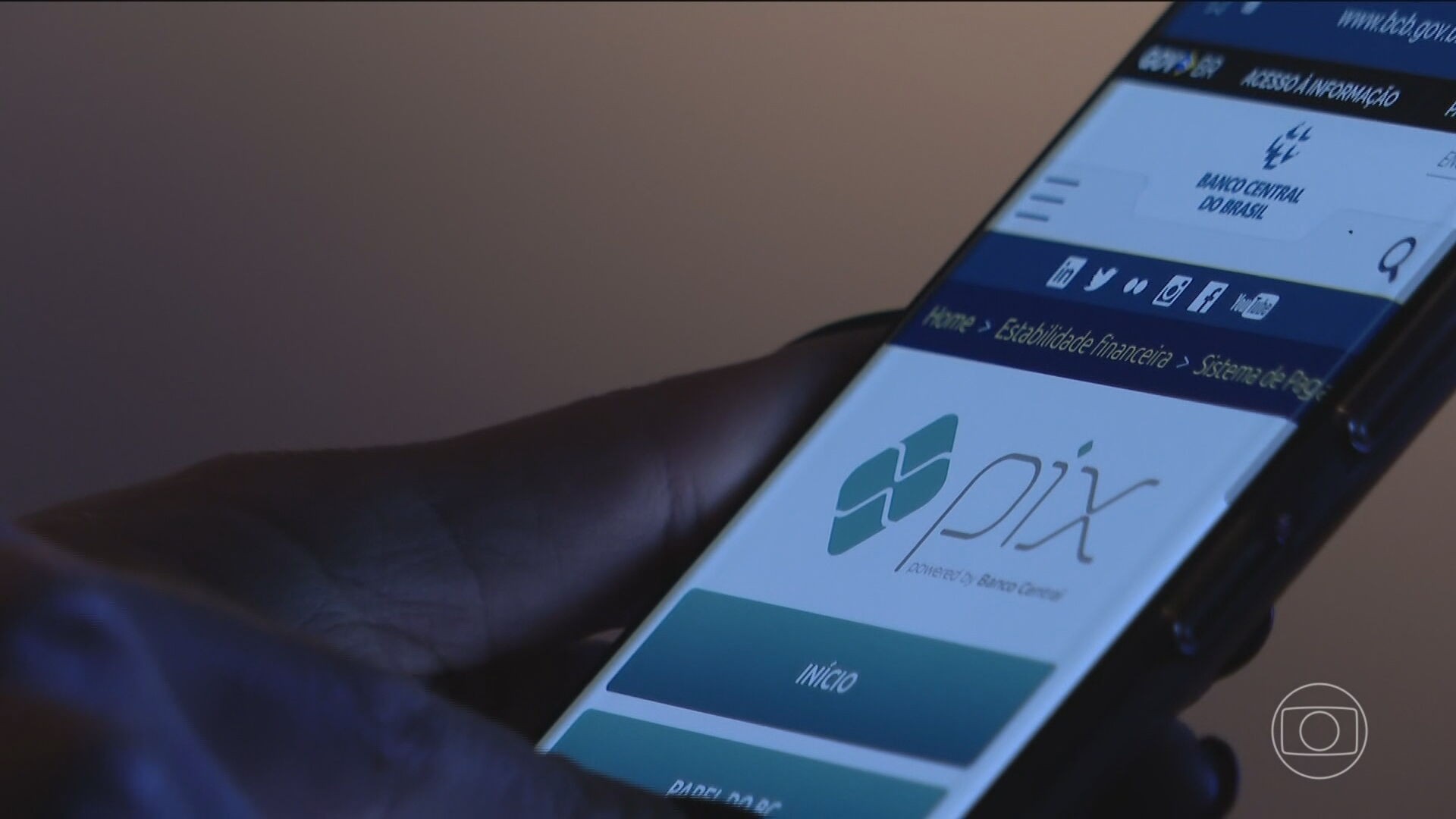
A 27-year-old woman in Boa Vista, Roraima, reported being physically assaulted by her partner after requesting the return of R$300 transferred via PIX. The incident occurred on Wednesday, May 8th, in the Jardim Floresta neighborhood. According to her statement to the Military Police, the altercation began when she asked her partner to transfer back money that was hers but held in his bank account. He allegedly refused to send the funds, leading to the assault. The victim stated that one blow caused her to hit her head against a wall, resulting in a swollen forehead. The couple has been together for approximately five years. The woman also reported that for the past four months, her partner has been trying to force her out of their home, claiming she is unfit to care for their 3-year-old child and demanding she leave without the child. The partner denied the aggression, telling officers he did not make the transfer because the woman had allegedly broken his phone days prior and he was unsure if the money belonged to her. The suspect was handcuffed and taken to the police station with the victim. The case was registered as intentional bodily harm in the context of domestic violence.
This incident highlights a critical intersection of financial disputes and domestic violence, exacerbated by digital payment systems. The partner's refusal to return funds, coupled with his claims about a broken phone and disputed ownership, suggests a potential pattern of control or financial coercion. The legal classification as intentional bodily harm within domestic violence underscores the severity of the act. Future considerations should include the role of financial interdependence and communication breakdowns in intimate relationships, particularly in the context of rapid digital financial transactions. Understanding these dynamics is crucial for developing effective support systems and preventative measures against gender-based violence.
AI-generated to prompt reflection — not editorial opinion, not advice, not a statement of fact. How this works.