Woman Assaulted, Seeks Help, Refuses Protection, and is Assaulted Again in Brazil
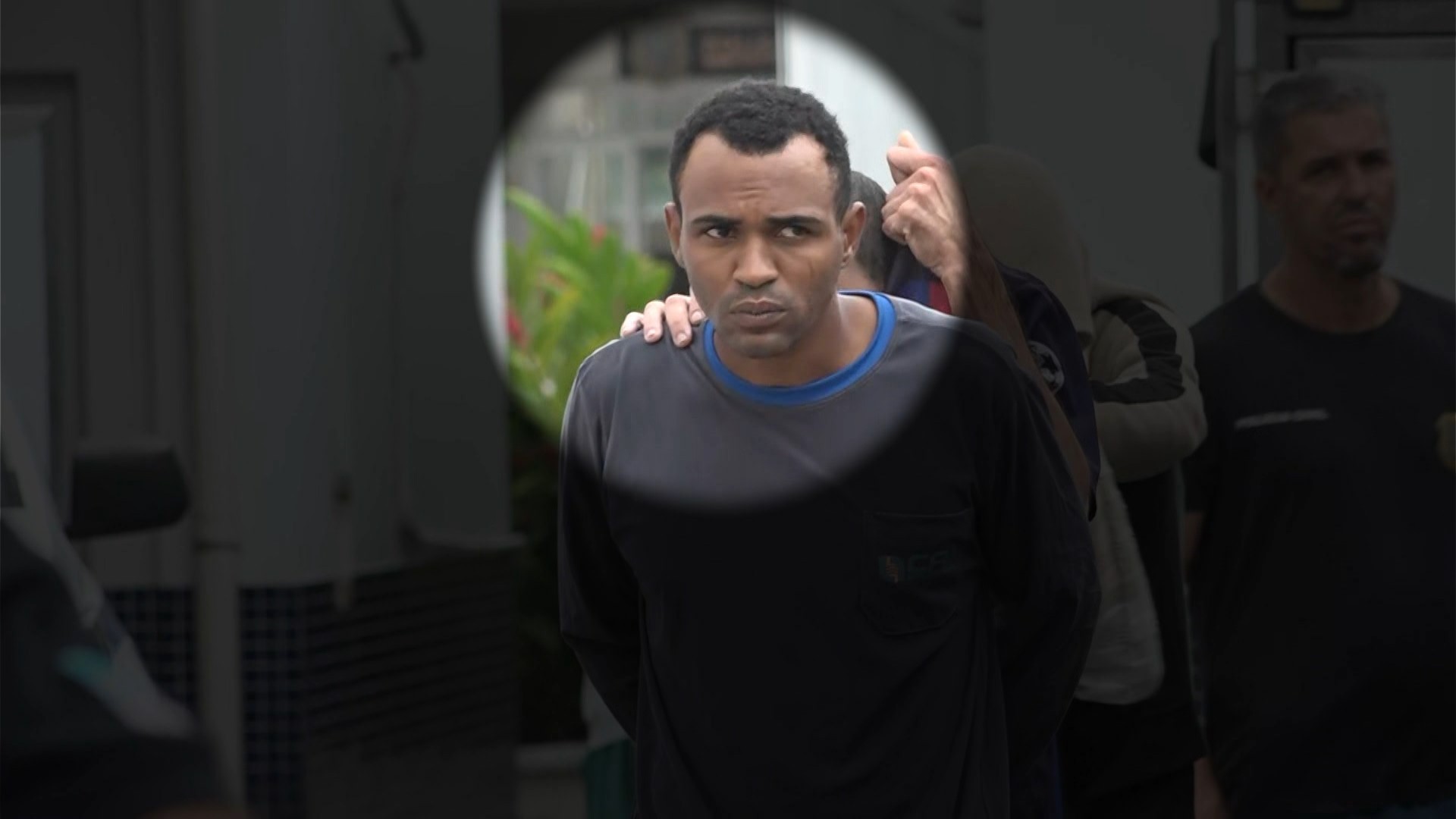
In Cariacica, Espírito Santo, Brazil, a 26-year-old woman was arrested after allegedly assaulting her partner, Wenderson Nunes Cantilho, 33. The incident began when the woman sought help at the Cobilândia UPA in Vila Velha, presenting with a nasal injury. She informed social workers that she was a victim of frequent domestic abuse by Cantilho. Police visited his workplace but did not find him. The woman was then taken to the Heue hospital in Vitória but left before receiving treatment. She later contacted authorities, stating she was at her mother's home. During a conversation with the Guarda, she was informed about available resources for domestic violence victims, including protective measures and social housing assistance, but declined them at that time. Later that day, she contacted the Guarda again, reporting that she had returned home and that her partner remained aggressive. According to the police report, Cantilho threw an ashtray at her during an argument. Despite the couple residing in Cariacica, the arrest was made by the Vila Velha Municipal Guard. Cantilho was taken to the Cariacica Regional Police Station, where he was charged with aggravated bodily harm, aggravated insult, and aggravated threat under the Maria da Penha Law, and subsequently remanded into custody.
This case highlights the complex challenges in addressing domestic violence, particularly when victims face barriers to accessing support systems or feel compelled to return to abusive environments. The legal framework, such as the Maria da Penha Law, provides tools for protection, yet its effectiveness hinges on victim cooperation and the consistent availability of safe alternatives. The repeated cycle of abuse and the victim's initial refusal of protective measures underscore the psychological and social pressures that can impede escape from violent relationships. Future interventions may benefit from enhanced psychological support and community-based programs that address the underlying factors contributing to victim vulnerability and perpetrator behavior, aiming to break the cycle of violence.
AI-generated to prompt reflection — not editorial opinion, not advice, not a statement of fact. How this works.