Woman Bitten Twice by Bats in Rural Mato Grosso do Sul; Vampire Bat Captured
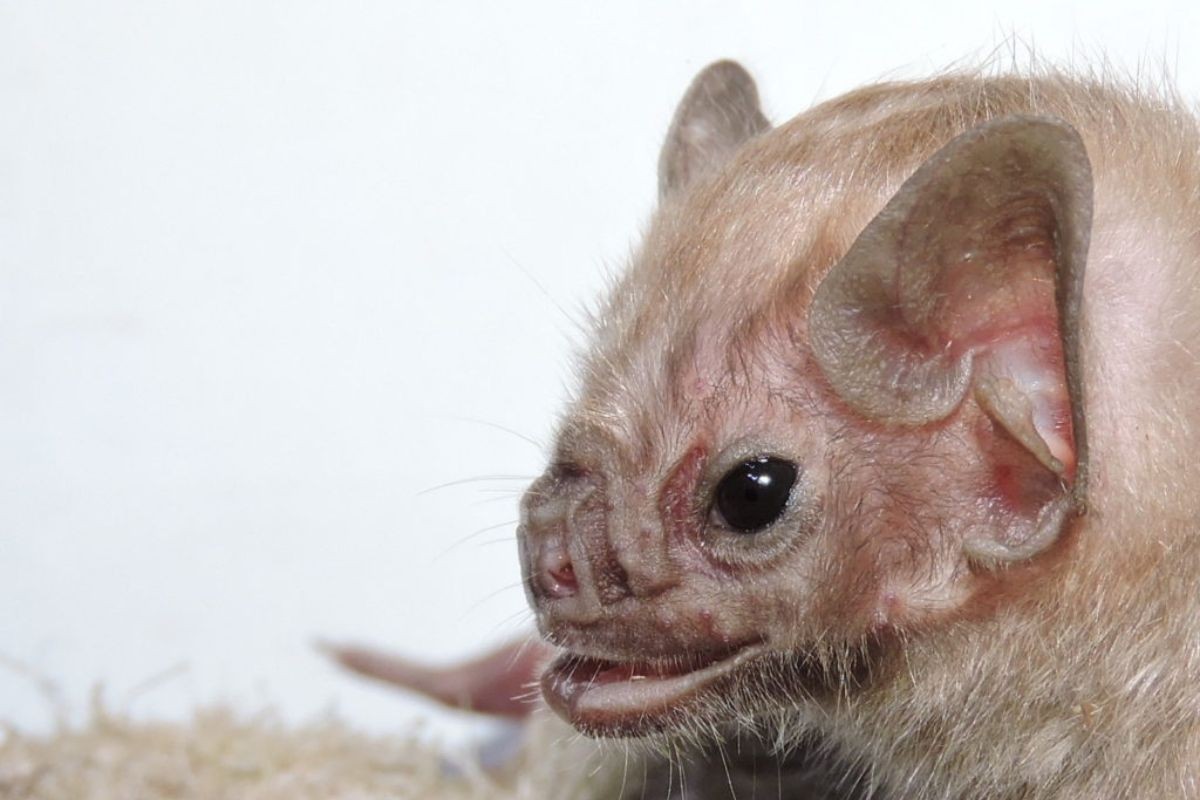
A woman in the rural area of Paraíso das Águas, Mato Grosso do Sul, was bitten twice by bats in June. The incident was reported by the State Agency for Animal and Plant Health Defense (Iagro) on Wednesday, June 29th. Following the attack, the victim sought medical attention, though her current health status has not been disclosed by the agency. Iagro's rabies control team investigated the case, inspecting animals and potential bat habitats. During their investigation, a vampire bat was captured. Although the captured bat did not undergo laboratory testing, a specific paste was applied to it, which is intended to be transmitted to other bats in its colony, aiding in population control in the region. Iagro advises that in case of a bat bite or attack, wounds should be immediately washed with soap and water, medical attention sought, and Iagro notified. Rural residents are particularly cautioned to be vigilant as hematophagous bats often inhabit these areas. Rabies is an incurable disease in humans and animals once symptoms appear. For livestock, prevention includes vaccination in high-risk areas and reporting potential bat roosts to Iagro. Iagro provides a "Rabies Dashboard" on its website for identifying at-risk properties or disease hotspots. Animals exhibiting behavioral changes such as difficulty walking, prolonged lying down, or death within three to seven days of symptom onset may have rabies, and should not be handled but reported to Iagro. The agency emphasizes that reporting suspected cases or bat shelters does not incur fines or property closures, but aids in disease control and public health protection.
This incident highlights the ongoing challenge of managing zoonotic diseases like rabies in areas where human and wildlife populations overlap. The capture and treatment of the vampire bat, while not involving laboratory confirmation, represents a public health intervention aimed at mitigating disease transmission. The Iagro's proactive approach, including public awareness campaigns and a data dashboard, demonstrates a commitment to disease surveillance and control. However, the reliance on indirect treatment methods for bats, rather than direct testing, may warrant further investigation into its long-term efficacy and potential for undetected spread. Future strategies could explore enhanced monitoring of bat populations and their health, alongside continued emphasis on prompt human medical intervention and reporting, to build more resilient public health systems against potential outbreaks in the face of evolving environmental and ecological pressures.
AI-generated to prompt reflection — not editorial opinion, not advice, not a statement of fact. How this works.