Woman Charged with Defrauding Elderly Farmers of Over R$23,000 in Piauí
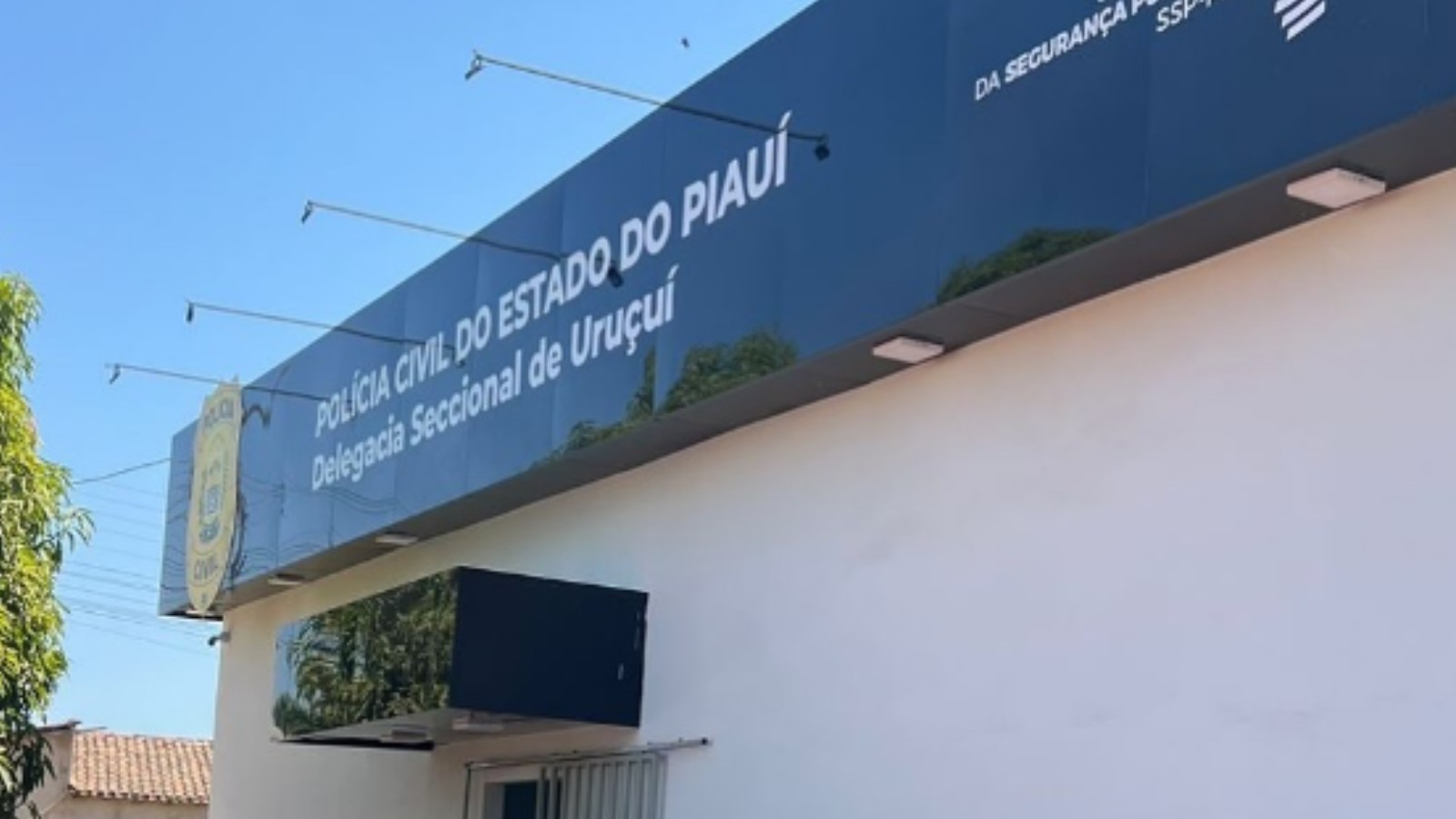
Authorities in Uruçuí, Piauí, have concluded an investigation into an electronic fraud scheme targeting elderly farmers, leading to the indictment of a woman on charges of aggravated fraud against the elderly. The case, which occurred in the rural area of Uruçuí in southern Piauí, resulted in a financial loss exceeding R$23,000. The investigation, initiated over a year ago by Delegate Marcos Halan of the 1st Civil Police Station of Uruçuí, uncovered that the suspect, identified by the initials P.F.M.S., exploited a relationship of trust with a 65-year-old and a 69-year-old illiterate farming couple. She offered to assist them with their social security benefits withdrawals. The police determined that the woman installed the bank's application on her own mobile phone and subsequently managed the farmers' bank accounts without their knowledge or consent. The delegate stated that she also took out payroll-deducted loans in the victims' names, with installments directly debited from their benefits. Furthermore, the investigation revealed that the suspect allegedly misappropriated the farmers' 13th-month salary payments and made frequent Pix transfers to her own bank accounts. The total financial damage identified by the police amounts to over R$23,400. Technical expertise and audit reports from the financial institution, which identified the mobile phone and IP address used in the transactions, supported the police's findings. The case file also includes an extrajudicial confession from the suspect and has been forwarded to the State Public Ministry of Piauí (MPPI) and the Judiciary for further legal proceedings.
This case highlights vulnerabilities in financial access and digital literacy, particularly for elderly and illiterate populations. The suspect allegedly leveraged a position of trust and technological disparity to perpetrate fraud, indicating a need for enhanced consumer protection measures and financial education programs tailored to at-risk demographics. The involvement of a financial institution's audit reports and technical forensics underscores the evolving landscape of digital crime and the importance of robust investigative tools. Moving forward, regulatory bodies and financial service providers may consider implementing multi-factor authentication for sensitive transactions, proactive fraud monitoring systems, and accessible channels for reporting suspicious activities, thereby strengthening the digital financial ecosystem against exploitation.
AI-generated to prompt reflection — not editorial opinion, not advice, not a statement of fact. How this works.