Woman Denounces Hair Sample Mishandling During CNH Toxicological Exam in Brazil
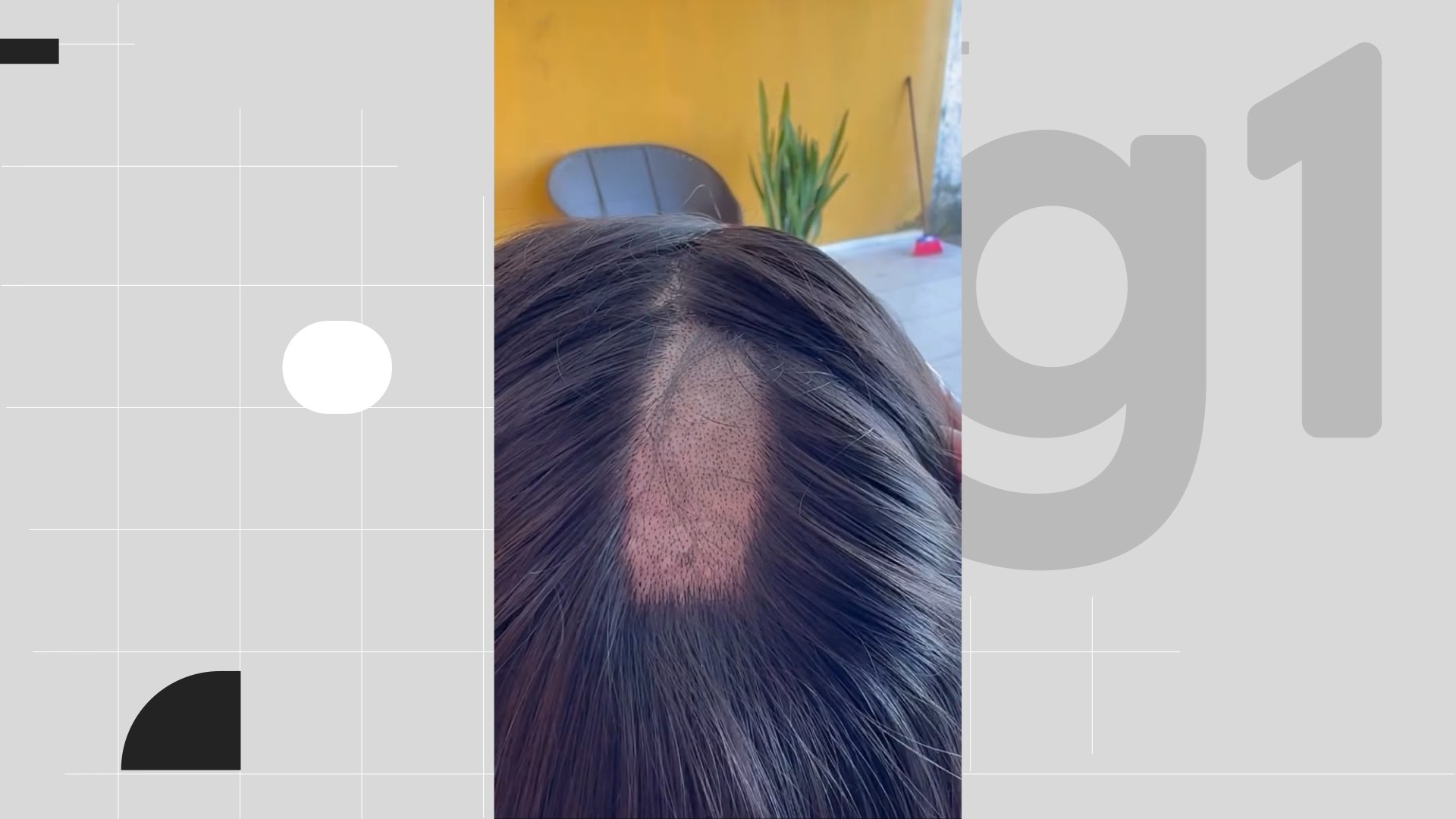
A woman in Sapé, Paraíba, Brazil, has publicly denounced a distressing incident that occurred during a mandatory toxicological exam required for obtaining a driver's license (CNH). The incident, which took place on Saturday, November 11th, involved the alleged improper collection of her hair sample. According to her social media account, the laboratory professional extracted two large portions of hair, one from the center and another from the side of her head, causing her pain and affecting her self-esteem. The woman stated that the procedure was supposed to involve a single, smaller hair sample collection. She was informed that a second extraction was necessary because the initial envelope used to store the sample had been torn. She questioned the need for a third extraction, but the professional insisted, citing potential issues with the sample. The woman eventually agreed to the repeated collection, though she later discovered the extent of the hair removed. She expressed that the procedure was unnecessarily aggressive and painful. Following the public outcry, the laboratory admitted to an internal investigation that revealed a procedural error, stating it does not reflect their values and apologizing for the incident. They claimed to have contacted the patient for assistance, a statement the woman refuted, asserting she received no support. She indicated her intention to file a police report. Since May, obtaining a driver's license in Brazil requires a negative toxicological exam, a rule extended to candidates for first-time licenses across all categories, not just commercial ones. The exam, typically using a hair sample, detects psychoactive substance use over approximately 90 days and must be conducted by Senatran-accredited laboratories.
This incident highlights potential systemic weaknesses in the implementation of mandatory driver's license toxicological testing. While the intent is to enhance road safety by screening for substance abuse, the reported mishandling of the hair collection process raises concerns about procedural adherence and quality control at accredited laboratories. The woman's distress and the laboratory's subsequent admission of error underscore the need for robust oversight mechanisms to ensure that essential public health screenings are conducted with professionalism and respect for individual dignity. Future iterations of such regulations should prioritize standardized training for phlebotomists, clear protocols for sample integrity, and accessible grievance procedures for individuals experiencing procedural failures. This incident serves as a cautionary example of how well-intentioned public policy can falter due to operational deficiencies, potentially eroding public trust and requiring corrective action to maintain both safety and ethical standards.
AI-generated to prompt reflection — not editorial opinion, not advice, not a statement of fact. How this works.