Woman Fights to Erase Mother's Name from All Official Documents
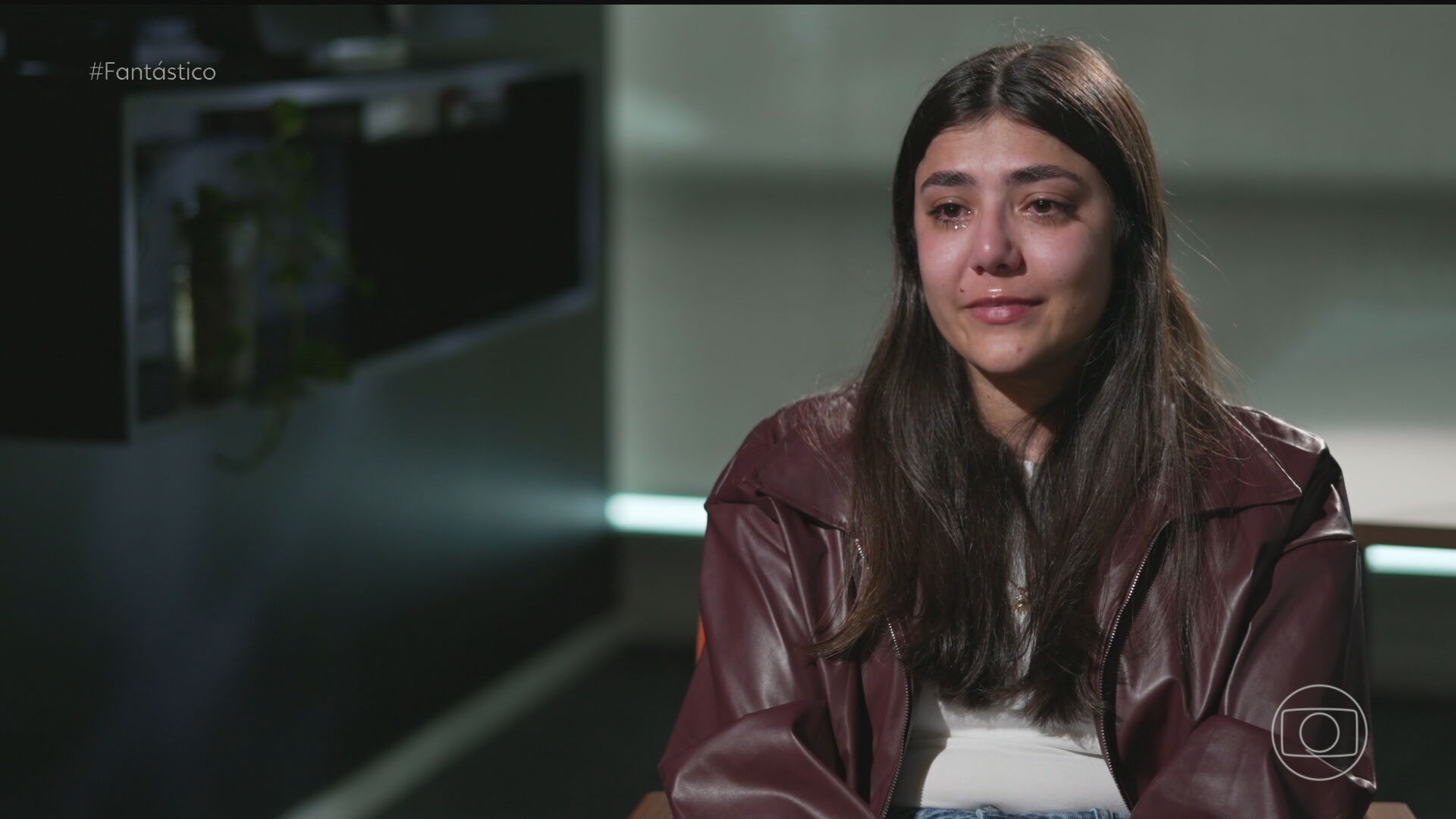
Heloísa Rodrigues, a 28-year-old biomedical scientist and economics student, is engaged in a legal battle to remove her mother's name from all her official documents. This action is an attempt to sever ties with a past Heloísa describes as marked by violence, mistreatment, and sexual abuse during her childhood and adolescence. In 2024, she successfully changed her first name from Larissa and removed her maternal surname, but her request to also exclude her mother's name from civil records, including her birth certificate, was denied. Heloísa states that official documents requiring her mother's name, such as hospital wristbands, force her to confront a maternal relationship she feels does not reflect her lived experience, famously stating, "I never received a hug." She even declared she would rather have no mother than be the daughter of the woman who raised her.
Heloísa alleges a history of physical abuse starting in childhood, which escalated after her parents' separation when she was five. She reported her mother to the Tutelage Council for mistreating siblings, and her father sought psychological help for her due to depression. Beyond physical abuse, Heloísa claims she suffered sexual abuse from age nine, asserting her mother ignored her initial reports and later facilitated further abuse. She provided evidence, including videos and audio, which led to the investigation and conviction of two men for sexual violence against her and her sisters, though they are appealing their sentences. Her mother was heard only as a witness in these criminal proceedings. Despite the court recognizing the severity of her claims and allowing her name change, the judge denied the removal of her mother's name, citing a lack of legal precedent to erase biological maternity, which is considered a historical and biological fact.
Heloísa's defense is appealing, arguing that Brazilian law accommodates various forms of parentage and civil records are adapting. Legal experts are divided; some support flexibility in exceptional cases of proven violence, while others caution about legal certainty. A precedent exists in Espírito Santo, where a court allowed the removal of a mother's name from adult children's records following abuse allegations. In 2025, Heloísa filed a new complaint against her mother for domestic violence, stalking, and complicity in abuse, resulting in a protective order. The mother denies all accusations, claiming Heloísa fabricated stories. Heloísa, now working at a bank and living with her partner, views removing her mother's name from documents as a crucial step in her personal reconstruction.
This case highlights the complex intersection of personal trauma, legal frameworks, and the evolving understanding of family identity. While the legal system has evolved to accommodate diverse family structures and recognize the impact of abuse, the specific request to erase a biological maternal link from official records presents a significant challenge to established civil registry principles. The court's decision reflects a tension between the legal recognition of historical and biological facts and the individual's right to self-determination and freedom from past trauma. Future legal considerations may need to balance the state's interest in maintaining accurate and immutable vital records with the profound psychological needs of individuals seeking to redefine their personal history and sever ties with abusive familial relationships. This situation underscores the limitations of current legal paradigms in addressing deeply entrenched emotional and psychological harm stemming from familial abuse, prompting a broader societal discussion on how justice and healing can be facilitated beyond punitive measures.
AI-generated to prompt reflection — not editorial opinion, not advice, not a statement of fact. How this works.