Woman Found Dead in Stream: Police Investigate as Homicide, Possible Feminicide
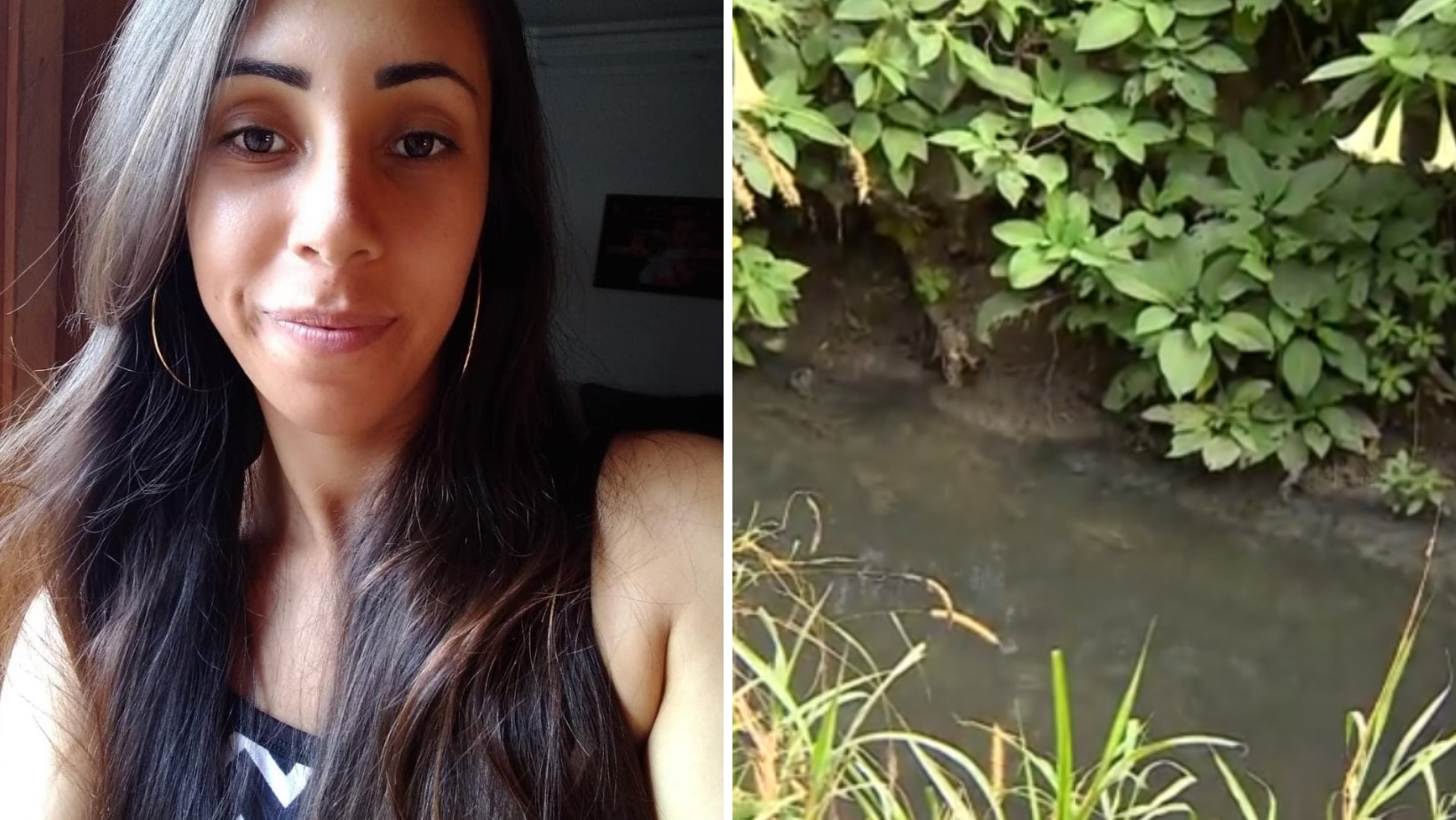
Vanessa de Oliveira, a 33-year-old radiology technician and mother of a 9-year-old girl, was found deceased in a stream on the rural border between Tremembé and Taubaté, Brazil, after being missing for a week. She was unemployed at the time of her death and lived with her mother in Taubaté. Her family reported her missing on Tuesday, March 28th, after she left her home in a car with friends and did not return. Initial searches by her family in hospitals and the medical examiner's office yielded no information. The investigation gained traction when police discovered Vanessa's car completely burned in a rural area of Tremembé, leading them to concentrate their search efforts in that vicinity. On Monday, April 3rd, her body was found in a stream along Estrada Municipal Benedito Barreto de Moraes. Authorities reported that Vanessa's body showed signs of violence, including injuries to her thoracic and cervical regions, and a wound on her left hand. The body was sent to the Taubaté Institute of Legal Medicine for examination, with the autopsy report expected to take up to 30 days. The Civil Police are investigating the case as a homicide and have not ruled out feminicide. As of the latest update, no arrests have been made. Due to the condition of her body, there will be no wake, and her burial is scheduled for Tuesday, April 4th, at the Municipal Cemetery of Taubaté.
The tragic death of Vanessa de Oliveira, found with signs of violence after a week-long disappearance, highlights critical public safety concerns. The investigation, focusing on homicide and potentially feminicide, underscores the persistent challenges in addressing gender-based violence. The discovery of her burned vehicle suggests a deliberate attempt to conceal evidence, complicating the pursuit of justice. This case prompts reflection on the systemic support structures available for missing persons and victims of violence, and the effectiveness of law enforcement's investigative protocols in preventing the destruction of crucial evidence. Future efforts could focus on enhancing rapid response mechanisms for disappearances and strengthening forensic capabilities to ensure timely and accurate cause-of-death determinations.
AI-generated to prompt reflection — not editorial opinion, not advice, not a statement of fact. How this works.
