Woman Gives Birth on Fernando de Noronha Despite Ban on Island Deliveries
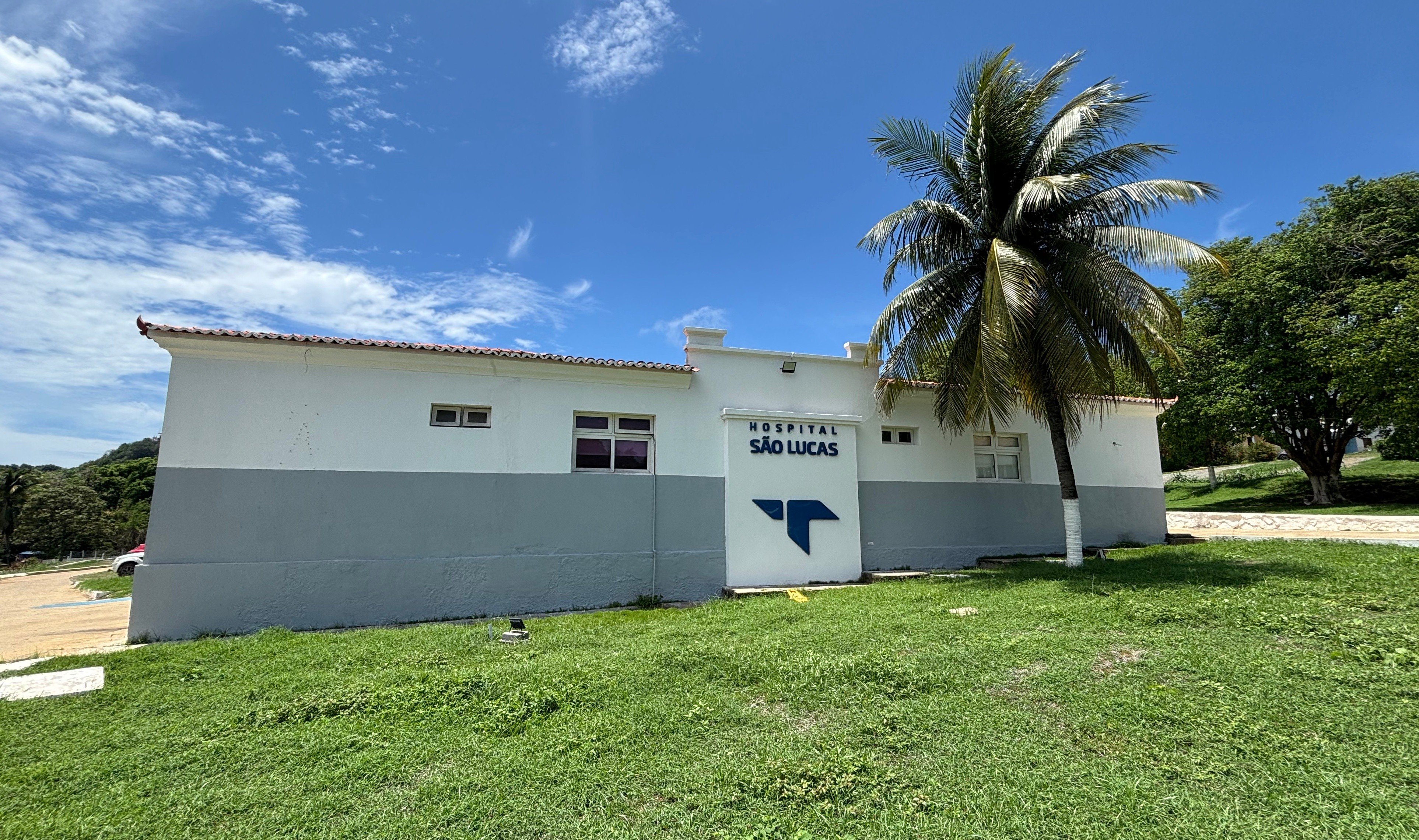
A woman delivered a baby at the São Lucas Hospital on Fernando de Noronha on Sunday, March 26th, despite a local prohibition on births occurring on the island. According to the Island Administration, the expectant mother arrived at the health unit without disclosing her pregnancy, which was already in an advanced stage of labor. This prevented her transfer to Recife, the designated mainland medical center. The mother's name has not been released. Records indicate the last births on Fernando de Noronha were in 2021 and 2018, with a significant gap of 12 years prior to the latter. The patient, a temporary resident working at a guesthouse, initially denied being pregnant but a Beta HCG test confirmed a 41-week gestation. The hospital's multidisciplinary team successfully managed the delivery, and both mother and newborn are reported to be in stable condition. The Air Tactical Group (GTA) remains on standby for potential transfer to a Recife reference unit if medically necessary. Fernando de Noronha's São Lucas Hospital is a medium-complexity facility lacking a maternity ward or ICU. Official policy requires pregnant women to leave the island by 28 weeks of gestation, with accommodation costs covered by the Island Administration until delivery on the mainland. This policy has been a point of contention, highlighted by a 2020 incident where a businesswoman was escorted to the airport by police for refusing to leave the island due to COVID-19 concerns.
The incident on Fernando de Noronha underscores the tension between localized resource limitations and fundamental healthcare access. While the island's infrastructure is not equipped for complex deliveries, necessitating a policy of mandatory mainland transfer for expectant mothers, the spontaneous birth highlights potential gaps in proactive health monitoring and communication. The administration's statement regarding the patient's initial non-disclosure and advanced labor suggests a need to review protocols for identifying and supporting temporarily resident pregnant individuals. Moving forward, balancing the logistical constraints of a remote location with the imperative of maternal and infant well-being will require ongoing dialogue and potentially innovative solutions, such as enhanced remote monitoring or community health worker engagement, to ensure timely interventions and prevent future critical situations.
AI-generated to prompt reflection — not editorial opinion, not advice, not a statement of fact. How this works.