Woman Indicted for Attempted Murder in Mercury Poisoning Case of Artisan
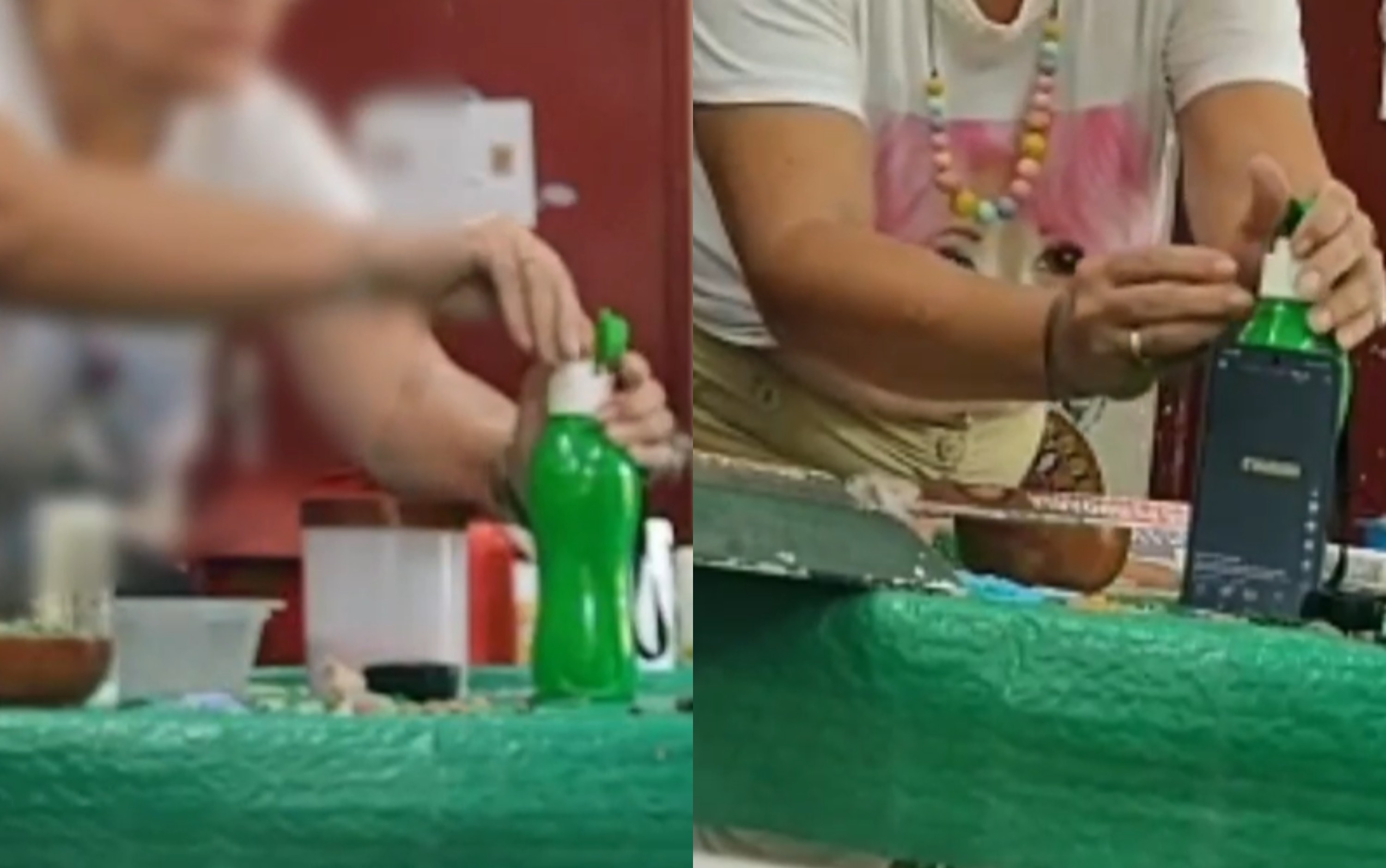
After more than a year of investigation, the Civil Police in Recife, Brazil, have indicted Maria Aparecida Rodrigues de Araújo for attempted homicide in the alleged poisoning of artisan Denny Cardoso. The police suspect Araújo administered mercury to Cardoso over several months, a crime believed to be motivated by jealousy over the victim's friendship with Araújo's boyfriend. Cardoso, an artisan who taught at the "Arte na Medicina" social project at the Oswaldo Cruz University Hospital, began experiencing symptoms of intoxication, including abdominal pain and neurological disorders, approximately six months to a year prior to the case coming to light. She became suspicious after noticing a strange taste and bubbles in her water bottle, which had been a gift from Araújo. Cardoso secretly filmed Araújo on two occasions placing a substance into her water bottle. Forensic reports later confirmed the presence of mercury in the water and in Cardoso's body, with her blood levels found to be four times above the tolerable limit. Araújo has denied the accusations, claiming she was not the person in the videos, despite clear facial recognition. The investigation, led by Delegate José Custódio, involved extensive evidence, including chemical analyses, toxicological exams, and consultations with various medical specialists to assess the neurological and other potential long-term effects of mercury poisoning. The case file has now been forwarded to the Pernambuco Public Prosecutor's Office, which will decide whether to formally charge Araújo and proceed to trial, or to archive the case. Cardoso is still seeking specialized medical treatment for mercury contamination.
This case highlights the critical role of forensic evidence and diligent investigation in substantiating serious criminal allegations. The extended duration of the inquiry, exceeding one year, underscores the complexity of chemical poisoning cases, requiring meticulous collection and analysis of scientific data alongside witness testimonies and surveillance footage. The alleged motive of jealousy points to interpersonal dynamics that can escalate to extreme actions, suggesting a need for greater awareness of conflict resolution and mental health support within social and personal spheres. From a public health perspective, the case serves as a stark reminder of the persistent dangers of toxic substances like mercury, even in contexts where their use is increasingly restricted, and emphasizes the importance of accessible specialized medical care for victims of such poisoning.
AI-generated to prompt reflection — not editorial opinion, not advice, not a statement of fact. How this works.