Woman killed by truck at Paraguay border; husband arrested
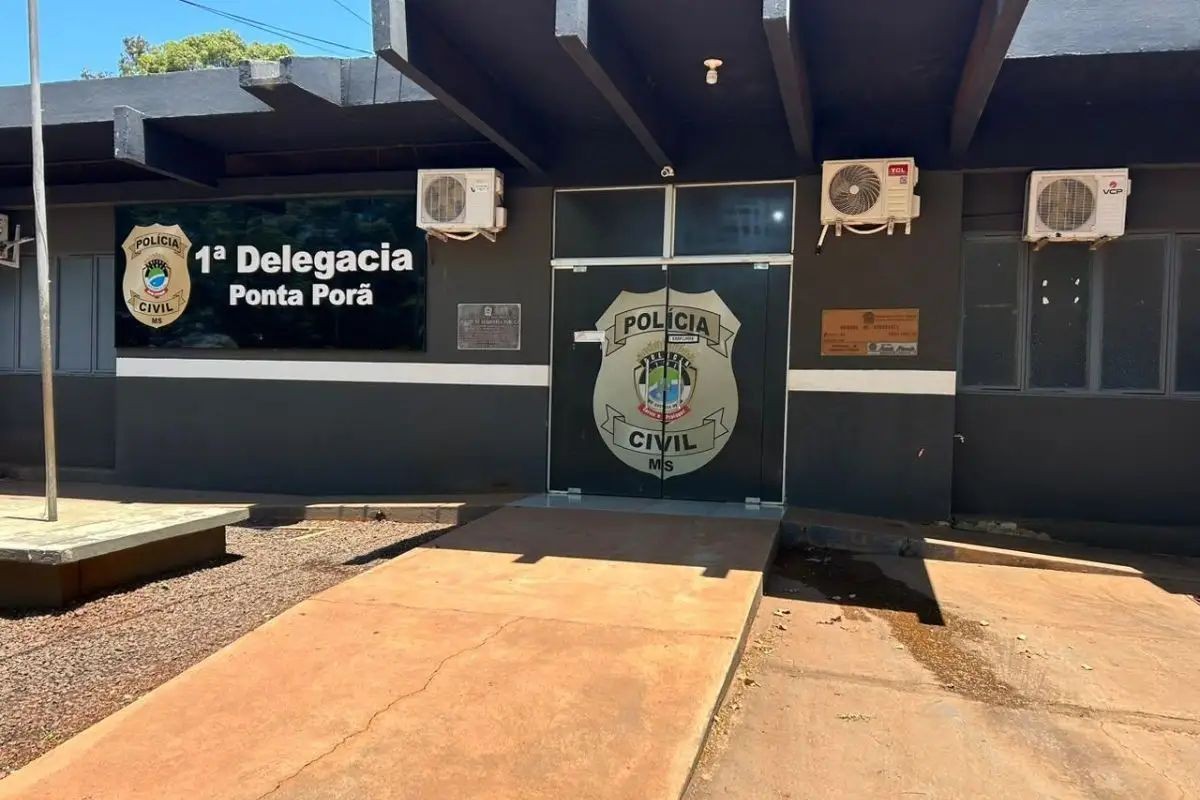
A 58-year-old woman, identified as Wandete Gois da Silva, died on Sunday night, October 2nd, after being struck by a truck on BR-463 highway in Ponta Porã, Mato Grosso do Sul, near the border with Paraguay. The primary suspect in her death is her 49-year-old husband, who has been arrested. Witnesses reported that the couple had been attending a truck driver gathering in the vicinity of Santa Puitã, and that the husband had consumed alcohol prior to the incident. Police were alerted to the accident and found the victim's body on the highway. A fragment of plastic, believed to be from a truck's fender, was discovered near the body. Investigators followed up on this clue and found the suspect's truck parked at his home, with a broken fender on the left side. Forensic analysis confirmed the fragment matched the truck. The husband later presented himself at the police station with his lawyers and was taken into custody. He refused to take a breathalyzer test. The investigation is ongoing, with the case initially registered as a vehicular homicide under the influence of alcohol. Police are still working to determine the motive, the exact sequence of events, and the husband's full criminal liability.
This incident highlights the critical intersection of personal relationships, public safety, and regulatory enforcement. The alleged consumption of alcohol by the driver, coupled with the tragic outcome, underscores the persistent challenges in preventing impaired driving, even within specific professional communities like truck drivers. The investigation's focus on motive and dynamics suggests a need for robust evidence gathering beyond immediate physical clues. Moving forward, the case may prompt discussions on community-based safety initiatives at events and the effectiveness of existing legal frameworks in addressing complex scenarios involving domestic relationships and traffic incidents. The long-term implications could involve enhanced scrutiny of alcohol consumption at such gatherings and potential adjustments to enforcement strategies to mitigate risks associated with impaired driving in all contexts.
AI-generated to prompt reflection — not editorial opinion, not advice, not a statement of fact. How this works.
