Woman Lived for Decades with Iron Lung, Embracing Life Despite Polio
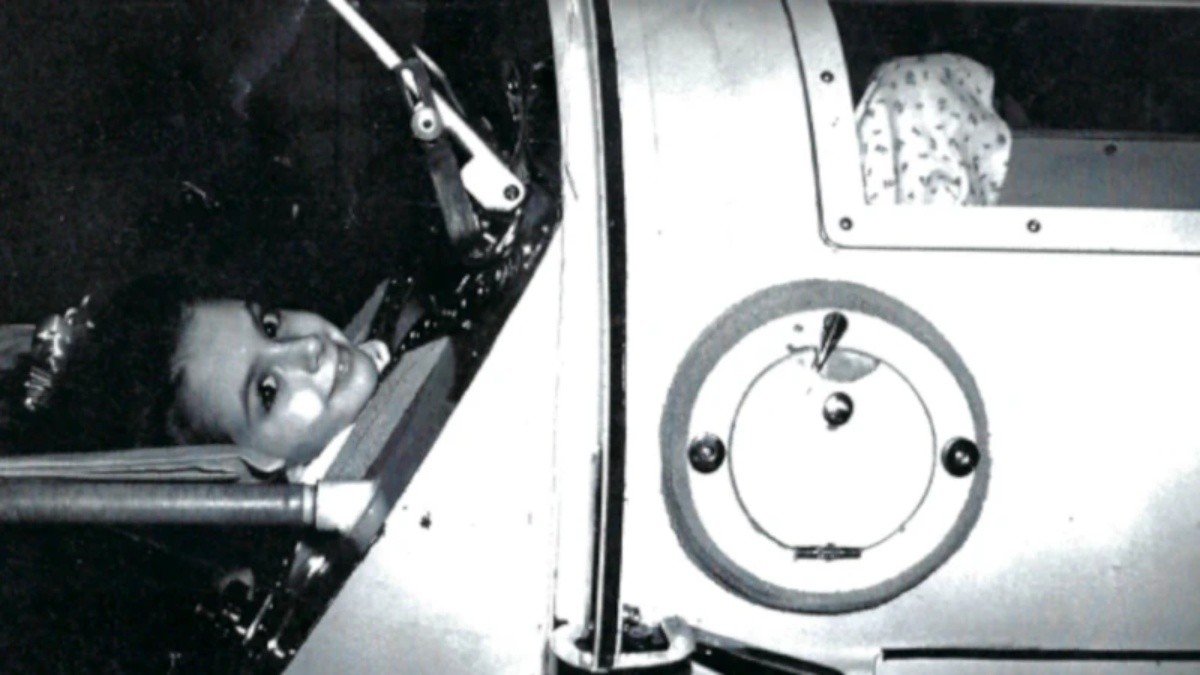
Martha Lillard, who passed away at 78 on June 26 in Oklahoma, was the last polio patient in the United States to use an iron lung. Despite spending most of her life dependent on the large metal device for up to 73 years, her family emphasized that she lived a full and independent life. Lillard learned to drive an adapted vehicle, pursued painting as an artist, and enjoyed her beagle dogs. Her younger sister, Cindy McVey, described Martha as resilient, always finding ways to overcome her limitations. Martha's determination was supported by her family, with her uncle and grandfather creating a mechanism that allowed her to operate the iron lung independently and enter and exit it on her own. She also regained partial use of her left arm and leg movement through extensive therapy following her diagnosis at age five. The iron lung, which uses negative pressure generated by a motor and bellows, forces the lungs to expand and contract, enabling breathing. Tens of thousands relied on these devices after the polio epidemic peaked in the 1950s. Lillard's death was officially attributed to post-polio syndrome and chronic lung failure, though McVey believes long COVID contributed. Polio, a devastating disease that caused paralysis and death, was declared eliminated in the U.S. in 1979 due to widespread vaccination campaigns. However, recent discussions, including suggestions from a CDC advisory committee member about making polio vaccines optional, have raised concerns among public health advocates and polio survivors' families about rising vaccine hesitancy and the potential resurgence of the disease.
This narrative highlights the profound impact of medical innovation and personal resilience in overcoming severe illness. The story contrasts the historical reliance on mechanical ventilation like the iron lung with the success of modern vaccination programs in eradicating diseases like polio. The inclusion of contemporary debates around vaccine hesitancy and the potential for disease resurgence underscores a critical public health challenge. It prompts reflection on the societal responsibility to maintain herd immunity and the long-term consequences of underestimating preventable diseases. The piece implicitly questions the trade-offs between individual choice and collective public health, particularly in light of historical evidence of polio's devastating effects.
AI-generated to prompt reflection — not editorial opinion, not advice, not a statement of fact. How this works.