Woman Loses Over R$5,000 in Scam Using Friend's Cloned Phone
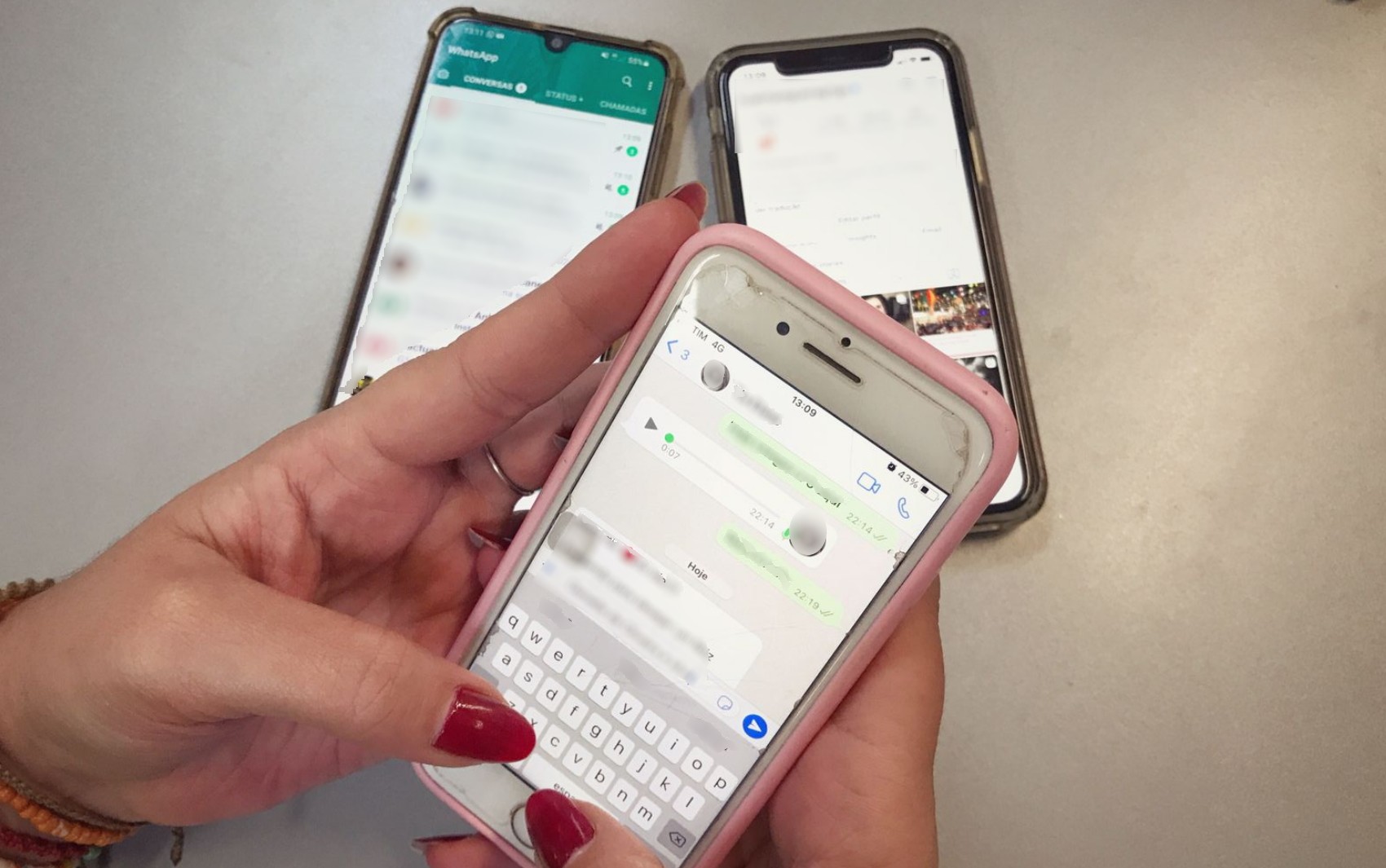
A woman in João Pinheiro, Minas Gerais, lost R$5,300 after falling victim to a sophisticated scam that utilized a cloned phone belonging to a friend. The incident occurred on Thursday, November 16th. The victim believed she was assisting her friend with an online advertisement on Mercado Livre, unaware that her friend's phone number had been compromised.
The scam began when the victim received a WhatsApp message from a number impersonating her friend, who claimed to be having trouble posting an ad on Mercado Livre. The scammer requested to use the victim's phone number to complete the process. Subsequently, the victim was contacted by a man identifying himself as 'Paulo,' a supposed Mercado Livre employee, via video call. He falsely claimed that her initial transfers were incorrect and needed to be redone.
Following these instructions, the victim transferred R$300 from her husband's account to her own, and then made three separate Pix transfers totaling R$5,300 to the scammers. The fraud was only discovered when she contacted her friend and learned that his phone number had indeed been cloned and used by criminals. The friend also reported unusual activity on his phone. The Civil Police in João Pinheiro are currently investigating the case.
This incident highlights the evolving tactics of digital fraud, where social engineering is amplified by the compromise of personal communication channels like phone numbers. The scam leverages the victim's trust in a known contact and the perceived legitimacy of an e-commerce platform. The perpetrators exploited the victim's willingness to help, creating a sense of urgency and procedural complexity to obscure the fraudulent nature of the transactions. Future prevention strategies will need to focus on multi-factor authentication for critical financial actions and enhanced user education regarding the risks of unsolicited communication, even from seemingly familiar sources. The investigation will likely examine how the phone number was cloned and the digital trail of the Pix transactions to identify the perpetrators and address systemic vulnerabilities in digital identity verification and platform security.
AI-generated to prompt reflection — not editorial opinion, not advice, not a statement of fact. How this works.