Woman Regains Electricity After 5 Years of Retaliation by Ex-Husband in SC
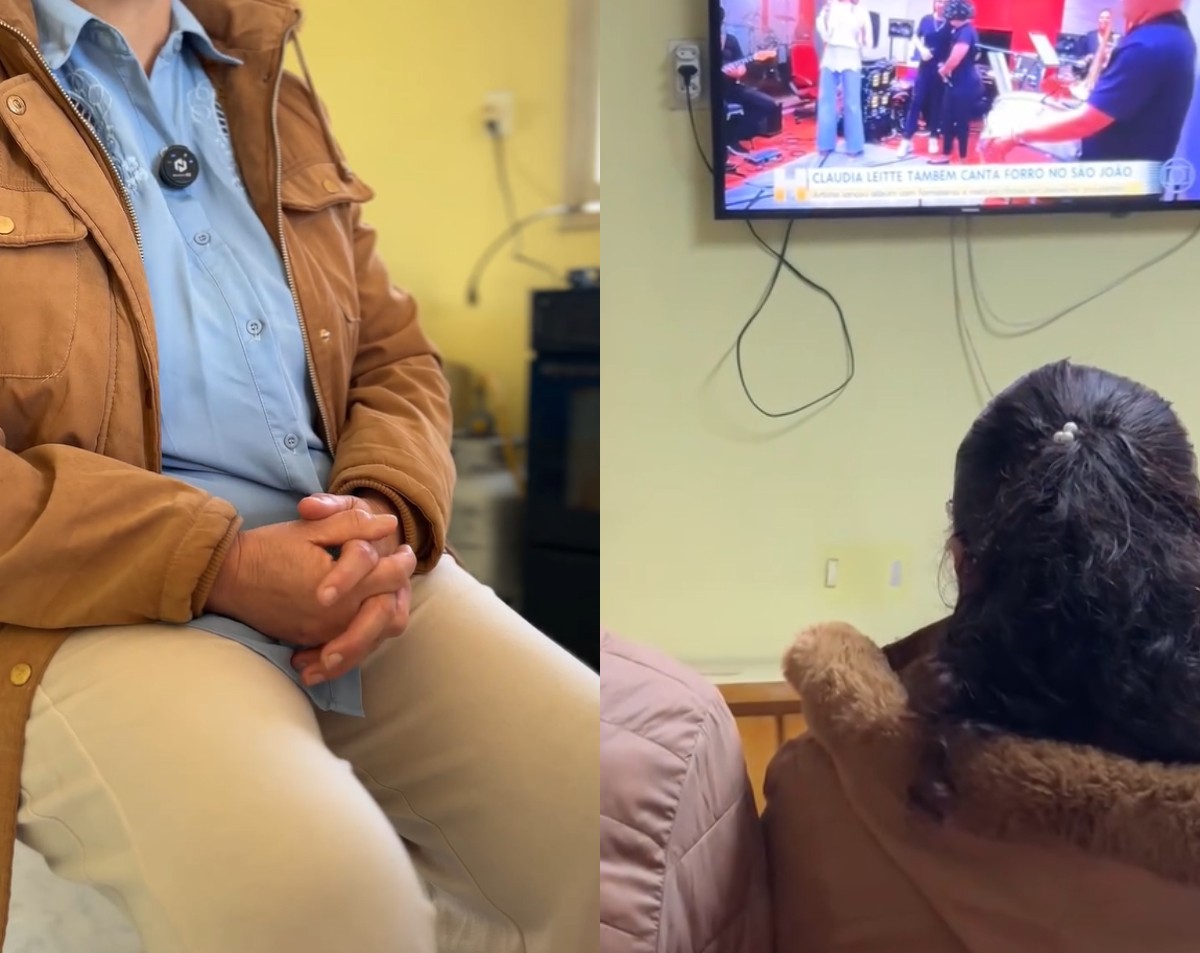
A woman and her autistic son in Criciúma, Santa Catarina, have had electricity restored to their home after living for five years without the essential service. This deprivation was a form of retaliation by her ex-husband after she obtained a protective order against him, which mandated his removal from the property. The situation began in 2021, following an incident of domestic violence, and only changed in June of the current year after a judicial decision ordered the reconnection of electricity. The Public Prosecutor's Office of Santa Catarina (MPSC) revealed the case, detailing how the man, whose name was on the electricity account, had the service disconnected. Although he died a year later, his parents allegedly continued to prevent the reconnection, aiming to force the woman to leave the home she had lived in for over 20 years. During this period, the woman relied on neighbors for assistance, using their freezers for food storage and charging her phone via an extension cord. She resorted to heating water on a stove for bathing and endured intense heat during summers with only open windows. The MPSC intervened through its Nucleus for Confronting Violence and Supporting Victims (NEAVIT), filing a lawsuit. Initially, judicial attempts to restore power were denied due to issues with property and consumer unit ownership. The situation came to light during a hearing for a criminal case against the victim's in-laws for psychological violence, where her testimony detailed the prolonged hardship. The prosecution argued that the continuous denial of electricity constituted psychological violence and an abuse of property rights. A court ruling in June ordered the immediate restoration of electricity and prohibited any further obstruction of the service, which was reconnected on June 18th. Legal actions against the in-laws for psychological violence and a claim for adverse possession by the woman to recognize her ownership of the house are ongoing.
This case highlights the severe consequences of using essential services as leverage in domestic disputes and property conflicts. The prolonged denial of electricity, extending over five years, represents a systemic failure to protect a vulnerable individual and her child from ongoing psychological abuse and deprivation, even after the primary aggressor's death. The legal system's eventual intervention underscores the importance of judicial oversight in ensuring fundamental rights are upheld, particularly when property disputes intersect with domestic violence. Future legal frameworks and enforcement mechanisms could be strengthened to prevent such prolonged suffering and ensure that protective orders are not circumvented through indirect means, safeguarding victims from retaliatory actions that impact daily life and well-being.
AI-generated to prompt reflection — not editorial opinion, not advice, not a statement of fact. How this works.