Woman Rescued After 55 Years of Domestic Work Remains in Family Home, Awaiting Transition
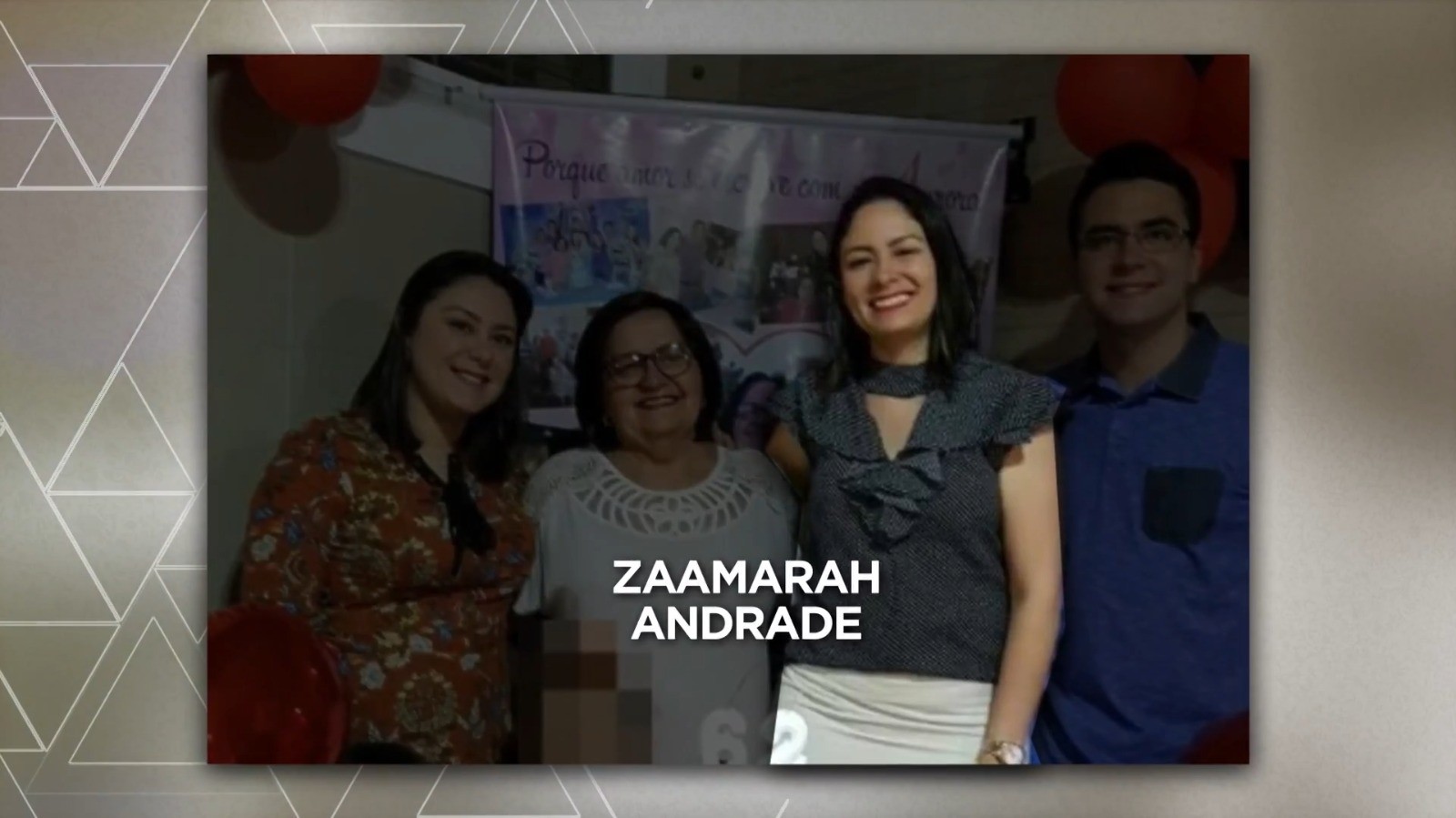
A 62-year-old woman, rescued from conditions described as analogous to slavery after approximately 50 years of domestic work for the same family, continues to reside in the luxury condominium where she was found in Eusébio, near Fortaleza, Brazil. This decision was made by the inspection and social assistance teams involved in the operation, who cited the woman's decades-long economic and emotional dependence on the family as reasons preventing her immediate departure without risk. The woman reportedly spent most of her adult life with this family, lacking formal education and financial autonomy, leading experts to believe that abrupt removal could cause further emotional distress. The primary goal now is to facilitate a gradual transition, enabling her to rebuild her life outside the environment where she worked for decades, including fostering autonomy and reconnecting with her biological family. A Term of Conduct Adjustment (TAC) has been established with the family by the Labor Public Ministry, stipulating a payment of R$50,000 in severance pay, the purchase of a R$150,000 home equipped with essential furnishings, and the settlement of her social security rights. The homeowner, Zamara Andrade, who held a commissioned position in the Fortaleza City Hall, was dismissed shortly after the operation. While the family's lawyer acknowledged the absence of formal employment contracts and FGTS contributions, they denied the existence of slavery-like conditions, arguing the woman was not subjected to exhaustive workdays and engaged in other activities like selling jewelry. However, labor inspectors maintain she dedicated decades to the family's care without legal protections and estimate her potential compensation could reach R$1.5 million. The operation's report will be forwarded to the Federal Police for potential criminal investigations.
This case highlights the complex challenges in addressing long-term labor exploitation, particularly within domestic settings where deep personal dependencies can form. The decision to allow the victim to remain in the home, while prioritizing her immediate emotional stability, underscores the need for nuanced support systems that go beyond immediate rescue. The proposed financial settlements and housing aim to provide a foundation for independence, but the success of this transition will hinge on sustained psychological and social support to address the profound effects of decades of isolation and control. Future interventions should consider robust, long-term reintegration strategies that empower individuals to build new social and economic networks, mitigating the risks of continued dependence or vulnerability. This situation also raises questions about the adequacy of existing labor laws and enforcement mechanisms in protecting vulnerable domestic workers from prolonged exploitation.
AI-generated to prompt reflection — not editorial opinion, not advice, not a statement of fact. How this works.