Woman Rescued After 55 Years of Forced Labor; Employers Suspected of Welfare Fraud
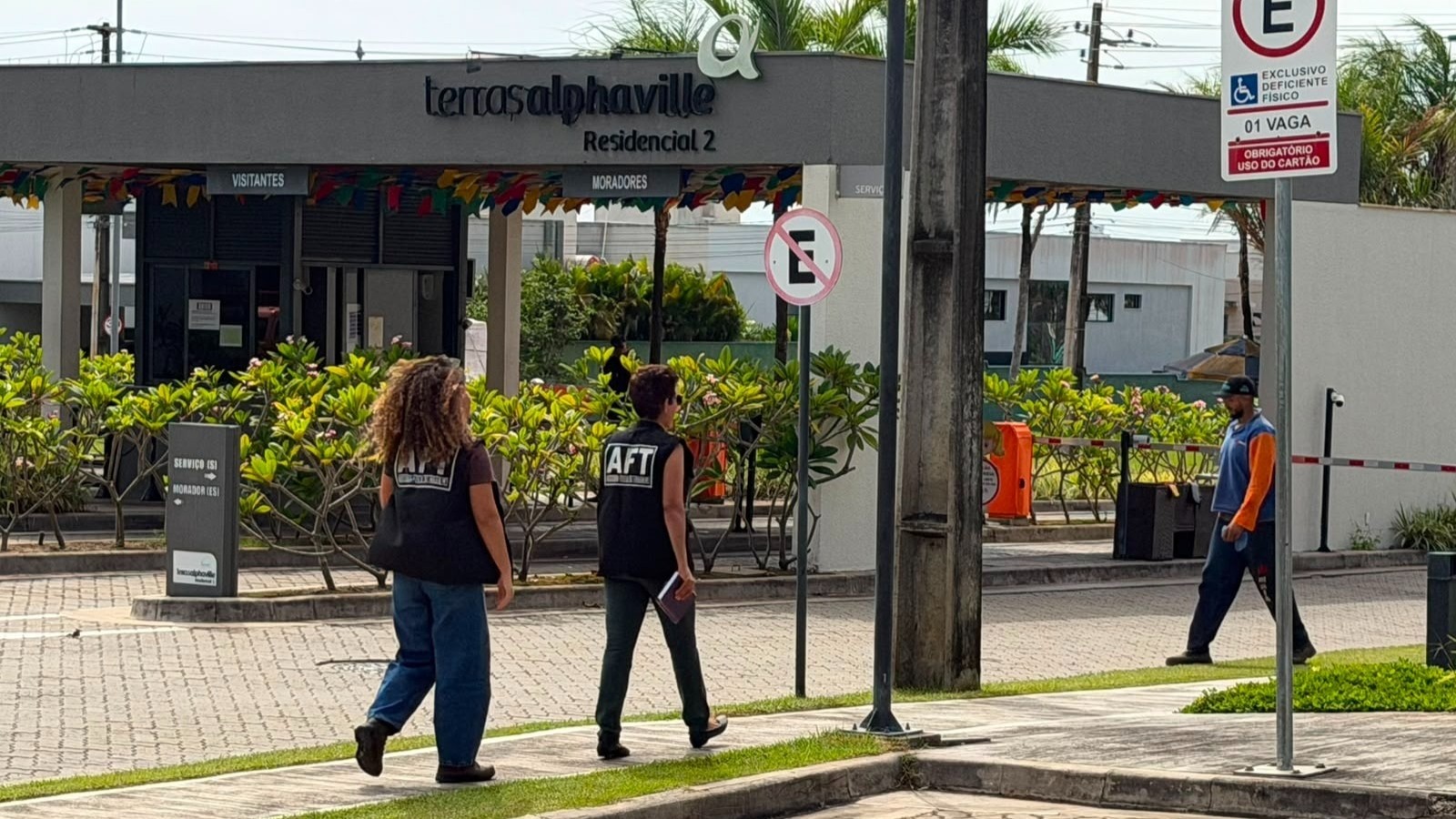
A 62-year-old woman has been rescued from conditions analogous to slavery in a luxury condominium in Eusébio, near Fortaleza, Brazil, after working for 55 years without pay. The victim, who is illiterate and had no bank account, was registered for the Bolsa Família welfare program, receiving R$ 600 monthly. Labor inspectors suspect her employers defrauded the state by registering her as a single, unemployed individual to obtain the benefit, which the employers then collected. This case came to light through an anonymous tip to the federal human rights hotline. Following the rescue, the Bolsa Família benefit was canceled, and a report will be sent to authorities regarding the potential fraud. The employers signed an agreement with the Public Ministry of Labor, committing to regularize social security contributions, pay R$ 50,000 in severance, and purchase a home for the victim. The victim, who has developed a bond with her exploiters, is currently staying with them under psychosocial support as she awaits contact with her biological family and begins an educational program. The labor audit estimates unpaid labor credits exceeding R$ 1.5 million, including wages, vacation pay, and other benefits. The agreement mandates the purchase of a property valued at a minimum of R$ 150,000, furnished and equipped, and continued social security contributions until her retirement. The victim's employment history traces back to her childhood, having been brought to the family's home by her mother, who had previously worked for them.
This case highlights systemic vulnerabilities within labor law enforcement and social welfare programs. The alleged fraud involving the Bolsa Família program suggests a potential loophole where beneficiaries can be manipulated by employers for financial gain, underscoring the need for more robust verification processes. The prolonged period of forced labor, spanning over five decades, points to significant failures in oversight and reporting mechanisms, particularly in domestic work, which often operates in private settings. The complex psychosocial situation of the victim, who has formed a bond with her exploiters, necessitates a carefully managed reintegration process that prioritizes her autonomy and well-being, rather than immediate separation. Future policy considerations might include enhanced digital identity verification for welfare recipients and more proactive, unannounced inspections in private residences to prevent such egregious human rights violations.
AI-generated to prompt reflection — not editorial opinion, not advice, not a statement of fact. How this works.