Woman Rescued After 55 Years of Labor for One Family Across Three Generations
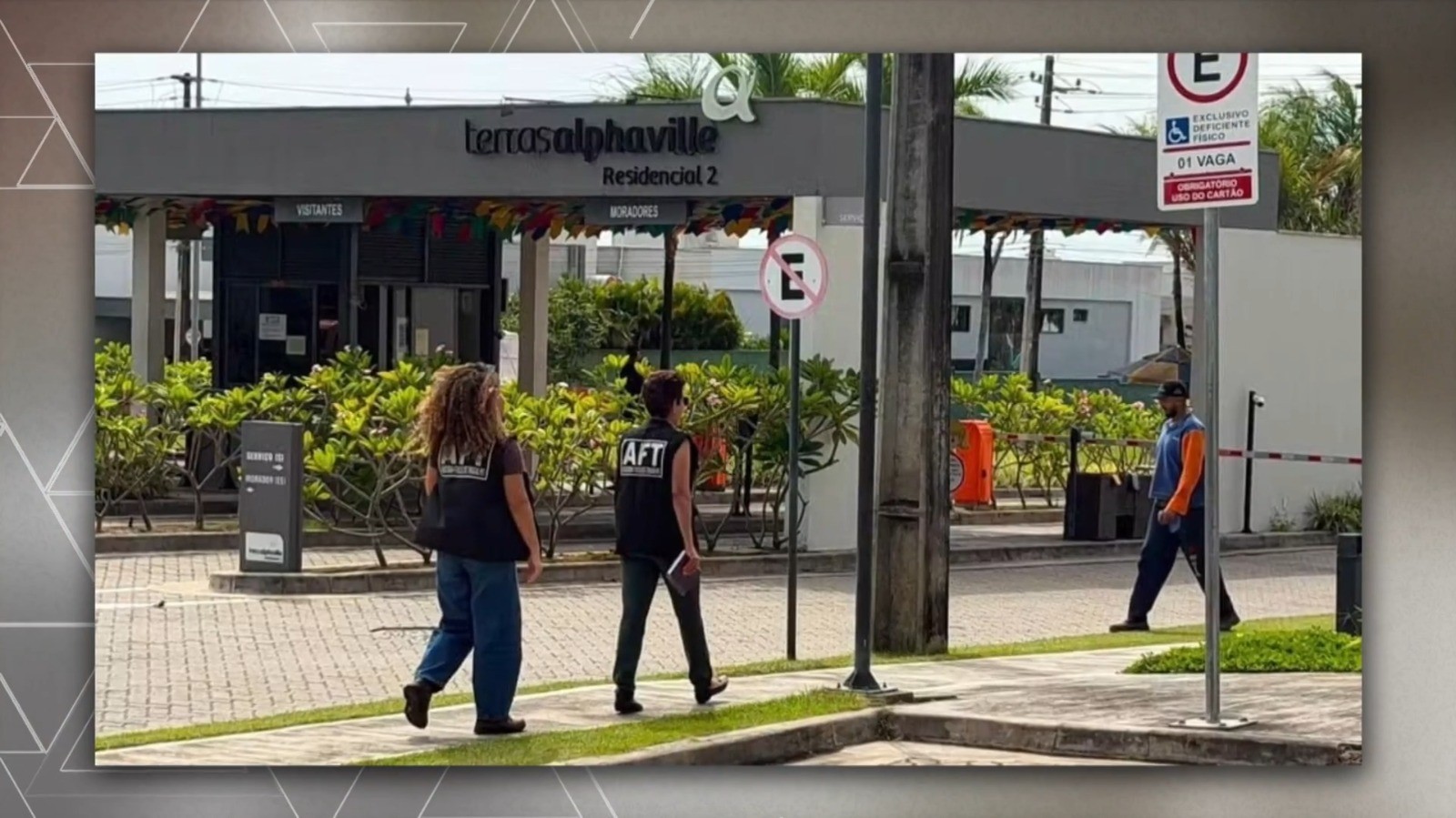
A 62-year-old woman, who worked as a domestic employee for the same family for 55 years, has been rescued from a luxury condominium in Eusébio, near Fortaleza, Brazil. The situation came to light following an anonymous tip to the national human rights hotline. Labor inspectors and officials from the Ceará Human Rights Secretariat conducted the rescue operation in late June. An anthropologist noted that the worker's life spanned at least three generations of the family, with 50 years of her life committed to this service before state protection was initiated. Neighbors reportedly had no idea about the conditions inside the home.
The worker began her service in the late 1960s, initially assisting the family's matriarch until she was 14. After a period in Piauí, she returned in 1971 with her mother and sister, starting domestic work at age seven. By 1982, following her mother's death, she worked for Aurora Alencar and Paulo Brasil, the first couple's daughter and son-in-law. In 2014, she began working for Zaamarah Andrade, the couple's granddaughter, continuing her service into the third generation of the family. Labor officials described the arrangement as having a patrimonial sense, with the worker being passed down like an inheritance. Psychologists suggest that the provision of food and housing in such relationships is often used to justify labor exploitation without social protection.
Despite the rescue, the woman remains in the residence due to economic and emotional dependency, with officials deeming an immediate departure potentially more damaging. A gradual process to build her autonomy and reconnect with her biological family is underway. The Ministry of Labor and Public Prosecution reached an agreement with the family, including R$50,000 in severance pay, the purchase of a R$150,000 home with furnishings, and the collection of social security contributions. The family's lawyer denied conditions analogous to slavery, though acknowledging the lack of formal employment contracts. The case report will be sent to the Federal Police, and the worker could be entitled to approximately R$1.5 million in compensation.
This case highlights the persistent issue of labor exploitation, particularly within domestic service, where generational dependency and a lack of formal contracts can obscure exploitative conditions. The narrative of the worker being 'passed down' like an inheritance points to a systemic failure in recognizing individual labor rights and a perpetuation of historical power imbalances. The family's denial of slavery-like conditions, while acknowledging the absence of formal employment, underscores the complex legal and social definitions of exploitation. Moving forward, robust enforcement mechanisms and educational initiatives are crucial to prevent such prolonged vulnerabilities, ensuring that economic interdependence does not equate to a forfeiture of fundamental human and labor rights. The long-term integration and support for the rescued individual are paramount to address the profound psychological and social impacts of decades of servitude.
AI-generated to prompt reflection — not editorial opinion, not advice, not a statement of fact. How this works.