Woman Rescued After 55 Years of Unpaid Domestic Labor in Brazil, Highlighting Racism
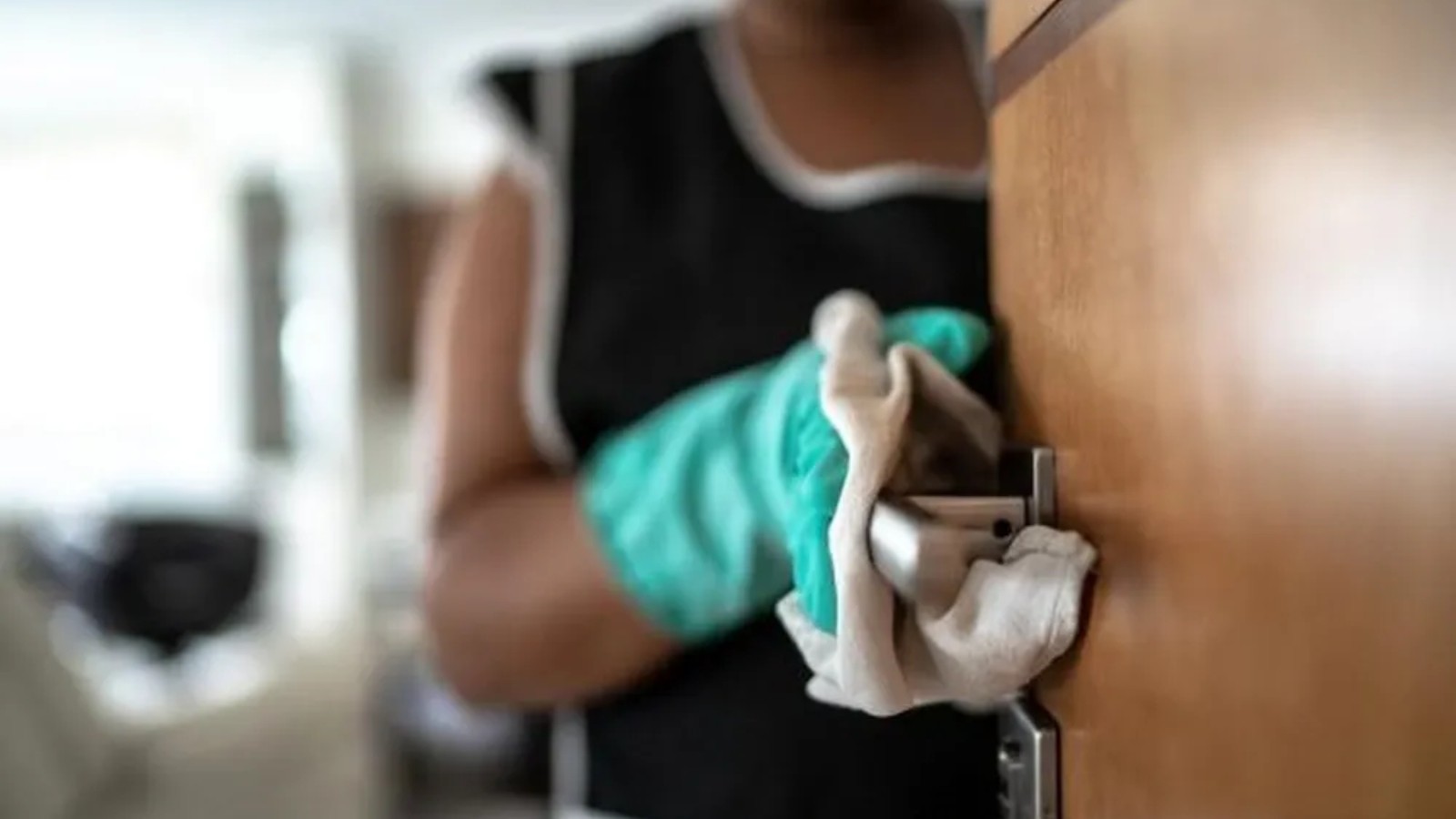
A 62-year-old Black, illiterate woman was rescued in June from a luxury condominium in Eusébio, Ceará, Brazil, where she had been living and working in conditions analogous to slavery for 55 years without pay. She began working for the same family at age seven, performing domestic chores, cooking, and childcare, while also being denied a personal life, education, and relationships. Experts highlight this case as a stark illustration of the enduring connection between domestic work and racism in Brazil, rooted in the country's history of slavery.
Historians and anthropologists explain that the post-abolition era in Brazil failed to integrate formerly enslaved people, pushing them into precarious labor, with domestic work becoming a persistent area of exploitation, particularly for Black women. The familial terms used by the employers, such as "little Black mother" or "little Black grandmother," masked the severe exploitation, perpetuating a historical pattern where Black women were relegated to roles like wet nurses and maids. This exploitation is further obscured by the myth of racial democracy, which falsely suggests harmony within domestic settings.
This systemic issue, described as structural violence, is not isolated, with another similar case reported in Crato, Ceará, in 2025. The victim's autonomy was severely compromised; she lacked a bank account, financial literacy, and contact with her family, her life controlled by her employers. Experts emphasize that the colonial legacy has transformed into modern forms of control, with the "maid's quarters" replacing the "senzala" (slave quarters) and affection used as a tool to manage inequality. The rescued woman is now receiving specialized support to rebuild her life, learn essential skills, and reconnect with her family, while her employers have agreed to a Term of Conduct Adjustment, including back pay and social security contributions.
This case powerfully illustrates the persistent legacy of slavery in Brazil, manifesting as structural racism within the domestic labor sector. The prolonged exploitation, disguised by familial language and the myth of racial democracy, reveals how historical power imbalances continue to shape contemporary social and economic inequalities. The incident underscores the critical need for robust legal frameworks and societal awareness to dismantle deeply entrenched discriminatory practices. As AI and automation reshape labor markets, it is crucial to ensure that vulnerable populations, particularly those historically marginalized, are not further disadvantaged and that the evolution of work upholds fundamental human rights and dignity.
AI-generated to prompt reflection — not editorial opinion, not advice, not a statement of fact. How this works.