Woman Rescued After 55 Years of Unpaid Labor in Luxury Home
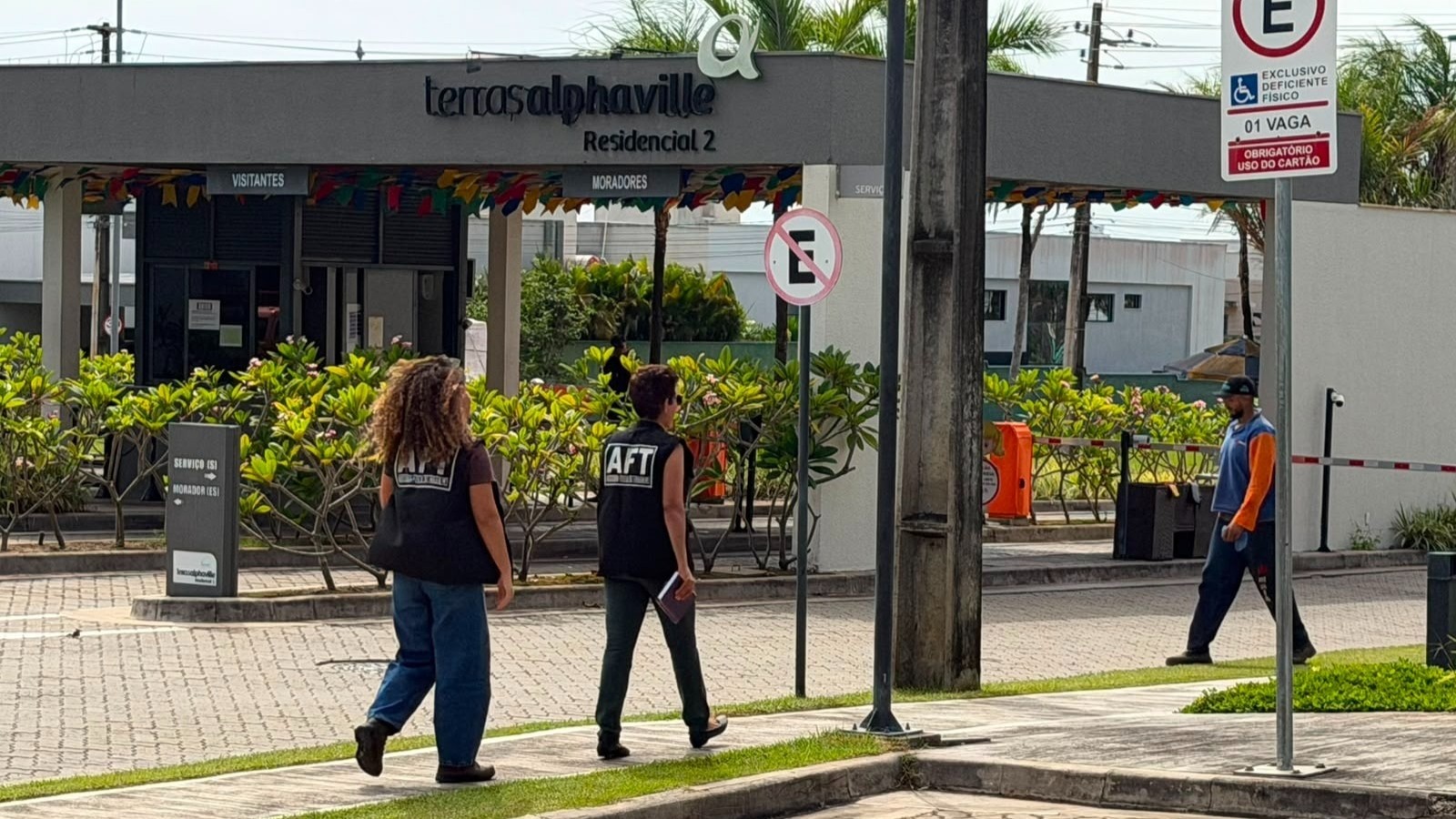
A 62-year-old woman has been rescued from conditions analogous to slavery in a luxury condominium in Eusébio, near Fortaleza, Brazil. She had worked for the same family for 55 years, starting at age seven in 1971, without receiving any salary. The woman was responsible for caring for the great-grandchildren of her first employer, having served three generations of the same family. Her mother had also worked for the family until she was 14, after which the matriarch brought her and two daughters, including the victim, back to work for them. The victim stated she performed child-like chores, washing clothes and cleaning the house. She remained with the family through various moves and life events, including caring for the children of the matriarch's daughter and later the great-grandchildren. Her current employer, the matriarch's great-granddaughter, signed a Conduct Adjustment Agreement (TAC) with the Public Prosecutor's Office of Labor (MPT). This agreement includes regularizing social security contributions, paying R$50,000 in severance pay, and purchasing a R$150,000 property with furnishings for the worker. The worker's daily routine began at 4:30 AM, involving preparing meals and caring for children. Despite hypertension and episodes of malaise, she continued her duties. Investigations revealed a lack of remuneration, economic dependence, and deprivation of educational opportunities, constituting a grave violation of human dignity. The family allegedly manipulated her Bolsa Família benefit, claiming she was unemployed and lived alone. Labor auditors estimate unpaid labor claims, including back wages, vacation, 13th salaries, FGTS, and overtime, could exceed R$1.5 million.
This case highlights systemic failures in labor law enforcement and social protection mechanisms that allow for prolonged exploitation, particularly within domestic work. The prolonged period of unpaid labor and the alleged manipulation of social benefits suggest a profound lack of oversight and accountability for employers. Future interventions should focus on strengthening preventative measures, including mandatory registration and regular inspections of domestic employment, alongside robust educational campaigns for both employers and workers regarding their rights and obligations. The long-term integration and support for survivors of such exploitation are critical, requiring comprehensive psychosocial and financial assistance to ensure genuine autonomy and prevent recidivism of abusive practices.
AI-generated to prompt reflection — not editorial opinion, not advice, not a statement of fact. How this works.